
Extraordinary leadership by companies on issues the American people prioritize is something we love to see. Yes, we know there is a strong business case for this, as our investment indices evidence. But sometimes they’re just great to highlight out of pure gratification.
Domino’s Pizza’s decision to lower prices back down to pre-pandemic levels – their “MOREflation” deals – in order to support customers struggling with the cost of living is a prime example. Heineken USA’s reverse mentorship programs, that allow employees of all levels to engage with senior leaders, is a great example of workforce development leadership. On the environmental side, Subaru USA, which has committed to being a 100% zero-waste company, recently celebrated 10 years of partnership with the National Parks Conservation Association to remove waste from national parks and divert it from landfills.
Paid leave is another important area we’ve spotlighted recently. Fully 86% of Americans say it is important for big corporations to invest in expanded childcare benefits, yet only around 16% of private sector workers have access to paid family leave. As we saw recently in measures passed in Nebraska, Missouri, and Alaska – all red states, it’s worth noting – paid leave is something that Americans across the political spectrum support.
Thanks to our rankings, leaders on this issue are not hard to identify. Stand-outs include HPE’s 26 weeks of paid leave for both primary and secondary caregivers, and their parental transition program (where new parents can work part time up to 36 months); Etsy’s 12 weeks of paid family leave for employees to care for a relative or assist loved ones; Intel’s extensive medical leave policy, which provides 52 weeks fully paid; and AMD’s 20 days of sick and family time off for full-time US employees.
Just business leadership is all around us. You simply have to know where to look.
Be well,
Martin
“At Intel, we value innovation and recognize that innovation comes from sharing different points of view. As such, our greatest resource is our people. Supporting them through the moments that matter is core to our values. Our primary goal is to create a safe, respectful work environment for all employees, enhanced through company culture and organizational policies, including benefits. We believe that these programs help our employees achieve their personal best, driving business values and increasing retention.”
Former Best Buy CEO (and Just advisor) Hubert Joly sat down with Dan Hesse (former Sprint CEO and current Just board member) to discuss the importance of purpose when it comes to achieving business success, saying: “I believe purpose and profit are not opposed. Pursuing a higher purpose and taking care of all of your stakeholders is a great way to create shareholder value but you have to treat it as an outcome rather than the goal.”
S&P Dow Jones Indices has partnered with Just Capital to develop new benchmarks for the U.S. corporate bond market: the iBoxx Just Capital USD Investment Grade Benchmark and the iBoxx Just Capital USD High Yield Benchmark, featuring companies in the top 50% of our rankings. Check out S&Ps blog post about the Indices.
According to The Economist, oil tycoons are betting big on A.I., saying it will improve efficiency and cut down on greenhouse gas emissions. But that could be a smokescreen for an incredible windfall in the near-term in supplying the power to A.I data farms.
Fortune reveals its inaugural ranking of the 100 Most Powerful People in Business. Elon Musk took the number one spot. Explore the full list here.
Entrepreneur reports that Nissan’s CEO has cut his salary in half while the company lays off 9,000 workers due to poor sales last quarter.
The Hill ranks the best and worst cities for renters making minimum wage.
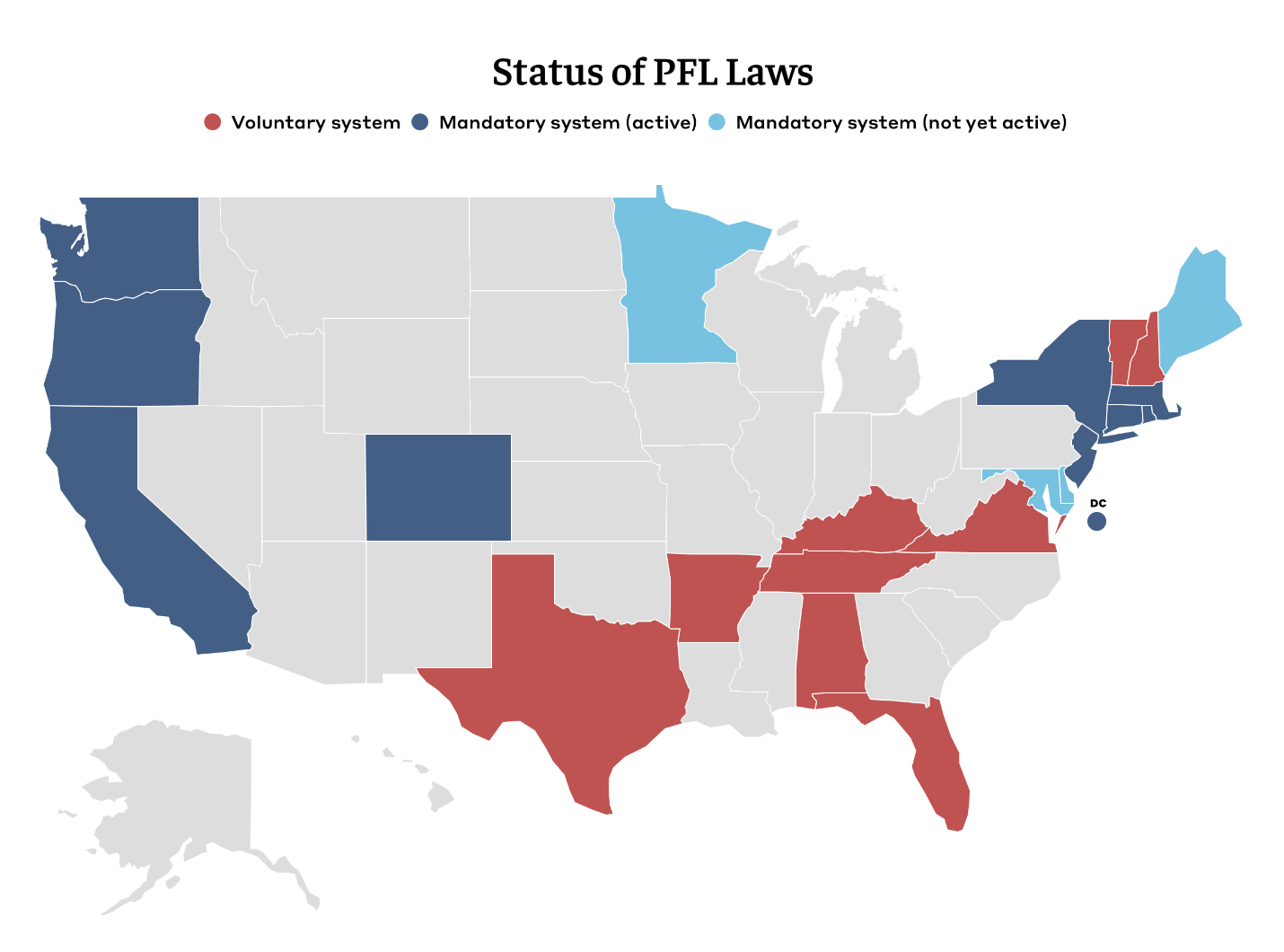
This chart comes from the Bipartisan Policy Center, and shows, as of early this year, which states have mandatory paid family leave, voluntary, or none at all. You can explore the data here.
Americans want paid leave. Just Capital data shows a clear and unmet demand for paid leave and parental support – 86% of Americans agree that it is important for companies to invest in expanded child care benefits, while just 44% agreed that companies are doing well on this issue. Polling shows these policies are a priority for the American public, and this election season, we saw paid leave measures advance in Nebraska, Missouri, and Alaska on the ballot. By implementing comprehensive paid leave programs, corporate leaders not only meet this expectation and support the well-being of their workers, but also deliver measurable returns through improved talent retention, enhanced productivity, and strengthened brand value.
This report makes the business case for maintaining and/or expanding paid leave policies, including:
Click on the image below to read or download the full report.


Although the dust is still settling from this week’s historic election, two things are becoming apparent.
The first is that of all the factors that drove President Trump and the Republican party to such a decisive victory, the prioritization by Americans all around the country of their basic economic well-being was of overriding importance.
Our own survey work, reported here two weeks ago, hinted at this. Edison Research provides direct verification: voters who identified the economy as their primary concern chose Trump over Harris by 79% to 20%; 45% of voters said their family’s financial situation was worse today than four years ago, compared to 20% in 2020; and of these, 80% favored Trump.
The second is that if Americans’ faith in capitalism is to be restored, and a new “Golden Age of America” truly enters, the business community must play a larger role.
Not out of a sense of morality or political predilection. And not because of tightening regulatory or political risk – Republican control of the Senate and potentially the House makes this unlikely. But out of pure self-interest. Because the fact is that what we find most Americans want – investment in workers, good jobs, customer protections, stronger communities, a clean and safe environment, and pathways to prosperity that all people can access – serves as a template for business leadership that generates higher returns for shareholders, greater long-term value for companies, and enduring benefits for society overall.
This, in short, is the stakeholder capitalism model. Providing the incentives, the data, and the expertise to help companies along that path is what we do at Just. In the next few years it will be a – perhaps the – defining issue for the country. If you are interested to work with us, or learn more about what we do, please reach out.
Be well,
Martin
Rather than just one point of view, we’re sharing how business leaders have reacted to Trump’s victory and what it means for corporate America going forward as reported by CNBC and Business Insider.
Fortune reveals that, on average, employees feel that 60% of CEOs are “digitally illiterate”, especially when it comes to AI in the workplace.
Amazon CEO Andy Jassy had to reassure investors that the company’s AI push will pay off after expenditures increased by 81% in the third quarter.
The New York Times’ Wednesday edition of Dealbook breaks down what a Trump presidency may mean for business. Two toplines: businesses will likely face fewer regulatory pressures, and CEOs will likely be far more cautious when it comes to “speaking up” on social issues.
Reuters looks at how the stock market is reacting to the announcement, and what industries are seeing major boosts.
There was plenty more on the ballot across the nation besides the presidential race. NPR highlights which states chose to increase minimum wages or paid leave, and those whose voters rejected those measures. Related, WBUR reveals why Massachusetts voted against giving tipped workers a wage increase.
Just before the election, Boeing workers officially ended their strike, accepting a 38% pay increase.
Bloomberg analyzes a report by Bank of America examining the state of childcare in America. The good news? In some major cities, the average price is going down partially thanks to local investment, partially (unfortunately) from families seeking cheaper, lower-quality care.
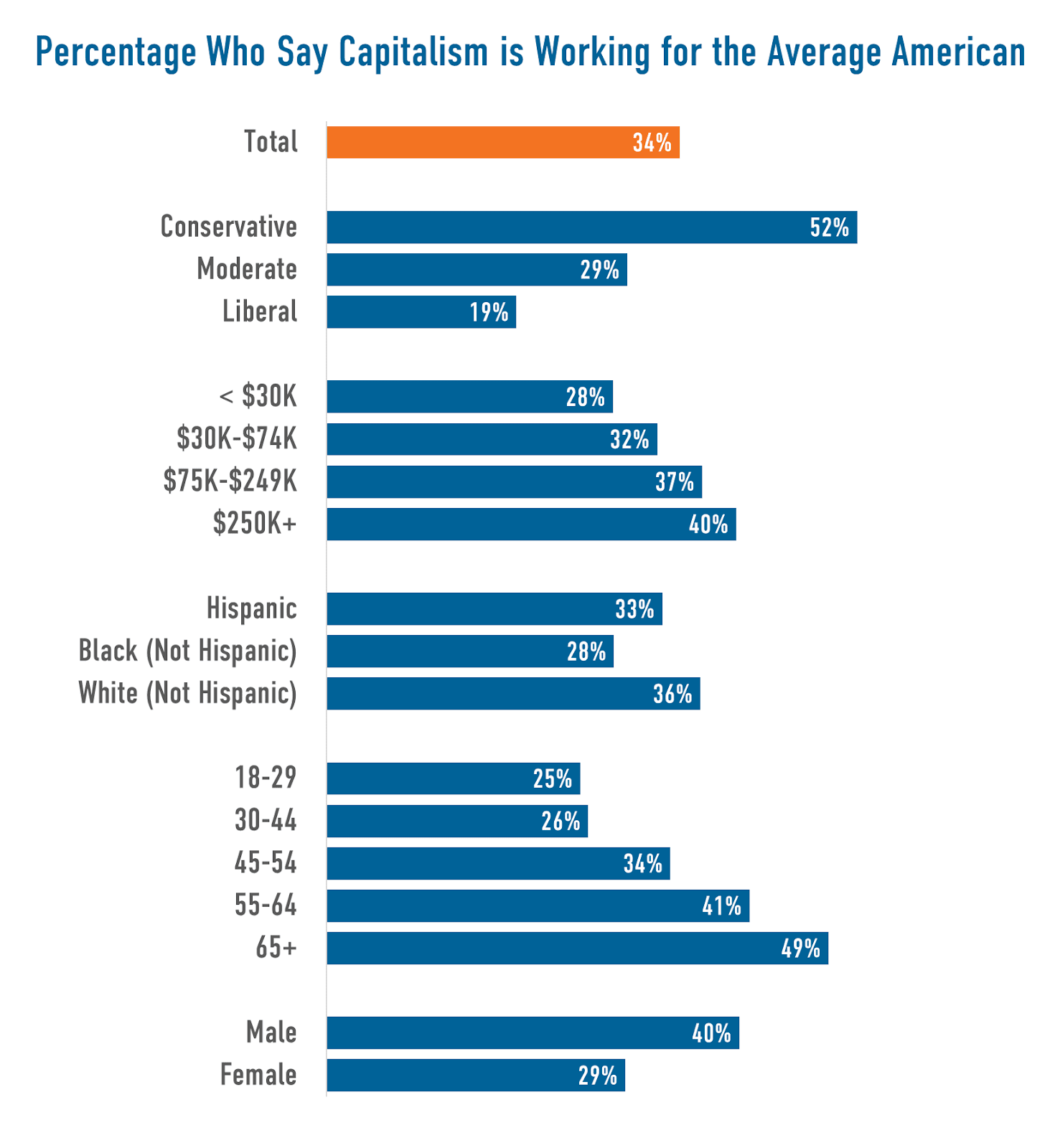
In the wake of the election and constant concerns about the economy, we wanted to re-up this chart from our 2024 Americans’ Views on Business report, which shows that across demographics, a majority of Americans do not feel that capitalism is working for them. Explore more of the insights here.

One of the greatest challenges facing the next president, regardless of who it is, will be getting the country’s finances under control. Federal debt has spiraled over the last 8 years and now sits north of $28 trillion (99% of GDP). The 2024 budget deficit alone will be nearly $2 trillion. Interest payments already exceed defense spending and will soon surpass Medicare. If we continue on this path, the CBO predicts total debt will equal 122% of GDP by 2035.
What has this got to do with building a more just economy? Everything.
First, it feels inevitable that if and when efforts to cut government spending target discretionary transfer payments – social security benefits, support for veterans, government assistance for training and education, food assistance, children’s health programs, and such – the onus is going to be on the private sector to step up and do more, particularly for their lowest paid workers and the hardest hit communities.
Second, there’s the issue of growth. The best way to increase the Treasury’s revenue base is to spur companies to invest more in creating value for all their stakeholders, particularly their workforce. A decade of Just’s work, including our most recent Americans’ Views on Business Survey, shows this is not only what the American people want, it’s the best path to improving productivity, driving innovation, and generating superior returns for shareholders.
Finally, there is the small matter of confidence in the future. Belief in the full faith and credit of the United States government, and the health of the economic system underpinning it, is what holds everything together. History teaches us what happens when that unravels – from the third century Roman Empire to imperial Spain to pre-revolution France. It must not be taken for granted.
Just Capital’s work is critical on many levels. Safeguarding the health and wealth of future generations is at its core.
Be well, and be sure to vote!
Martin

“I think ahead of any crisis, and we’ve seen, and I’ve encouraged companies to do this, and leaders, we need to develop a framework for deciding how and when to engage. At the highest level, how does it fit with your purpose as a company? How does it fit with your values? And how does it impact your stakeholders? ”
Forbes elevates Alison Omens’ insights from Future Forward’s recent Win-Win Report in a piece about why nearly half of employees are fearful to apply for disability accommodations.
Fast Company asks business leaders, including Martin, if A.I. has a role in defining a company’s purposes, of discovering a part of “a company’s soul”? We’ll let you decide.
CNBC reports that companies are testing Microsoft’s copilot A.I., but many are stopping short of full deployment. Read why.
The American Opportunity Index was released this week, revealing the companies that are leading in creating career advancement opportunities for their employees.
The Gamer reports that despite mass layoffs (particularly on the Xbox side of the house) and recent cybersecurity issues, Microsoft CEO Satya Nadella’s will see a pay increase of nearly $30 million.
JPMorgan Chase is suing customers for exploiting a glitch earlier this year that allowed them to draw out far more money than they actually had in their bank accounts. CNBC has the story.
The Wall Street Journal reports that despite cooling inflation, most Americans are still seething over prices and looking for relief.
A new survey from Bloomberg reveals that companies may be dropping DEI language, but not the actual programs.
Chart of the Week
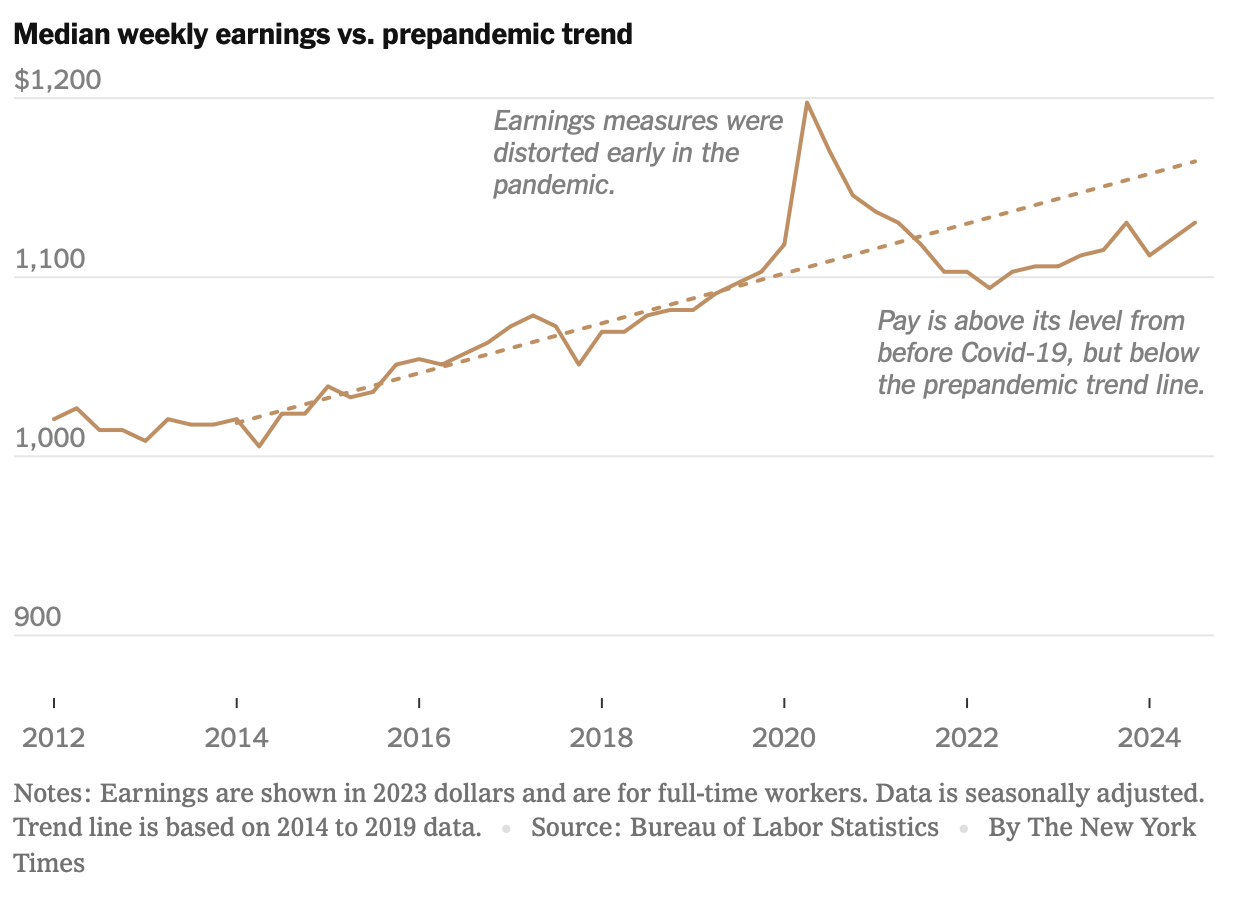
This chart comes from a New York Times story diving deep into how American’s wages have recovered (or not) across income brackets as we approach the election. Above, you can see the median weekly earnings in the U.S. compared to the pre-pandemic trendline.
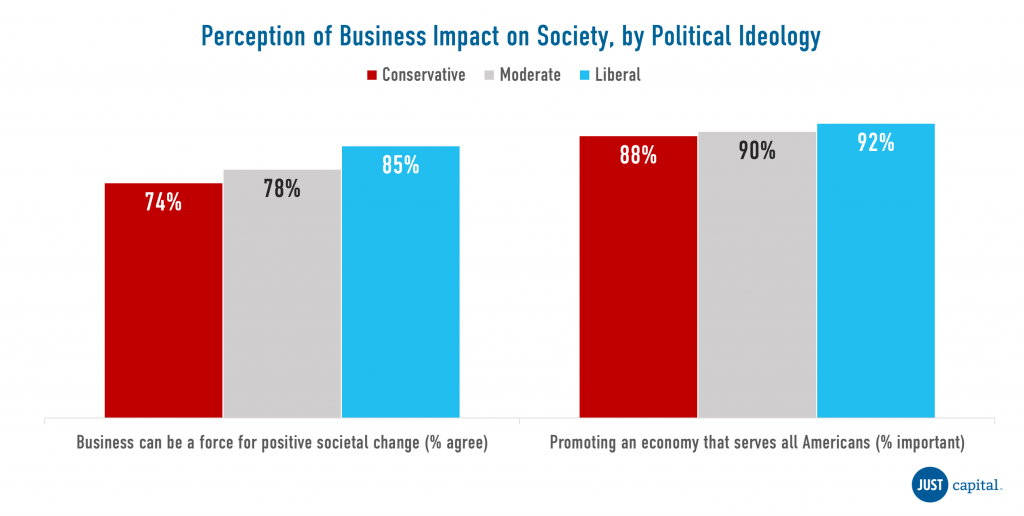
With 11 days to go until the election, Just Capital’s 2024 Americans’ Views on Business Survey, released this week, carries extra significance. Our longest running survey, it has captured how Americans – on a fully representative basis – feel about capitalism, business and society since 2015. Are we as divided on our views about the role of corporations in society as we are about politics? Which issues generate the greatest levels of public support and/or disagreement? How has that changed over the years? And how might CEOs, boards, and senior executives navigate today’s turbulent world?
What emerges from this year’s survey is surprising agreement on many issues and a clear direction for corporate leaders. Here are some highlights:
I urge you to check it out and of course, your feedback is always welcome.
Be well,
Martin
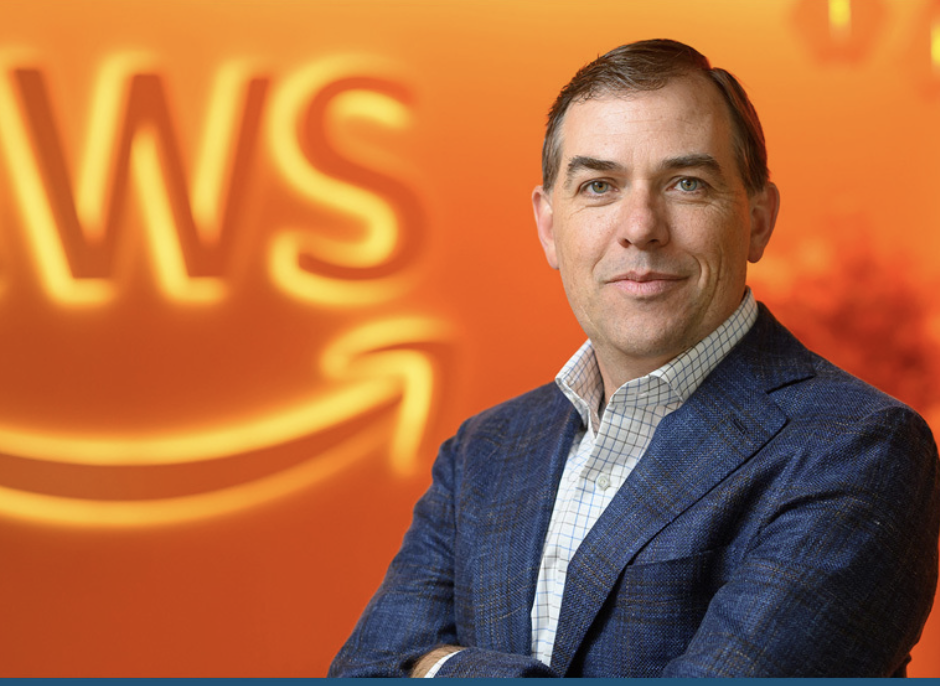
(AWS)
“If there are people who just don’t work well in that environment and don’t want to, that’s okay, there are other companies around. When we want to really, really innovate on interesting products, I have not seen an ability for us to do that when we’re not in-person.”
In the wake of the longshoreman strike, Kevin O’Leary, famed businessman, investor, and TV personality, explains his take on why he thinks automation could actually increase wages for workers at ports.
The Wall Street Journal takes a hard look at the ongoing crises at Boeing and Intel. Their assessment: because these companies are so intrinsically tied to American business and safety, it is a national emergency to ensure they’re fixed, stating, “The U.S. still designs the world’s most innovative products, but is losing the knack for making them.”
Meanwhile, while it doesn’t solve the company’s problems, Forbes explains why Boeing’s 35% wage hike is a game changer.
The Associated Press reports that Google and Amazon are each making massive nuclear investments in an attempt to power their data centers with clean energy.
PepsiCo will be adding more chips into the bags in many of their snack foods to win back customers who’ve abandoned their brands thanks to higher prices and smaller portions. CNN has the story.
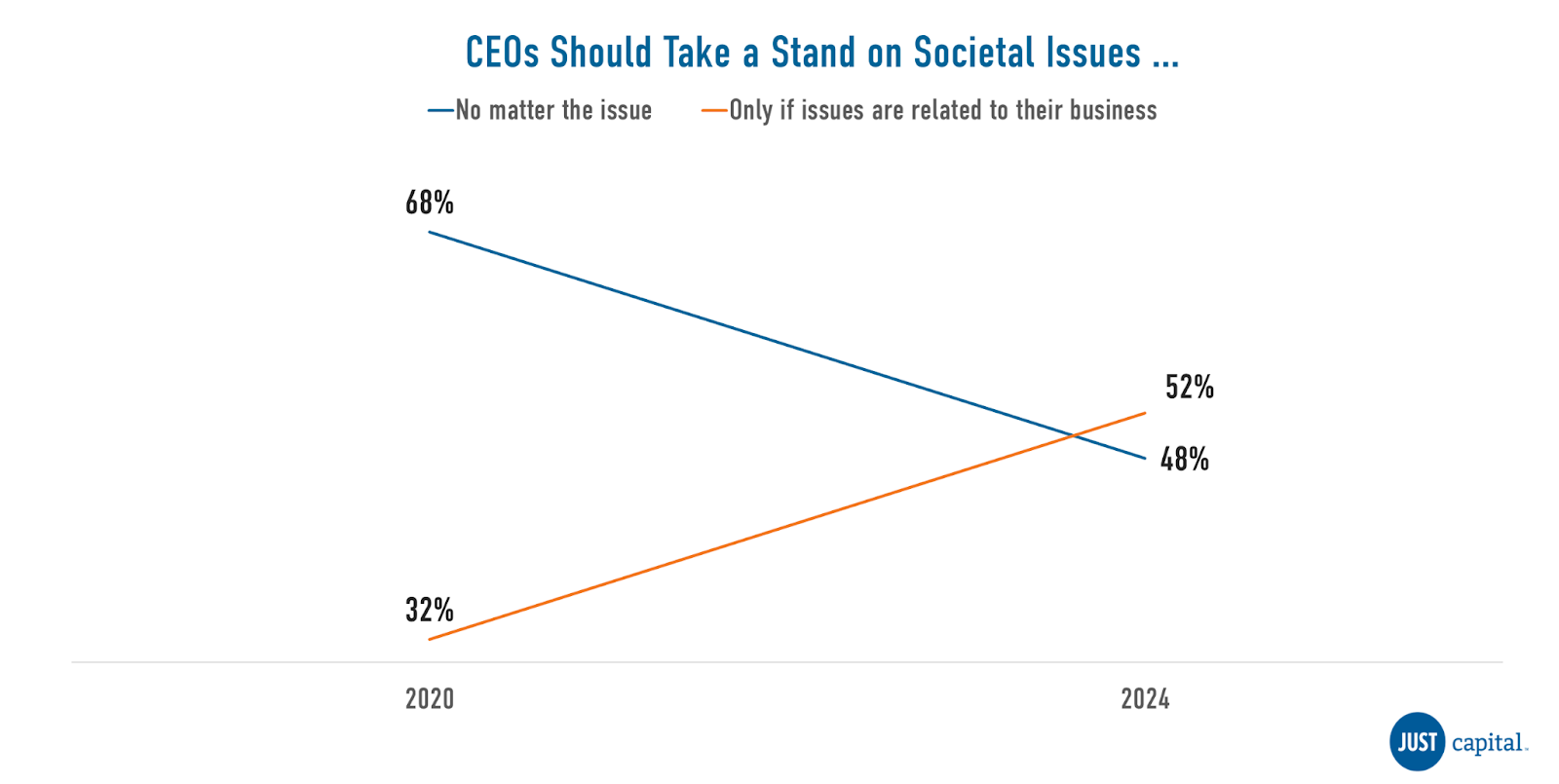
This chart comes from our 2024 Americans’ Views on Business report and shows the nuanced landscape CEOs must navigate. While the number of respondents who agree CEOs have a responsibility to take a stand on important societal issues has remained consistent around 60% since 2018, the type of stand has changed. In 2024, 52% responded that CEOs should focus on societal issues where impact dovetails with business performance compared to 32% in 2020. Explore the rest of the insights here.

Just Board Member Xavier de Souza Briggs and his colleagues at Brookings Institution released a major new report on generative AI, the American worker and the future of work this week, alongside a TIME guest essay on how the AI revolution is poised to affect workers in the least unionized industries. Amongst other things, they find that more than 30% of all workers could see at least half of their occupation’s tasks disrupted by generative AI, and that the disruptions will be felt across “cognitive” and “nonroutine” tasks, especially in middle- to higher-paid professions.
What can business leaders do to prepare? The authors identify several options including fostering worker engagement in AI design and implementation, and elevating worker voice in mitigating harms such as job loss and inequality. It’s a thorough, insightful study that will help anyone trying to make sense of this increasingly complex and worrying issue.
Also this week, The U.S. Department of Labor released its AI best practices roadmap for developers and employers seeking to safeguard worker well-being. The wide-ranging guidance covers everything from the development of more responsible AI standards and governance structures to ensuring meaningful human oversight for significant employment decisions. Investing in employee training on AI and increasing transparency with workers about the use of AI at work are also important principles. For examples of how 3 JUST 100 companies – Accenture, ServiceNow and T-Mobile – are putting these principles into practice, see below.
Clearly, the scaffolding around which a just approach to deploying AI in the workplace is now being constructed. What’s also important, as noted at the WSJ’s recent CIO Network Summit, is the ROI for AI in business. Leveraging LLMs to boost productivity, grow revenue, improve the employee experience, create higher quality jobs, better serve customers, reduce waste and environmental impact, and improve transparency – things that also constitute just business behavior – are coming into sharper focus too.
Be well,
Martin
This week marks the release of The Competitive Advantage of the Win-Win Workplace, a collaboration between Future Forward Strategies, The Burning Glass Institute, and JUST Capital. The report introduces 9 key strategies for aligning employee well-being with business success, and includes real-world case studies from companies like Intel and Cigna. Get all the insights here.
JUST Board Member Xavier de Souza Briggs and his colleagues at The Brookings Institute released a new report on generative AI, the American worker and the future of work, with a TIME guest essay on how the AI revolution is poised to affect workers in the least unionized industries.
As Martin noted above, here are three examples of AI and worker well-being coming together at JUST 100 companies.
Fortune takes a look at why ESG assets continue to grow in investment despite recent pushback against them.
The Conversation examines the underpaid, overworked workforce supporting the AI explosion: data labellers who must review everything fed into an AI system to correctly define the type of information.
The Washington Post reports that Boeing is planning to layoff nearly 17,000 jobs (10% of its workforce) after losing nearly $25 billion in the last few years thanks to ongoing security and safety concerns, legal battles, and union strikes. Competitor Airbus also announced plans to lay off 2,500 jobs in its defense and space division.
The Times reports that BP has abandoned its target date to cut oil production after falling significantly behind.
Axios highlights an interesting piece of research – at the very top, the gender pay gap flips, and women CEOs actually make more than men. However, this is likely a matter of small sample size as women represent just 40 CEOs in the analyzed index.
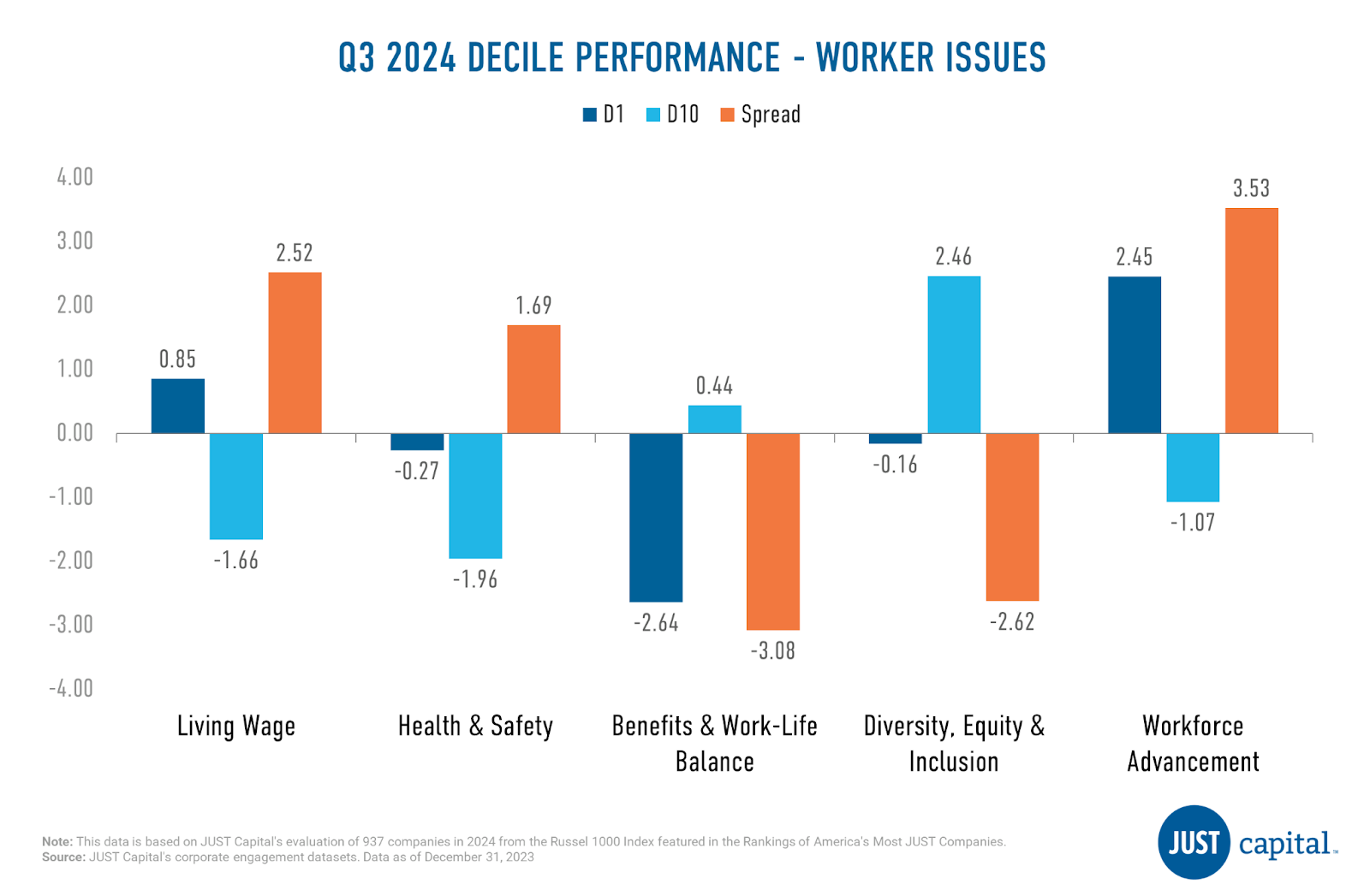
This chart comes from our review of Q3 Stakeholder Performance. Companies that lead in our Workers stakeholder delivered strong performance over this period (with a long-short spread of 1.17%). Year-to-date, our flagship JULCD index is outperforming its benchmark by 0.46% and the JUST 100 has significantly outperformed its benchmark by 7.38%. Explore the data here.
