
The boos that greeted Eric Schmidt when he raised the subject of AI during his commencement speech at the University of Arizona reflect an interesting cultural touch point. Days earlier, a real estate executive at the University of Central Florida got the same response. New graduates, it seems, are voicing their fears over one of the toughest hiring markets in years.
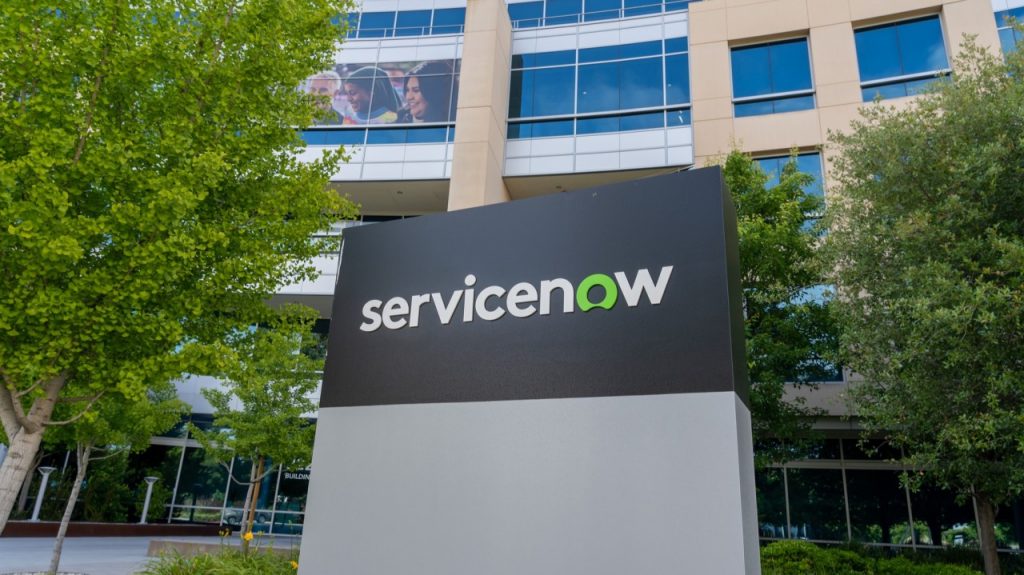
It’s against that backdrop that ServiceNow President and CFO Gina Mastantuono shared an interesting perspective on LinkedIn this week. One of the biggest mistakes companies can make in the age of AI, she wrote, is overlooking early-career talent. AI is automating some of the repetitive tasks that used to define entry-level roles, but the answer is not to pull back on investing in young workers; it’s to rethink how we develop them. Early-career employees are often the most AI-native people in the building, Mastantuono points out. They come in with “fresh eyes and fewer assumptions.” Pair them with experienced leaders, she asserts, and reverse mentoring happens naturally.
ServiceNow’s showing in our measures of workforce performance reflects that conviction. The company sits in the top 5% of its industry on career development, a measure that draws on internal hiring rate, tuition reimbursement, talent retention, and average hours of training delivered to employees. It also ranks in the top 5% for percentage growth of U.S. jobs. Oh, and their revenue is on track to grow more than 350% since Bill McDermott became CEO in 2019.
The boos at graduation ceremonies speak to understandable anxieties and fears. ServiceNow’s approach shows a concrete way forward for business leaders looking to become stewards of the next generation and drive growth.
Be well,
Martin
This newsletter was written mostly by humans with a bit of help from AI.
Semafor looks at how recent college graduates are dealing with a distorted labor market as companies reduce junior hiring while increasing AI adoption.
Meanwhile, The Wall Street Journal reports that in fact some companies are hiring more entry-level workers, particularly those with AI skills.
The Economist argues that governments need to start implementing additional safety nets now before the full impact of AI on the labor market is felt.
Meta is laying off roughly 8,000 employees as it restructures around AI priorities and operational efficiency.
Fortune reports that Pope Leo is launching an AI commission to look at the effects the technology poses for the well-being of humanity.
Inc. reports on a recent statement from Barnes and Noble’s CEO that he’d be willing to sell AI books if they were clearly labeled.
Bloomberg reports that roughly one-third of American workers are now treated as highly replaceable labor.

This chart from Axios looks at the public’s growing concern around the speed of AI development.
