Happy May Day. Traditionally a day when the world celebrates workers, this year the homophone is perhaps more apt. The American worker is, by many measures, sending up a distress flare. Job satisfaction has fallen to the lowest level in the 12-year history of the New York Fed’s survey. Wage growth expectations are down. Entry-level hiring is low as Gen Z competes with AI to get a foot on the first rung of the ladder.
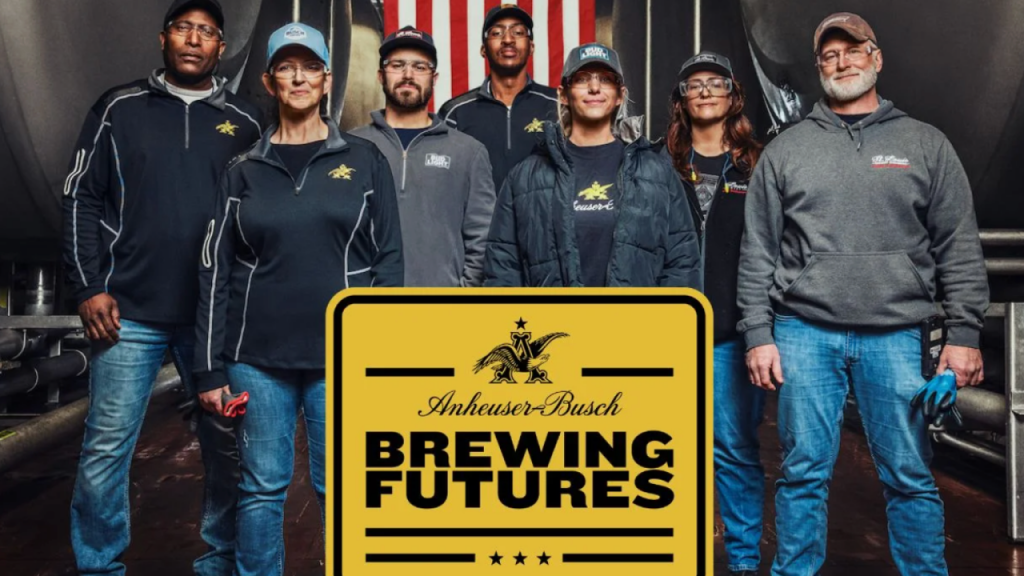
But it isn’t all doom and gloom. Against the steady drumbeat of AI-driven layoff announcements, some companies are taking a different tack. This week, Anheuser-Busch announced a $600 million investment in U.S. manufacturing operations, including 15 new technical skills training centers and an expanded commitment to hire veterans transitioning into manufacturing careers. Microsoft recently expanded its partnership with North America’s Building Trades Unions, launching no-cost AI literacy courses and credentials for millions of skilled craft professionals. Meanwhile, Citi is rolling out a new centralized AI operating system that allows their 180,000 employees to securely build agents that help them augment their work and AstraZeneca has certified 17,000 employees in AI competencies.
Our research indicates these kinds of investments can pay off. As of April 28, Just Capital’s Workers Leaders Index, which tracks companies that best meet the American public’s expectations on how they support their workforce, has outperformed the Russell 1000 equal-weighted index by 37% since December 2021. And our Workforce Advancement Leaders Index, which tracks companies with strong training programs, tuition reimbursement, high retention, and high internal hiring rates, has outperformed the same benchmark by 22% over the same period.
The companies investing in new skills and career pathways recognize that trust and engagement can translate into competitive advantage as the AI economy takes shape. I’ll be in Chicago next week speaking at the Win-Win Summit with Covista CEO Steve Beard on exactly that topic.
Be well,
Martin
Fortune reports that an NVIDIA executive has warned the infrastructure and compute costs of AI actually exceeds human labor costs, challenging the idea that companies can automate human work.
The Wall Street Journal reports that OpenAI has fallen short of key revenue and user growth goals as it pushes toward a potential IPO, with the company’s CFO questioning massive data center spending.
Fortune reports that executives and boards are divided over who should control AI strategy, reflecting governance confusion as the technology becomes central to business operations.
Bloomberg reports that Meta is preparing to cut around 10% of its workforce and close 6,000 open roles as the company pushes for AI-driven efficiency.
MSN reveals that nearly 40% of Americans do not have a retirement account.

This chart comes from our recent AI polling, and shows where public and investor perceptions align and diverge when it comes to workforce support, as well where company action is taking shape according to corporate leaders.
