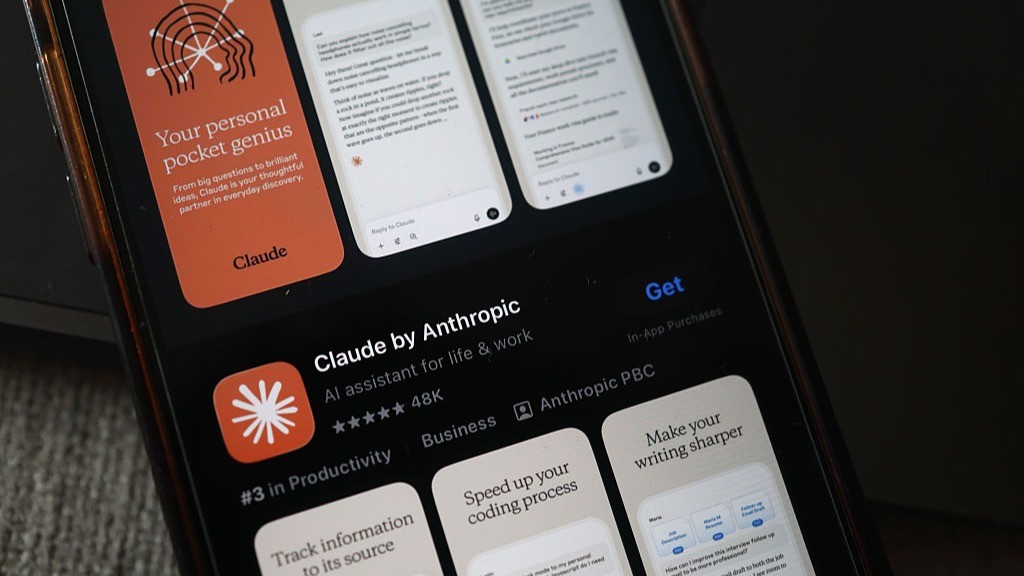
This week Anthropic said it will embed invisible, machine-readable watermarks in text generated by Claude, along with signed provenance metadata on the files it produces. The announcement was in response to Article 50 of the EU AI Act, whose transparency obligations took effect on August 2. But the company is applying the marking everywhere Claude is offered, not just in the EU.
This may be a wise strategic move. In our spring polling, 81% of the American public said companies should use a watermark to indicate when AI-generated content is in play. Among investors, agreement hit 93% — about as close to unanimous as we see.
Every business deploying AI at scale may soon come to field a version of this question from their customers, their employees, and even their investors: how do we know what came from a person and what was generated by AI?
I got the chance to explore this theme last week when I sat down with Madison West, Head of Sustainability at Intel and President of the Intel Foundation. Intel established responsible AI principles years ago to guide the company in building safety, transparency, and societal impact “as part of the development process, not at the end.” Her framing of why that matters commercially has stayed with me: “Innovation moves faster when people trust it.” You can catch up on our full conversation on LinkedIn.
Be well,
Martin
51% of workers believe that widespread use of AI at work will only or mostly benefit business owners and executives, compared to just 6% who say most or all the benefits will go to workers. Explore the data in the latest report by Groundwork Collaborative.
The Washington Post looks at the growing surge of rural, Republican voters blocking data center projects in the south.
Meta announces a $1 billion “Future is For Everyone Fund” to assist areas impacted by the development of AI data centers. Yahoo Finance has the story.
Axios writes that OpenAI is pausing the release of its Astra model to expand safety testing of its potentially “critical” cyber capabilities.
Fortune looks at data that shows Boomers and Gen X are actually unhappier about the economy than younger generations – and the reasons why are different for both groups.
Reuters reports on the unexpectedly poor July jobs report revealing that the U.S. lost 23,000 positions over the month. At the same time, The Washington Post reveals that many signs of unemployment improving are actually driven from people leaving the job market entirely.
The New York Times reports that Meta will have to pay $567 million in a case arguing that the company knowingly attracted children to its platforms while knowing they were unsafe.
Axios’ advice to business leaders? Stay consistent. At least according to recent polling that shows Americans are increasingly skeptical of companies that react suddenly to the political moment.

This chart comes from our latest polling from the American public, investors, and corporate leaders and backs up the research from Groundwork Collaborative featured above. Corporate leaders continue to feel that AI has improved their job satisfaction, while workers and investors have plateaued.
