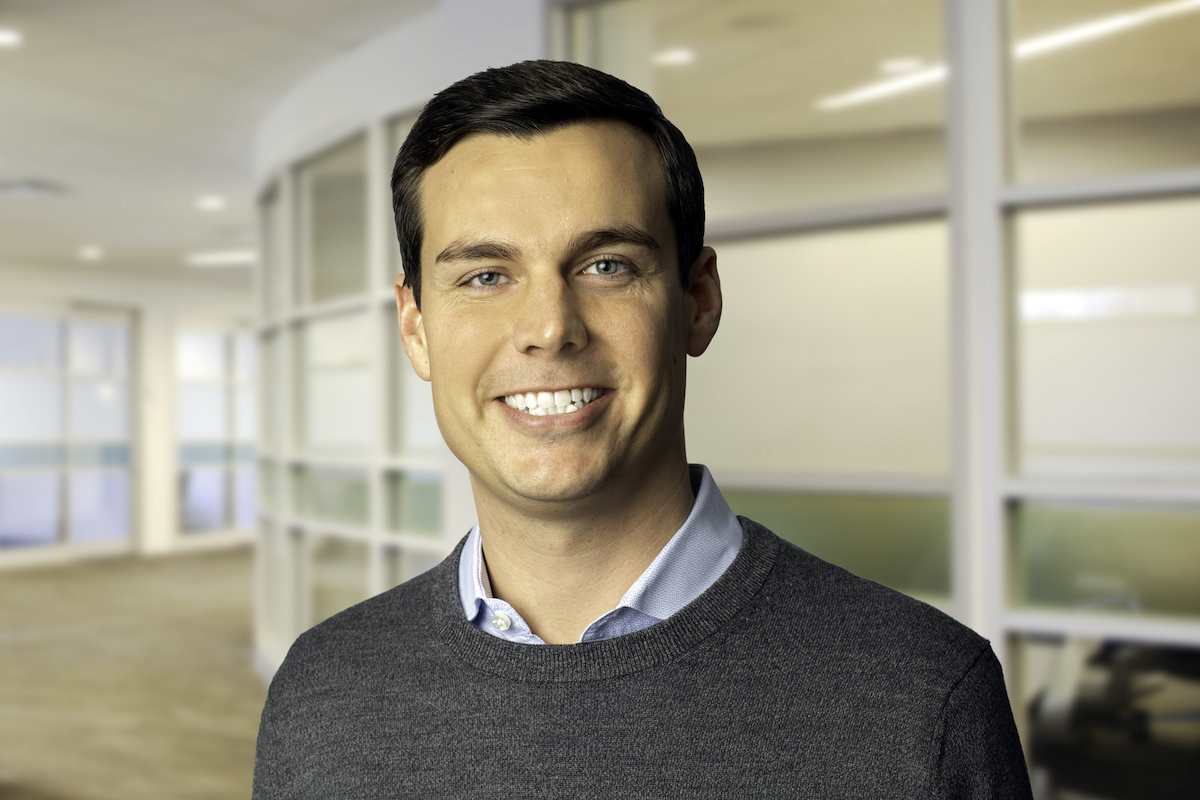
Synchrony’s head of HR, DJ Casto. (Courtesy of Synchrony)
We are days away from the year anniversary of the official declaration of the COVID-19 global pandemic, and with its end seemingly on the horizon, corporate America is considering what policies and insights developed over the past year are going to stay. Synchrony Financial is going all in, where every one of its 16,500 employees will continue to work from home at least part of the time. And the typical office structure will be gone. When employees are able to return to physical locations, they will be able to reserve desks at “hubs,” and a full 40% of real estate square footage across the country will be reduced.
Synchrony (ranked 20 in the JUST 100) is the United States’ largest provider of private label credit cards, with partners like Amazon, Lowe’s, and PayPal, and a significant portion of its workforce works in customer service. That meant the transition to fully working from home required significant adaptation to ensure that technology, including security, performed at the same level it would in an office.
Its chief human resources officer, DJ Casto, worked closely with his CEO, Margaret Keane, and president, Brian Doubles (taking over the chief executive role on April 1), in transforming the company and preparing it for a radically different post-pandemic future. It helped that as a parent of two young children, he could relate to the challenges many of his employees were facing. A new work-from-home approach for the entire workforce required new benefits, and Casto and his team focused on how to help Synchrony’s parents adjust.
As a consumer credit company, Synchrony took a significant financial hit with the onset of the pandemic and had to rethink how it would bounce back. Investors have been optimistic since its Q4 earnings report in January, and its stock has outperformed the S&P 500 since then. When Casto and I talked at the end of last year, however, he was insistent that while the post-COVID approach to work will have cost benefits, its primary driver was employee feedback gathered regularly from the past year.
Employees read in an internal memo from September: “As we manage in the short-term to deliver on our long-term strategy, we must align our expenses to the resizing of our business and economic realities. But this strategy is about more than physical buildings, it is about a new way of working.”
Casto had much to say about how the necessities of the COVID-19 pandemic pushed Synchrony in new directions, but that this new approach opened his, his team’s, and employees’ eyes to an entirely new way of working, one that is going to outlast the virus.
The following interview has been edited for length and clarity.
JUST Capital: When did this idea of a hybrid model of working, come into play like, “Hey, maybe we’re going to make some permanent changes here.”
DJ Casto: It’s interesting, as you ask us to take a step back and reflect. All companies had to go through what I would call a cultural stress test, where the companies that performed really well through this pandemic are the ones that leveraged their values. And we all had our values up – we introduced our values at new manager assimilation days, or say them at a town hall – but it’s in these really dynamic times, like what we’ve lived through in 2020, that you get to see does a company really live its values.
And I think for Synchrony, we did. It allowed us to build an even more meaningful and personal relationship with our employees, even though we’ve all been at home and dispersed. In the early days of the pandemic, our CEO, she was brilliant about this, had us focused on the No. 1 priority, our employee safety, and then ensuring that we were meeting our partners’ needs. Our partners are Amazon and PayPal, and so we have to make sure they’re getting all of the support they need and, and that our cardholders are getting the support they need because a lot of them use our cards for all the essentials they needed during the pandemic.
And so at a time that we focused on our employees, we also stood up eight work streams that really helped us reprioritize.
[The work streams are built around “accelerating business growth; the operating model of the future (including remote work flexibility); helping businesses navigate the future; changing the way we work to drive more agility, empowerment, and faster decision-making; and advancing diversity, inclusion, and equity.”]
We had set goals in January, but no one had put into the process that we’d have a global pandemic and social unrest! So we all took a step back and our CEO, Margaret, asked our president, Brian Doubles, to stand up these work streams to make sure we had real clarity around what we were focused against. They were around what our customers and employees need now, and then also envisioning what they would need post-pandemic. That was interesting because I felt I can’t even imagine what it’s going to be like post-, but it allowed us to have some clarity in the midst of the storm.
We were blessed – we were able to get 100% of our workforce home, which a lot of companies couldn’t do. And with our chief information officer’s support, everyone was able to get a Chromebook. This was in about three weeks.
We did a pulse survey a couple of months afterwards, asking: Do you have the support you need? What are other things we can be doing? What’s working and what’s not working? We got a lot of the basics, like hey I need some support with internet connectivity, or I need a better work at home setup. But then we started to unpack it, and surprisingly 85% of our workforce in those early days told us that they were interested in having a more permanent work at home arrangement. That is what prompted this whole workstream led by Brian.
JUST: As someone who has a young family, how did these results personally make you feel?
Casto: It registered with me a lot. I’ve always done a two to three hour commute, total for the day. I had more of a traditional Monday through Friday in the office and I would build relationships pre-COVID by having a coffee or going into someone’s office, making the connection on a personal level. And what I started to hear from my employees is that although it was tough and we were trying to figure it all out, there were these moments that we’ve gotten back in our lives that were really important to us.
For example, typically I would have left awhile ago, while Liliana, my oldest, is still sleeping, and I would have gotten back and she would probably be in bed. Now, after this call, I can pop out and get a coffee and I get to see her. Those small moments really matter. We certainly heard this through our employees that, hey, this, this, this could work for me – I meet my personal challenges and my professional career advancements all from home. You’ve got to remember a lot of our employees are contact center associates helping to support our cardholders. I think what they saw was if I removed the commute, if I remove the gas dollars associated with that, if I think about the life complexities that I’m helping to manage, if I can get my office set up the right way and I can get the some rules set up for my family, then I can have a better quality of life.
And so we took all of our real estate, we put it up on a map, and question one was, Are we in the right areas for the talent we need? The good news is when we IPOed and separated from GE about six years ago, we had done some of this work. We didn’t feel like we’d needed to get out of any of our areas, but what we had done is we had boxed ourselves in to be very traditional in how we were filling certain roles and certain jobs in certain areas – Oh, that’s a headquarters role. It has to be based in Stamford. Or oh, this job supports our retail card client. It has to be based in Alpharetta, Georgia.
And so what we said is we’re in the right markets, but we have to expand our thinking on are we maximizing the markets we have and allowing individuals to compete and win more opportunities across the map. As we started to think through this, we said, OK, we have to make sure we maintain our culture, or actually is there a way to amplify our culture coming out of this?
So what we did is we pivoted from a site construct to transforming to a hub strategy. We called them “hubs” deliberately because we still want people to have a cultural connection to some area. We don’t want our workforce dispersed everywhere because we want a sense of identity that there is a community that you can connect with.
JUST: When you mapped this out, was the process something like instead of having three floors in this building, we have just one and it’s a hub now, or we’re closing down this location and we’re just going to have this one hub to represent the whole region?
Casto: It’s like you were part of the working team with us! Let’s use Chicago for an example. We used to have two different office spaces in Chicago and we’re combining them. We’ve communicated to that group that it’s when you need to come together for collaboration, for some of our innovation sessions that we do. We still need a home base, and so that is being reimagined where you leverage technology to purposefully use the space.
We’re going to launch a hoteling app. Let’s say you and I are working on a project together where we’ve been doing everything virtually, and then we both hit a roadblock. We’re like, you know what, we just need to get in a room and think about how we envision this next step. We’re both available next Wednesday. Well, let me get on the app, I’ll book a collaboration room and oh, why don’t you invite Angie as well? I think she’ll provide great perspective. I can even book space for a couple days.
Ninety-five percent of our workforce will still have access to Synchrony’s physical space. But we’ve reduced that footprint quite a bit – we reduced our real estate square footage by about 40%. We didn’t start the project as a cost initiative, but it did allow cost to come out of the system.
JUST: So you’re in a situation where there is going to be cost cutting on real estate, some out of necessity, but something that was also happening simultaneously is not only keeping benefits for the workforce, but enhancing many of them. How did you balance that, where the workforce is actually gaining from this, in addition to just keeping things running efficiently?
Casto: Agility became foundational to the company. The other thing that we did was lead with authenticity. We were just honest with the workforce. When we started on this, Margaret held bi-weekly calls with with the entire workforce, they were called Ask Us Anything. You could ask the CEO and her leadership team what was on your mind, and it just drove this greater level of kind of transparency, a greater personal connection.
We said, 85% of you said you might want to think about this in a more permanent way. We’ve stood up a working team to really unpack it. We’re not allowing costs to be the initial driver of this initiative, but it’s going to be an output of it. We can reduce our real estate, but we should thoughtfully figure out how do we do that while still meeting your needs. Then we told them we were doing a review. It did get people nervous a little bit, around what does that mean and what does that look like? We said we’d be taking your input and feedback and we’ll get back to you with what we’ve learned and what our plan is.
JUST: I would imagine that as you’re listening to employees throughout this time, that in addition to some of the benefits of the flexibility of working from home, that a lot of challenges would arise for employees, as well. Particularly I’m thinking of working mothers or young parents in general, like taking care of a baby or trying to be a teacher for their child learning remotely.
Casto: Well, the good news is I have a case study behind my door with a two year old and a three month old to help me navigate. My wife was definitely my truth teller in being able to tell me about the complexities. Seventy-four percent of our contact center associates are women, so you’re identifying a real concern we had about the sustainment of this longer term.
We had a daily stand-up within HR, and we started to tackle what are the benefits that are working what are the benefits that need to be expanded, and what are the benefits that we haven’t even thought of? Childcare was opportunity one.
We had emergency childcare where people could use up to 10 days leveraging a third party that we had brokered this with, but guess what? Those were in daycare centers and daycare centers were closing down at a rapid rate because of COVID. And so in an agile fashion, we stood up a reimbursement program. We said to our contact center associates that we know you’re going to be dealing with a lot of different complexities and things are going to fall through, but you’re going to need to be able to show up and be on calls for our cardholders every day. And so we will reimburse up to $100 for any babysitter that you can find, for up to 60 days. We won’t micromanage this. We made it real simple – it could be your mother-in-law, or it could be your neighbor, because a lot of people were really struggling with childcare. That’s something we’re going to continue to go forward with.
We’re going to make the change around allowing a more permanent work at home arrangement, and so our benefits have to also support that new model.
JUST: What was the litmus test for what was going to be a temporary solution for the pandemic versus something that we need to carry forward permanently?
Casto: We launched everything in an MVP type fashion – minimum viable product, and we were honest with our employees. You said you need it, we’re getting it out, and it’s test and learn. I’ll give you, childcare as a great example. We upped the days three times – we went from a base of 10 days to 25, from 25 to 35, and then from 35 to 60. We were just testing and seeing how many employees were using it.
I’ll give you another good example, and it talks to the stress that parents were involved in. You certainly could feel and see the fatigue start to really catch up with folks. We did another series of listening sessions and parents just needed some support. A parent in one of the Ask Us sessions said, it’s stressful for us, we typically had summer programs that our kids could go to, and all of those have been canceled. They didn’t even ask for anything, it was just a statement, but then our team got to work and said, we could maybe create in-house program for the summer. Liz Heitner, on my team, made a great cross-functional team of Synchrony employees that put together a story time for kids program, that’s almost like an internal YouTube that allows you to plug in. It’s now morphed to tutoring.
I think 2021 is still going to be a bit of a test and learn year. We’re all going to have to push ourselves to really think about how to support our employees differently and more holistically. There’s a responsibility that has shifted from where I’m not just responsible for an employee, but I’m responsible for everyone in that employee’s life at home.
JUST: On that note, another issue that has kind of come to the forefront for a lot of companies during this time has been the mental health of their employees.
Casto: Mental wellness is something that we started trying to think differently on even a year ago before the pandemic hit.
Looking at a contact center associate, we might be their first job that’s allowing them to kind of grow their career. A frontline manager may not be equipped to deal with an employee that’s having some real personal issues at home, is struggling with anxiety or depression, or is really trying to figure out how to pay the bills.
And so we launched in our Kettering, Ohio office in late 2019 the concept of a life coach. So we partnered with Optum and hired a counselor named Shawna Mikesell. She was dedicated to the site and would walk the floors, get to meet the employees, and they would go to her. She would help employees find both financial counseling and mental health resources, and she was clinically trained to. I think that is a place where a lot of corporate America needs to continue to invest. We’re going to need more of these life coaches. If you’re going to tell people that they can bring their full self to work every day, you’ve got to have the support program and resources to help them navigate it all.
JUST: Certain shareholders aren’t always open to investing in a workforce in a significant way. How do you think of implementing new policies in this sense? How do you look at balancing trade-offs?
Casto: What we’ve been anchored on is you have to be really prudent and smart on the trade-offs. The investments we’re making in flexibility, in new benefits offerings, the trade-off is we’re reducing the amount of space that we have and that overhead cost.
I would hope our shareholders would want us to continue to invest in our employees in a way that’s going to allow them to be more productive, more innovative, more creative – which hopefully they see in the total shareholder return in the longer term.
If you’re able to continue to invest back into employees, it’s going to allow our partnerships to get richer, and employees to be more committed. You’ll see the returns, hopefully, through the innovation that those employees drive. And we’ve seen that even in the pandemic. We launched two brand new partnerships during the pandemic, with Verizon and Venmo, completely done through this digital way. Our employees all stepped up. Those are just two examples, but I think that’s how it all ties together.
There are always trade-offs, but they should always be done in a way where you ask how can we figure out a way to self-fund and invest in our employees? Because it always pays off in the end, if you take care of your employees in an authentic and meaningful way.
In this week’s Chart of the Week, we take a look at our JUST Industry leaders across the 33 industries we cover in our universe. Over the trailing one year, JUST Industry leaders have proven their resiliency through the market downturn in March and continue to see strong outperformance in the recovery. Relative to the Russell 1000, the JUST Industry leaders are outperforming by 9.6%. Looking at the chart, it’s clear that our best-in-class JUST companies see similar volatility to the rest of the universe, yet see continued protection on the downside coupled with a much stronger upside.
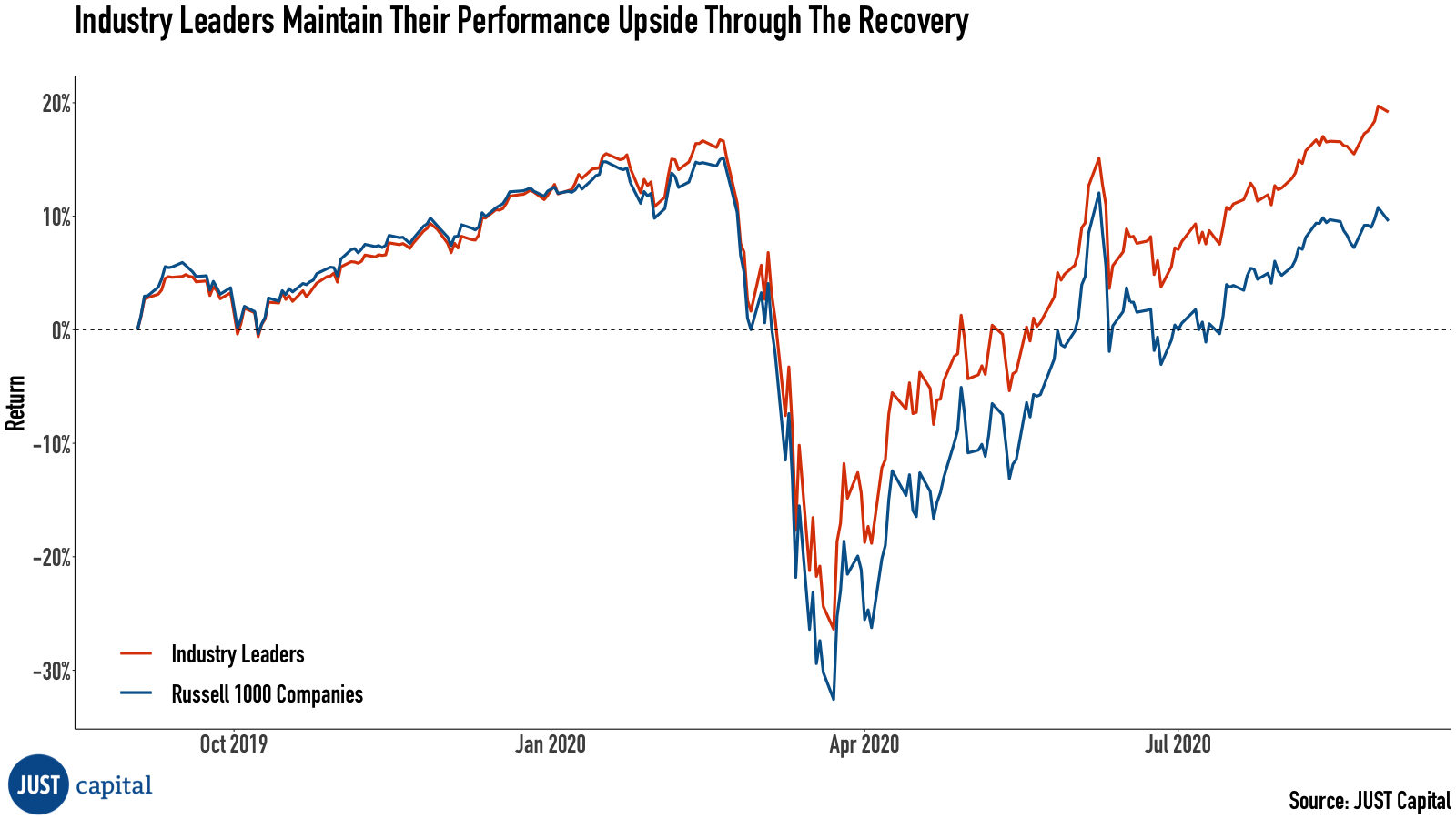
As big tech continues to grab headlines for propelling the stock market out of the recession this year, it’s important to recognize significant outperformance by the best-in-class companies across all industries that are prioritizing stakeholders. Investors continue to advance stakeholder capitalism each day as we see company prioritization of its workforce, customers, and communities remain a significant source of alpha. Outside of our Chart of the Week series, it is important to showcase how JUST industry leaders continue to propel our investable indices and investment products to success as well. Our JUST US Large Cap Diversified Index contains the top 50% of companies in each industry and has returned 23.73% over the trailing one year (as of 8/31/2020). The ETF that tracks this index, Goldman Sachs’ JUST US Large Cap Equity ETF has returned 23.29% in that same period net of fees. Relative to the Russell 1000, both the index and ETF have outperformed by over 200bps net of fees.
By investing, purchasing from, and working for more just companies, you help progress an economy that works for all stakeholders and incentivize a shift towards a more equitable America.
If you are interested in supporting our mission, we are happy to discuss data needs, index licensing, and other ways we can partner. Please reach out to our Director of Business Development, Charlie Mahoney, at cmahoney@justcapital.com to discuss how we can create a more JUST economy together.
If you have questions concerning the underlying analysis, please reach out to our Senior Manager for Quantitative Research, Steffen Bixby, PhD, at sbixby@justcapital.com.
The information contained herein is for informational purposes only without regard to any particular user’s investment objectives, risk tolerances or financial situation and does not constitute investment advice, nor should it be considered a solicitation or offering to investors residing outside the United States. JUST Capital makes no representation as to the advisability of investing in any investment fund or other vehicle. Shares of JUST are made only by prospectus. The addition, removal, or inclusion of a security in any JUST Capital index is not a recommendation to buy, sell, or hold that security, nor is it investment advice. The JUST Parties do not in any way sell, sponsor, support, promote, or endorse any securities based on the JULCD, or have any involvement in their operations or distribution. Prospective investors should not make a decision to invest in any investment fund or other vehicle based on the information contained in this website, and JUST Capital shall not be responsible or liable for any advice given to third parties or decisions to invest in any investment fund or other vehicle by you or third parties based on the information. Index performance does not reflect the deduction of any fees or expenses. Past results of the JUST U.S. Large Cap Diversified Index are no guarantee of future performance.
The JUST U.S. Large Cap Diversified Index is calculated and maintained by FTSE Russell using the Russell 1000 Index as a starting universe, and aims to reflect the performance of a JUST Capital Foundation Inc. methodology. FTSE Russell does not sponsor, endorse, sell, or promote any investment vehicle that is offered by any third party that seeks to provide an investment return based on the performance of any index. It is not possible to invest directly in an index.
Over the course of the last year, the nature of work has radically shifted for workforces across the U.S., with many putting their lives at risk on the frontlines and others shifting to working from home. According to our recent survey, 82% of Americans agree that companies should provide the flexibility to work from home, something critically important to public health and safety during this time. Moreover, working from home, done right, has the potential to improve productivity and lower costs for employers.
But working from home comes with its challenges, particularly when it comes to workers’ psychological well-being. Earlier this week, we were joined by Dan Ariely and Kelly Peters of BEworks – which works with companies to apply behavioral science to real-world challenges – to discuss how workers have been impacted by the shift to work-from home, and what business leaders should do to help protect their employees’ mental health and well-being.
Watch the full talk here, explore our key takeaways below, and read their latest research report on what predicts employee work-from-home success here:
Leaders are obligated to keep their employees from burning out.
Workers are facing new challenges when working from home, from prolonged isolation and Zoom fatigue to a lack of boundaries between work and home life. For workers with children, the challenges are even more complex, requiring them to juggle new roles as educators during the school day. Employers need to understand that the stress of these challenges accumulates for employees, potentially leading to burnout or decreased output. Make sure to encourage your employees to turn off at the end of the day and that you understand the specific challenges your individual employees face.
Trust and connection are critical to helping employees stay engaged.
Working from home has significantly diminished the casual connections we all experience in the workplace, like a chat in the kitchen or taking a coffee break with a colleague. More complicated, perhaps, is the potential for diminishing autonomy and trust as managers overcompensate for the lack of an office. Employers should continue to facilitate time for their workers to enjoy social connection with colleagues and an appropriate level of freedom to do their job. These gestures build trust and help employees remain engaged and productive.
Check in with your employees on a personal level.
While working from home, employees may have fewer opportunities to share personal struggles or frustrations with colleagues or supervisors, leading to frustration on the part of workers and a lack of insight on the part of business leaders. Create an open dialogue with your employees, and give them regular opportunities to share what they find challenging or what they feel isn’t working as they work from home. Additionally, share with them what’s happening at a higher level – what the operational challenges are, what the organization is trying, what might shift down the line. This open dialogue is critical, again, to creating trust and making sure employees feel heard.
It’s important to note that many of these same stressors – as well as others that are arguably more devastating, like personal health and financial security – are felt by employees on the frontlines. All business leaders, whether they are leading a team that’s primarily working from home or on site, have an opportunity to reimagine how they support their workers, during COVID-19 and beyond.
BEworks provides additional resources to help organizations ask the right questions and initiate dialogues with employees. Take a look at the broader takeaways from this conversation here, and reach out to the team for more information.
As the number of COVID-19 cases in the U.S. continues to rise, paid sick leave remains crucial to limiting the spread of the virus, protecting workers’ finances, and supporting businesses and the economy. Recent data from the Census Bureau, however, shows that the vast majority of Americans who weren’t at work because they had COVID-19 symptoms did not receive any pay.
Beginning at the end of April, the U.S. Census Bureau deployed a new weekly experimental household survey to identify how the pandemic is impacting people’s social and economic wellbeing. A key section of this survey asks whether a respondent worked in the last week and, if not, what was the main reason why, including whether it was because they were “sick with coronavirus symptoms.” Specifically, respondents are asked if they worked for pay during the prior seven days and if they didn’t, whether they received any pay during this period.
Over a four week period (June 18 to July 14), 71% of adults who didn’t work because they had COVID-19 symptoms reported receiving no pay during that period; only 10% reported using paid leave during their time away from work.
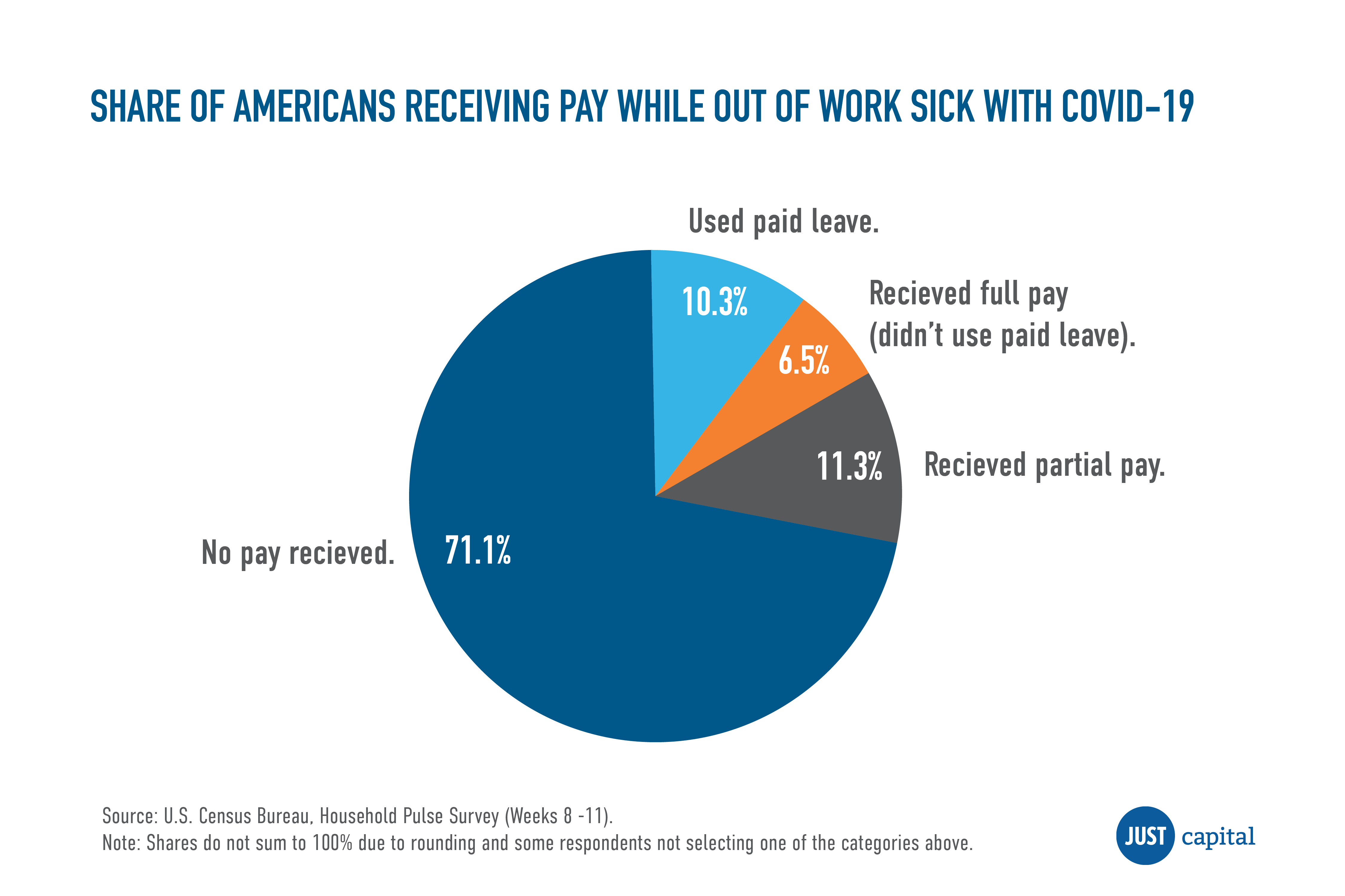
A closer look at the data illustrates that low-wage workers and people of color comprise the majority of people missing working due to COVID-19 illnesses. These workers are also among those least likely to have access to paid sick leave benefits prior to the outbreak. Below is a snapshot of the demographic characteristics of Americans missing work due to their COVID-19 symptoms.
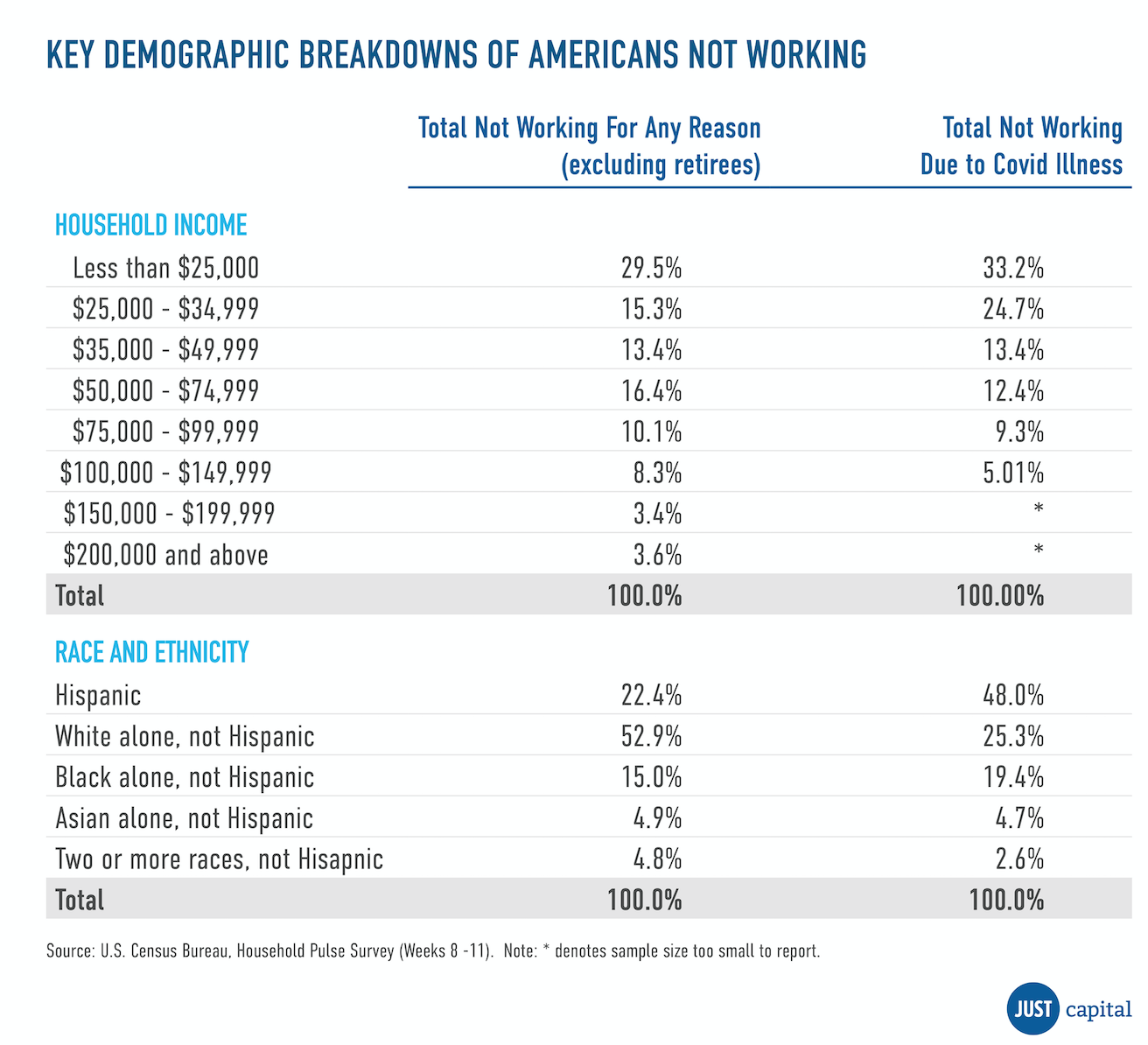
Americans not working due to a COVID-19 illness are disproportionately low-wage workers. More than 70% have a household income of less than $50,000, with nearly 60% making less than $35,000. As a point of comparison, among all adults not working for any reason, 45% earn less than $35,000. People of color also make up a majority of all adults not working because of COVID-19 symptoms, with Hispanic or Latinx workers comprising almost 50% of all adults.
As identified above, nearly three in four (71%) adults not working because they have COVID-19 symptoms are not receiving any pay. Alarmingly, these rates are far higher among low-wage workers. For example, among adults with a household income of less than $25,000, more than 87% didn’t receive any pay while they weren’t working; among people with a household income between $25,000 and $34,999, more than 73% of people didn’t receive any pay.
Nearly six months into the COVID-19 crisis, one may wonder why so many workers still can’t access adequate paid sick leave benefits. The short answer is that paid sick leave in the U.S. remains a patchwork of policies, including a new federal law, city-wide programs, and employer provided benefits. The data highlighted above suggests that this approach has largely failed at a moment when workers need paid sick leave benefits the most.
Prior to the COVID-19 crisis, there were significant disparities in access to paid sick leave across the labor force. Overall, 73% of private-sector workers had access to paid sick leave but rates were far lower in industries with significant frontline workers and among low-wage workers. For example, only 45% of those in the Accommodation and Food Services sector had access to paid sick leave; overall, only 30% of the lowest paid workers have access to leave.
Recognizing the health and economic importance of workers having adequate paid sick leave, Congress passed the Families First Coronavirus Response Act, which included a requirement for employers to provide up to 80 hours (10 days) of paid sick leave to workers. The Act, however, contained a large loophole, exempting employers with 500 or more employees, which represents more than half of the nation’s workforce.
On top of that, the Department of Labor – the agency charged with implementing the law – has done little to ensure covered employers and workers are aware of their rights under the program. In fact, the Department has taken steps to make it easier for small employers to also be exempt from providing workers with paid sick leave in instances when they need to care for children.
In short, legislated exemptions, clawbacks through regulation, and the lack of an implementation strategy reduced the effectiveness of the Families First Coronavirus Response Act. It’s clear that federal legislation that provides paid sick leave to all workers – regardless of employee classification or what size of company they work for – is still needed.
In the absence of additional Congressional action, large companies should step up and provide all workers with paid sick leave. JUST Capital’s polling shows that this issue is among the top priorities of the American public: 74% of Americans believe that companies should provide employees with 14 days of paid sick leave. Importantly, the public recognizes that this shouldn’t be a short-term benefit, with 70% believing extended lengths of leave should be provided to workers for at least the next 12 months.
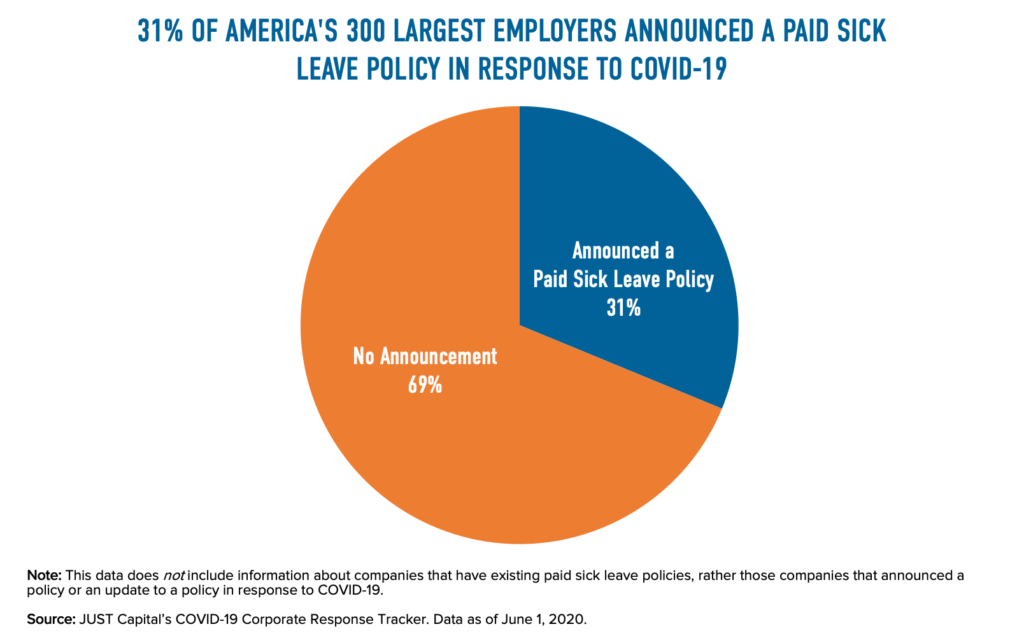
Since the beginning of the COVID-19 crisis, JUST Capital has been tracking corporate behavior and responses. Our research shows that less than a third (31%) of America’s largest companies have announced a new or expanded paid sick leave policy. Within the retail sector, JUST’s research shows that about 40% of the largest companies have made paid sick leave announcements. Across all companies that have made a paid sick leave announcement, the average number of days provided to workers is about 13 days.
In many cases, however, workers still face barriers to use. For example, at some companies workers need to have a positive COVID-19 test or a doctor’s note in order to use their leave. That means that workers who have a fever or other mild symptoms of COVID-19 and would like to stay home can’t do so with pay. In total, 31% of companies that have announced a new or expanded paid sick policy have some barrier to use.
As our country continues to experience a rising number of COVID-19 cases, paid sick leave is vital to containing outbreaks and protecting families’ finances. Corporate actions to date are encouraging, but businesses can and should do much more to ensure all workers – especially low-wage, essential workers – don’t have to choose between their health and earning a paycheck while they wait for Congress to act.
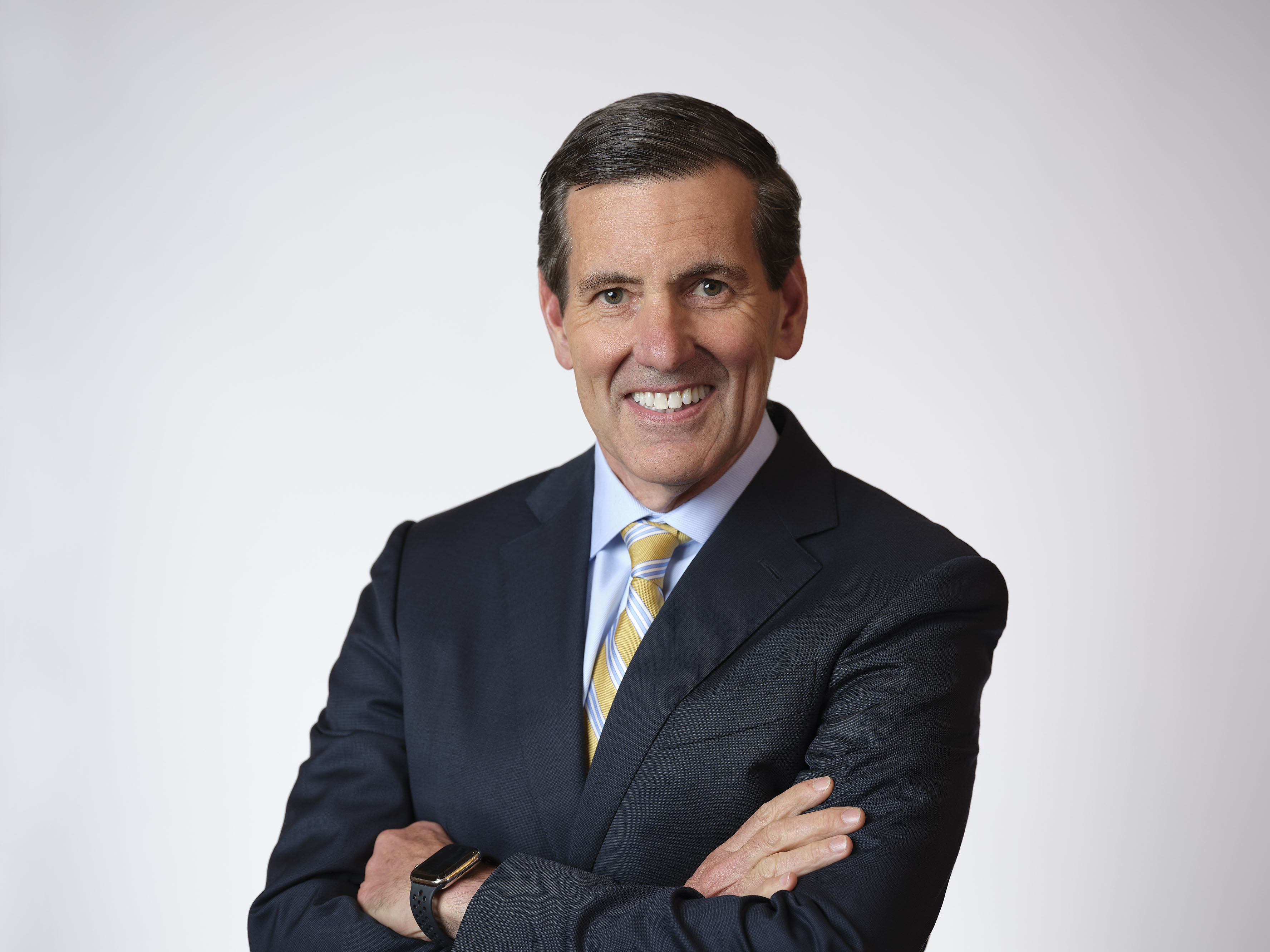
Humana CEO Bruce Broussard. (Humana)
It’s an interesting time to be leading Humana. It’s one of the largest health insurance providers in the United States and has a majority of its members – 16.6 million medical and 5.5 million specialty – are older adults, during a once-in-a-lifetime pandemic that is primarily most dangerous for the elderly. And it’s headquartered in Louisville, Kentucky, one of the centers of the ongoing racial justice protests.
Humana also happens to be a leader in the JUST 100, one of the top large corporations in delivering stakeholder value, based on the priorities of the public – it ranks first in its industry for customers, second for workers and the environment, and third for shareholders. Given its perspective on the biggest issues of the past several months, as well as its standing in our rankings, we knew it would be worth checking in with Humana’s CEO, Bruce Broussard, for our fifth Quarterly JUST Call (QJC).
The QJC is a chance for investors to get a holistic view of a company’s stakeholder performance, and for our discussion with Broussard, we partnered with our friends at Chief Executives for Corporate Purpose (CECP), who are similarly focused on strengthening C-suite communications about their long-term strategies to create sustainable value creation for both investors and other key stakeholders.
Broussard told JUST CEO Martin Whittaker that both the coronavirus crisis and the nationwide reckoning with racial inequity have solidified Humana’s dedication to its stakeholder approach, which he said has helped him in the constant goal of aligning short-term and long-term value creation. “Aligning shareholder value to how you improve societal problems is really a part of what we are trying to do as a health company,” Broussard said.
You can watch the full discussion here, which also features questions from investors collected by CECP’s head of the CEO Investor Forum, Nandika Madgavkar. Below it, we’ve highlighted some key takeaways.
“The beauty of Humana’s business model is really around when we help people stay healthy we do better as a company,” Broussard said. He’s been overseeing a transition in the company’s strategy, which it categorizes as shifting from a health insurance company that provides health care services to a health care company that provides health insurance. The more holistic view is built around improving access to preventative care, including expanded telehealth options, in-home testing, and sending health kits to members.
“All those things bode well for our organization from a financial value point of view, but in addition it really helps in improving people’s health, helps for societal issues in lowering the costs for making healthcare more affordable, and at the same time is just morally the right thing to do,” he said.
Even before COVID-19, a third of Humana employees worked from home and the other two-thirds had flexible work arrangements, so they were able to gain productivity quickly when many shifted to a work from home environment back in March. And being a purpose-driven company meant that their workforce was motivated to innovate around how they would help during the time of crisis. Broussard acknowledged however that, “the prolonged being at home, the prolonged Zoom calls, and prolonged isolation is having a toll on the behavioral side.”
To engage today’s workers, he said, leaders need to adapt and learn to lead in a virtual, two-dimensional environment. “We’ve found that storytelling and engagement around what we are doing as an organization, to bettering the organization, and keeping a transparent understanding of what’s going on in the organization, has been the most effective way to keep workers engaged.”
After the police killing of Breonna Taylor in Louisville in March, Humana’s hometown became one of the catalysts for a national movement. As the situation developed not only in the city but across the United States, Broussard said that he and his team recognized communities “demanding action.”
He said that he agrees with the faction of fellow CEOs who want to be more proactive when it comes to some of the country’s largest challenges. “Business is going to have to step up to deal with societal issues,” and while “we can’t solve all problems,” he said, companies like his with significant scalecan tap into what they do best to benefit the communities they serve.
In the case of racial equity, Broussard said that he and the board are focusing on the health disparities made impossible to ignore during the crisis. Black, Latino, and Native Americans have received COVID-19 diagnoses and died from it at significantly disproportionate rates from other racial groups in the country, and some of the key reasons are a lack of access to quality health care, as well as addressing important social determinants of health. Broussard said that Humana is hiring a chief health disparities officer whose role will focus on this issue, and the board will remain closely involved in developments.
Broussard explained that when Humana went into the crisis they aligned on some key tenants around how they would make decisions. “We wanted to be sure our shareholders were able to see returns coming through the crisis, that our brand improves and comes out of the crisis stronger than it entered, that we were oriented to customers’ health at outset, that our teammates, our employees, feel a sense of support in this time of uncertainty,” he said.
Aligning everything around the idea “we are responsible for people’s health” unleashed actions like waiving copays, sending 17 million masks to members and associates, ensuring telehealth was provided, and shipping one million meals to individuals homes. The impact was immediately palpable, Bruce explained, and its net promoter and employee engagement scores “skyrocketed.”
“Happy employees, and happy customers are going to be with you for a long time and that will deliver long-term stakeholder value. We wrap arms around employees, they feel supported, they support customers, and that shows up on the bottom line.”
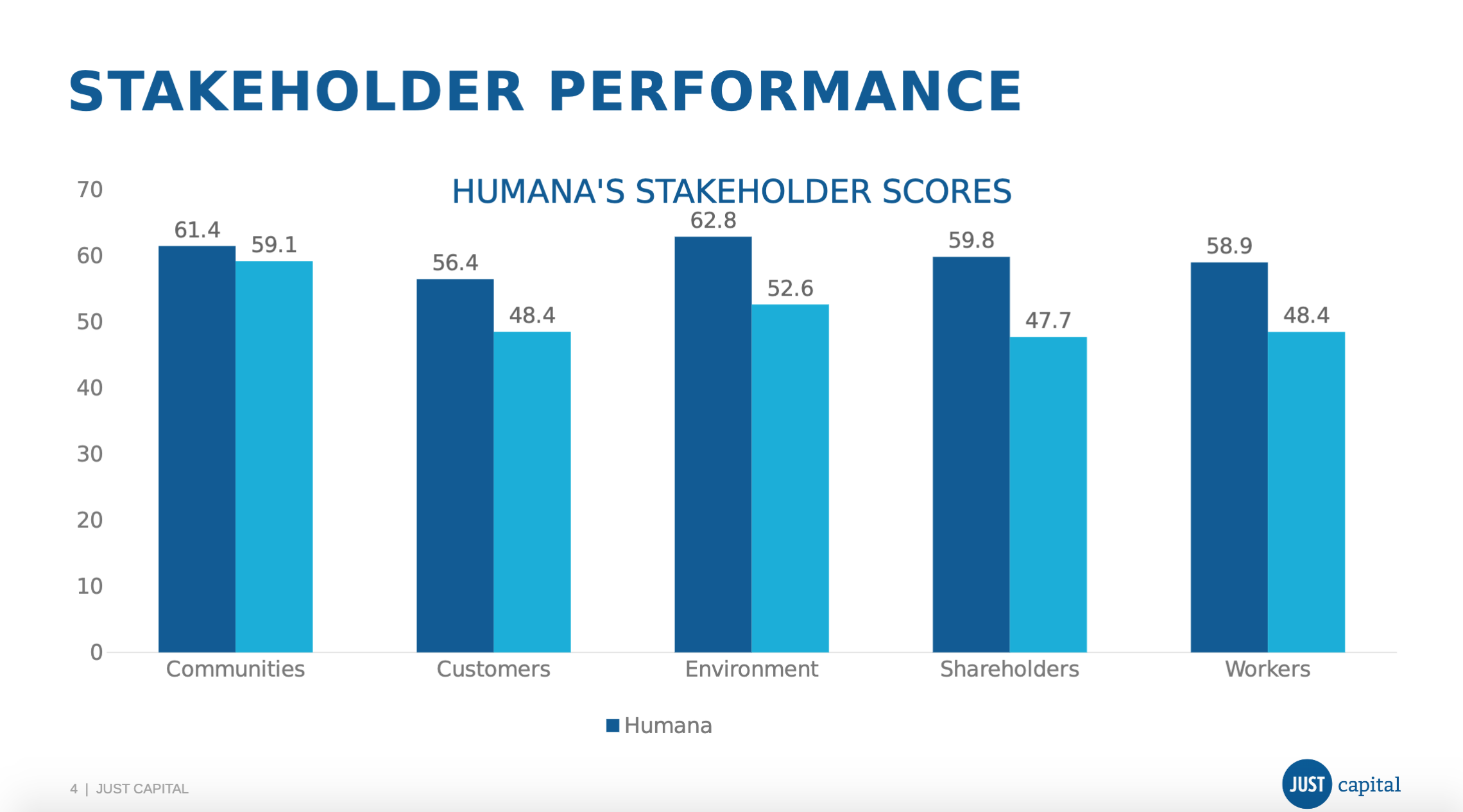
Humana’s stakeholder scores are measured against its industry average. JUST arrives at the scores by measuring a company’s policies and performance against stakeholder metrics, weighted according to how the American public prioritized them in our polling. (JUST Capital)
Broussard said that he told his large shareholders in March that they make he and his leadership team better by challenging them. “I think that healthy tension is a helpful exercise for us from a short-term point of view.”
It’s crucial, however, to pair that with the foundation of a governance structure at the management and board level of big picture strategy that goes well beyond quarter to quarter.
“If you tilt from one side to the other, and you’re not making that balance, the organization is harmed and the constituencies are harmed for some period of time,” he said.
Broussard said he always makes clear within Humana that, “Our responsibility as a leadership team is obviously make our budgets, hit our numbers, and those kinds of things. But our long-term responsibility is to leave this place a better place than we came. We are fortunate today to have people that made really good decisions before us, to allow us to sit in these chairs and do what we do. We want the next generation of customers, of employees, of shareholders to have that same value.”
Ahead of the QJC, Broussard appeared on CNBC’s Squawk Box. Andrew Ross Sorkin asked Broussard about the potential implications for private-public partnerships if Joe Biden were to win the presidential election, how the company adapted its offerings to customers once the pandemic hit, and how telehealth visits that have become normalized out of necessity could change the industry even when the coronavirus is gone. You can watch the full interview below.
Earlier this month, JUST Capital and The Harris Poll released the results of an extensive survey on how Americans think companies should respond during the Response, Reset, and Reopening phases of the coronavirus crisis. We found that Americans believe the pandemic has exposed deep structural problems in our society and with capitalism overall, but 89% agree that the crisis is providing an opportunity for corporations to hit reset and focus on doing right by their workers, customers, and communities.
So where should you focus?
Wendy Salomon, The Harris Poll’s Managing Director of Corporate Strategy, Jennifer Tonti, our Managing Director of Survey Research & Insights, Kavya Vaghul, our Senior Manager of Wages & Workers, and Michelle Mullineaux, our Chief Marketing and Communications Officer, unpack how expectations are shifting across the three phases of the coronavirus crisis – the Response, Reopening, and Reset – and how companies are performing so far against those expectations by revealing the latest data insights from our COVID-19 Corporate Response Tracker expansion to the nation’s 300 largest employers.
76% of Americans say they will remember the missteps businesses made during the pandemic long after it is over, and 84% will remember those that did the right thing, so you’ll want to hear the latest insights to help your team navigate the next 12 months.
