As a wise person once observed, it’s tough to make predictions, especially about the future. That said, our data, our breadth of relationships, and our vantage point over the corporate landscape does afford us a decent perspective on what might be coming around the corner. So here goes.
The ROI of stakeholder performance will dominate. Business leaders will be laser focused on pursuing only those initiatives that generate the highest return, the biggest bang for the buck and the greatest benefit to business growth and financial performance. This has big implications for data and disclosure, where quality will replace quantity, and everything will be scrutinized for its business relevance.
Corporations will back away from external messaging and public positioning and focus internally instead. This will make it harder to track what’s actually happening. Workers will continue to be the primary focus, but with economic issues front and center after the election, their desire for a fair shake, a clearer path to financial security, and a share of the success they help create will intensify. ESG, climate and DEI programs will go inside, ‘hit the gym’, fundamentally transform, and get more disciplined and performance driven.
Flows of investor capital into sustainability and stakeholder-oriented strategies will be surprisingly robust. GS Sustain’s December tracker highlighted the sector’s resilience, with passive funds especially positive. At the end of the day, investors want to make money. Funds that deliver consistently strong returns will always be sought out, regardless of what’s underneath the hood. As our JUST investment work demonstrates, stakeholder leadership pays, in more ways than one.
The corporate AI story will become more positive. Examples of how AI is generating genuine business benefits by improving worker wellbeing, supporting skills development, or strengthening the customer experience will proliferate. New protocols and standards for ‘responsible’ AI practices will burgeon. Social entrepreneurship leveraging AI will also see a boom, although the swing towards unfiltered freedom of expression on social media will mean AI-driven deep fakes and misinformation will make it even harder to separate fact from fiction.
Lastly, my sense is that the nonprofit industry itself will experience some major tests in 2025. As I’ve written previously, the traditional philanthropic space has some major fault lines. To do more than just survive, nonprofits will need to be more businesslike, more self-sustaining, more creative in generating revenue. Innovative philanthropists willing to support these new models will see their impact multiply.
Happy New Year to you all!
Be well,
Martin
Quote of the Week
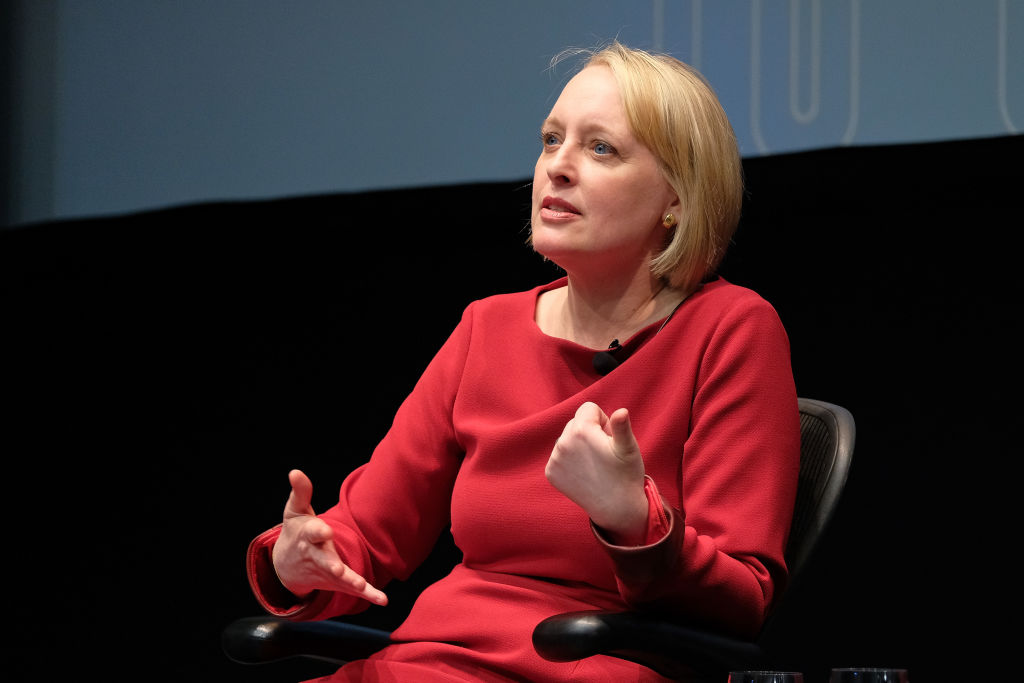
NEW YORK, NY – MARCH 09: Accenture, North America Chief Executive Officer Julie Sweet speaks onstage during Fortune’s 100 Best Companies To Work For event on March 9, 2017 in New York City. (Photo by D Dipasupil/Getty Images for Fortune)
“One question that we ask everyone, regardless of if you’re a consultant or you’re working in technology…we say: ‘What have you learned in the last six months?’ A lot of the time people are asking me, ‘how do I know if someone’s a learner?’ And it’s a very simple way to know. If someone can’t answer that question, and by the way, we don’t care if it’s ‘I learned to bake a cake,’ if they can’t answer that question, then we know that they’re not a learner.”
Martin joins the Purpose 360 podcast along with the CIO of IBM, CEO of Keep America Beautiful, and the Managing Director at Lion Tree to give their predictions on the year ahead around AI growth, DEI, corporate responsibility, and more.
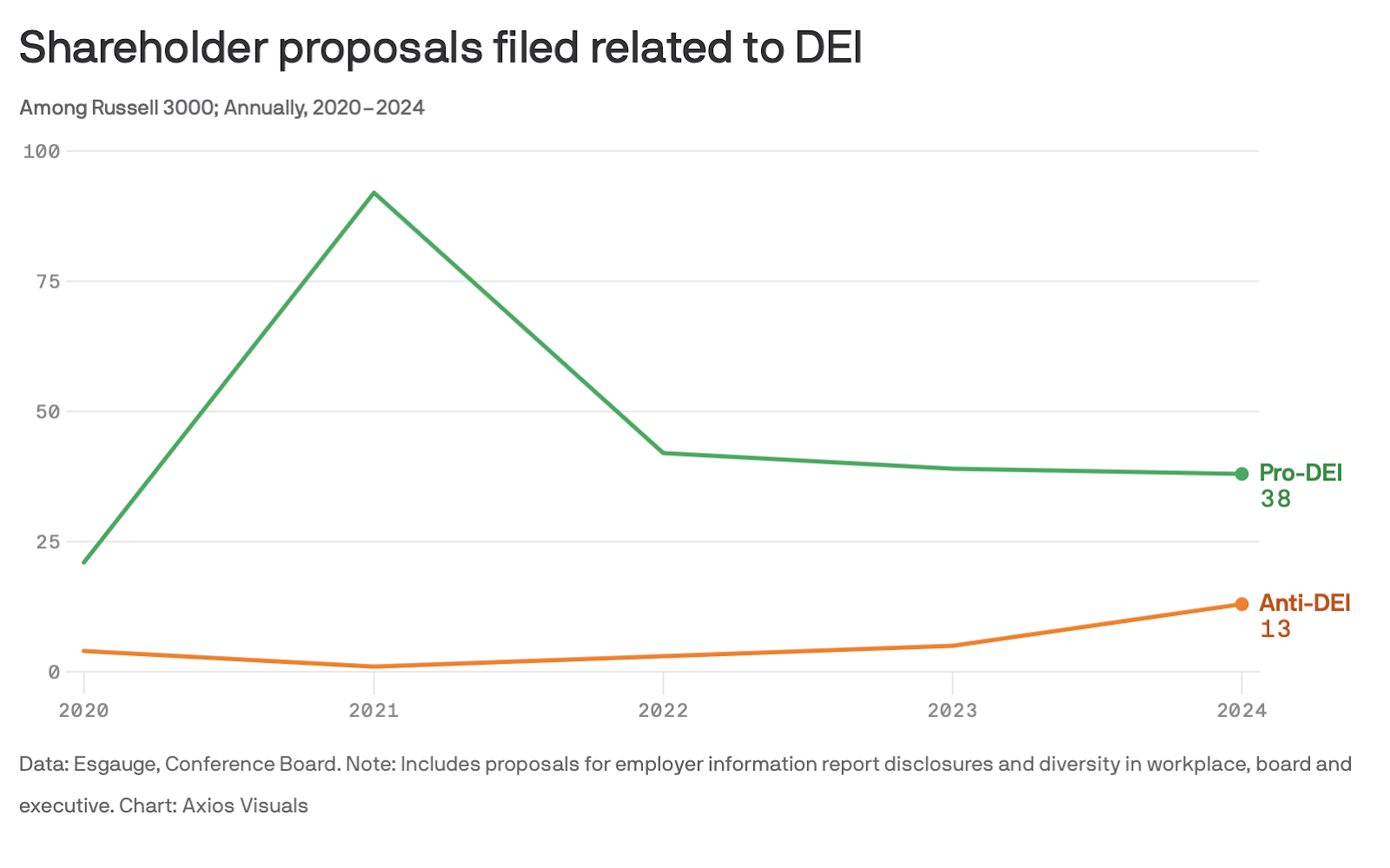
This chart comes from the latest research from Axios, and shows that anti-DEI shareholder proposals have continued to rise since 2020, with an increase over the last year. Explore more here.