Happy May Day. Traditionally a day when the world celebrates workers, this year the homophone is perhaps more apt. The American worker is, by many measures, sending up a distress flare. Job satisfaction has fallen to the lowest level in the 12-year history of the New York Fed’s survey. Wage growth expectations are down. Entry-level hiring is low as Gen Z competes with AI to get a foot on the first rung of the ladder.
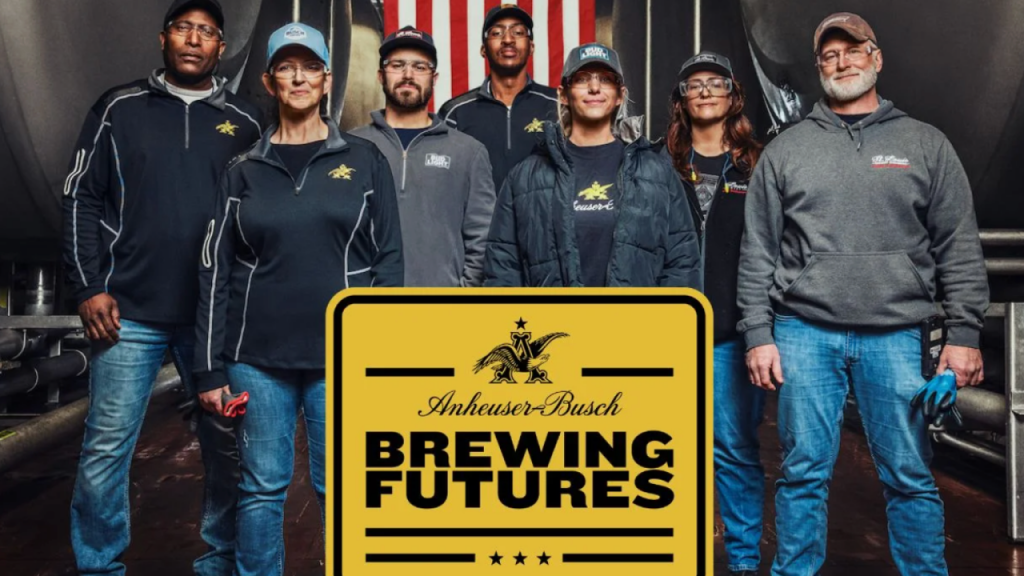
But it isn’t all doom and gloom. Against the steady drumbeat of AI-driven layoff announcements, some companies are taking a different tack. This week, Anheuser-Busch announced a $600 million investment in U.S. manufacturing operations, including 15 new technical skills training centers and an expanded commitment to hire veterans transitioning into manufacturing careers. Microsoft recently expanded its partnership with North America’s Building Trades Unions, launching no-cost AI literacy courses and credentials for millions of skilled craft professionals. Meanwhile, Citi is rolling out a new centralized AI operating system that allows their 180,000 employees to securely build agents that help them augment their work and AstraZeneca has certified 17,000 employees in AI competencies.
Our research indicates these kinds of investments can pay off. As of April 28, Just Capital’s Workers Leaders Index, which tracks companies that best meet the American public’s expectations on how they support their workforce, has outperformed the Russell 1000 equal-weighted index by 37% since December 2021. And our Workforce Advancement Leaders Index, which tracks companies with strong training programs, tuition reimbursement, high retention, and high internal hiring rates, has outperformed the same benchmark by 22% over the same period.
The companies investing in new skills and career pathways recognize that trust and engagement can translate into competitive advantage as the AI economy takes shape. I’ll be in Chicago next week speaking at the Win-Win Summit with Covista CEO Steve Beard on exactly that topic.
Be well,
Martin
Fortune reports that an NVIDIA executive has warned the infrastructure and compute costs of AI actually exceeds human labor costs, challenging the idea that companies can automate human work.
The Wall Street Journal reports that OpenAI has fallen short of key revenue and user growth goals as it pushes toward a potential IPO, with the company’s CFO questioning massive data center spending.
Fortune reports that executives and boards are divided over who should control AI strategy, reflecting governance confusion as the technology becomes central to business operations.
Bloomberg reports that Meta is preparing to cut around 10% of its workforce and close 6,000 open roles as the company pushes for AI-driven efficiency.
MSN reveals that nearly 40% of Americans do not have a retirement account.

This chart comes from our recent AI polling, and shows where public and investor perceptions align and diverge when it comes to workforce support, as well where company action is taking shape according to corporate leaders.

Yesterday, I shared a Q&A I recently had with Steve Beard on LinkedIn. Steve is CEO of Covista, which recently completed a transformation into America’s largest healthcare educator. It’s a fascinating story that got me thinking more broadly about what distinguishes leaders who successfully navigate profound transformation. The news that Enrique Lores has been named CEO of PayPal and The HOW Institute’s annual release of their State of Moral Leadership in Business report added more food for thought on this increasingly critical topic.
Enrique received our inaugural JUST Capital Lifetime Achievement Award last year for his exceptional leadership at HP Inc. During his tenure, he guided the company through a fundamental strategic transformation while consistently investing in workers, customers, and communities. I have confidence he’ll do the same at PayPal.
What do Steve and Enrique have in common? Both understand that transformation and stakeholder investment aren’t competing priorities, they’re mutually reinforcing.
Covista sits at the intersection of workforce, health, education, and technology. When I asked about Covista Open Doors, their new initiative to expand access to healthcare careers, Steve went straight to the heart of it. “We train and develop the folks that care for all of us,” he told me. “And we’ve got an opportunity that we believe is too good and too important to pass up.”
Enrique operated with the same philosophy at HP. At our flagship Best of American Business event last year he shared his conviction that “…business success and social responsibility are not separate pursuits. They are deeply connected.”
Both leaders also embody authentic leadership grounded in personal experience. Steve, a first-generation college graduate, told me that creating opportunity for historically excluded populations is simply part of who he is. Enrique started at HP as an intern nearly four decades ago, inspiring his commitment to workforce advancement and long-view leadership.
The HOW Institute report demonstrates how rare this kind of human, stakeholder-first leadership may be but also how vital it is to the process of transformation.
Be well,
Martin
The New York Times surveyed prominent technologists, economists, and philosophers and found deep disagreement over whether AI will ultimately expand opportunity or accelerate inequality. They also put out a separate opinion piece featuring three economists debating the impact AI is already having on the economy.
Fortune reports that Citigroup CEO Jane Fraser is pushing an employee training initiative across the organization to reskill their workforce with AI tools before automation reshapes people’s roles.
Axios examines why employees aren’t buying the hype for AI the same way their employers are.
The Washington Post reports a widening labor gap as demand for electricians, plumbers, and skilled trades grows while white-collar hiring slows..
Fortune finds more employers abandoning performance-based raises in favor of flat, across-the-board increases — a move meant to more broadly retain workers.
Bloomberg reveals that CEOs are increasingly anxious about economic slowdown, geopolitical instability, AI backlash, and workforce morale with fewer leaders confident they can manage multiple risks at once.
HR Dive highlights new research showing that replacing an employee now costs employers more than $45,000 on average, strengthening the business case for retention.
The Wall Street Journal reports that The Washington Post is laying off about one third of its workforce as digital subscription growth slows and legacy media companies continue to struggle with advertising and audience fragmentation.

A KFF Health Tracking Poll finds health care costs, expiring ACA tax credits, and insurance affordability are top voter concerns, particularly with many companies having to alter their health benefits due to rising prices.

President Trump’s proposal to eliminate quarterly earnings reports touches on a fundamental issue for many interested in the future of capitalism: how to embrace longer-term thinking while providing sufficient transparency (especially for retail investors), performance discipline, and market accountability.
The evidence for taking a more long-term perspective is powerful. According to FCLT Global, 90% of executives agree longer time horizons would improve performance, and companies able to do so outstrip competitors in revenue, earnings, and job creation. Business Roundtable has consistently emphasized that long-term thinking is essential for superior business performance and sustainable value creation. Warren Buffett and Jamie Dimon have also argued that quarterly pressures create “an unhealthy focus on short-term profits at the expense of long-term strategy, growth and sustainability.”
One factor to keep in mind is that public demands for more corporate transparency are going up, not down. Our polling shows “communicates honestly and transparently” has risen to become a top 5 issue for the majority of Americans regardless of demographic or political association. In today’s low-trust environment, reducing reporting could backfire.
One solution may be to change what is reported. In their 2018 op-ed, Buffett and Dimon argued that earnings reports should continue as they “support being open with shareholders about actual financial and operational metrics.” What they proposed to eliminate was forecasting or guidance on future quarterly earnings. Doing so would “strengthen the U.S. economy, benefit America’s workers, shareholders and investors, and leave a generational legacy we can be proud of.”
What if we expanded that concept to report more holistically on other forms of stakeholder value creation, such as performance on workforce training; well-being and human capital advancement; investments in local communities and suppliers; improvements in customer satisfaction and privacy protections; progress on AI safety? Could be a win-win for long-term thinkers and transparency advocates alike.
Be well,
Martin
Semafor covers Eliezer Yudkowsky and Nate Soares’s new book “If Anyone Builds It, Everyone Dies”, which argues that nearly everyone will be harmed or destroyed if AI systems continue to be built under the current paradigms.
Meanwhile, CNBC covers OpenAI CEO Sam Altman’s remarks to Tucker Carlson that he’s been “losing sleep” over small model decisions that can have big repercussions.
Fortune speaks to several high-profile CEOs who think that AI innovation will spur 3-day work weeks for many Americans.
Anthropic released data showing that some companies are eliminating entry-level roles altogether.
Fiverr’s CEO announces layoffs and a plan to return to a “startup mentality” as they pivot to being an “AI-first” company. View the full LinkedIn post.
Can AI actually help us reduce our energy consumption despite the costs to run it? The Director of the Energy, Climate Justice, and Sustainability Lab at NYU thinks so. Read the Wall Street Journal op-ed here.
Fortune confirms that many CEOs are using RTO mandates to trim headcounts without having to order actual layoffs.
Business Insider reports that many Americans aged 80 and older who retired from well-paying jobs are now accepting low-paying roles — retail, caregiving, or service positions — to supplement social security and make ends meet as prices rise.
The Wall Street Journal looks at how companies are handling the calls to fire employees based on their social media posts around Charlie Kirk’s death.
Yahoo Finance reports that Ben of Ben & Jerry’s is resigning after 47 years due to parent company Unilever trying to silence the brand’s activism.
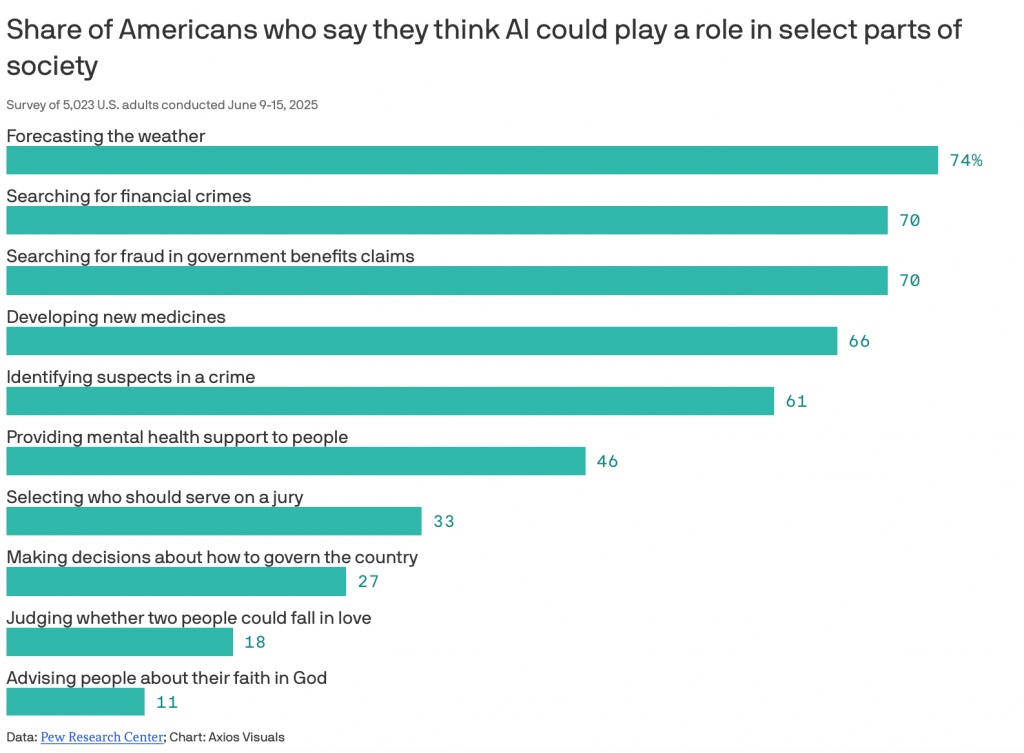
Axios reports on new Pew Research data that shows Americans are setting boundaries for what they think AI should be involved with and what it shouldn’t.

“Particularly with middle- and lower-income consumers, they’re feeling under a lot of pressure right now.”
That worrying statement comes from McDonald’s CEO Chris Kempczinski, who earlier this week sat down with Fortune for a conversation on the state of the business. Going further, he relayed that traffic among these demographics is down double-digits, with low-income consumers skipping breakfast in particular.
Other indicators are also concerning. This week brought a dismal jobs report (the first time in four years the economy lost jobs). A new Federal Reserve Bank of New York poll shows that people’s confidence in their ability to find work if they lose their job is the lowest it’s been since they started polling in 2013. They also suggest lower-income households have already begun to change their shopping habits to withstand economic uncertainty.
How are companies responding to help their less well-off customers?
McDonald’s itself is currently cutting prices on certain food combos and offering limited time deals to help customers feeling the pinch. Other chains are making similar attempts,such as Domino’s recent “Best Deal Ever” promotion, which offered any pizza toppings for $9.99.
Other industries are also following suit. FanDuel gave $80,000 to restore Philly’s Septa train service for the Eagles’ season opener after the city officials said it would have to cut express service thanks to budget shortfalls. Grocer Aldi cut prices on 400 everyday items over the summer to offset rising food costs; energy companies (including Eversource) provide eligible customers with up to a 50% monthly discount on their electric bill and flexible payment plans; and earlier this year Target dramatically expanded their healthcare products under $10 to make health and wellness purchases more budget-friendly.
As more and more Americans become squeezed financially, we will surely see more efforts by just companies to ease the pressure.
We will be tracking them.
-Martin
The Washington Post reports that Anthropic (creator of the Claude AI model) has agreed to a history-making $1.5 billion class-action settlement with authors and publishers for allegedly downloading millions of books without permission — marking a notable legal precedent in the ongoing clash between AI development and creators’ rights.
Fortune reveals that the average employee age at tech companies has increased by five years as AI-enabled entry-level job cuts reshape their workforce.
Taco Bell is scaling back their use of AI after the technology led to worse problems with customer ordering compared to human employees.
Former Just Capital board member Dan Hesse discusses authentic leadership as a key way to unlock business value on The Mentors Radio podcast.
The Wall Street Journal reports that health insurance costs for employers are rising more than they have in 15 years, stunning small businesses in particular.
Business Insider looks at how the attempt to crack down on Elon Musk’s pay backfired spectacularly and what lessons can be learned going forward.
Newsweek examines how job changing is dwindling as workers find it harder to secure higher pay at a new company.
Following the removal of their new logo, Cracker Barrel is officially ending all of its restaurant remodels to respond to consumer backlash. Fortune has the story.
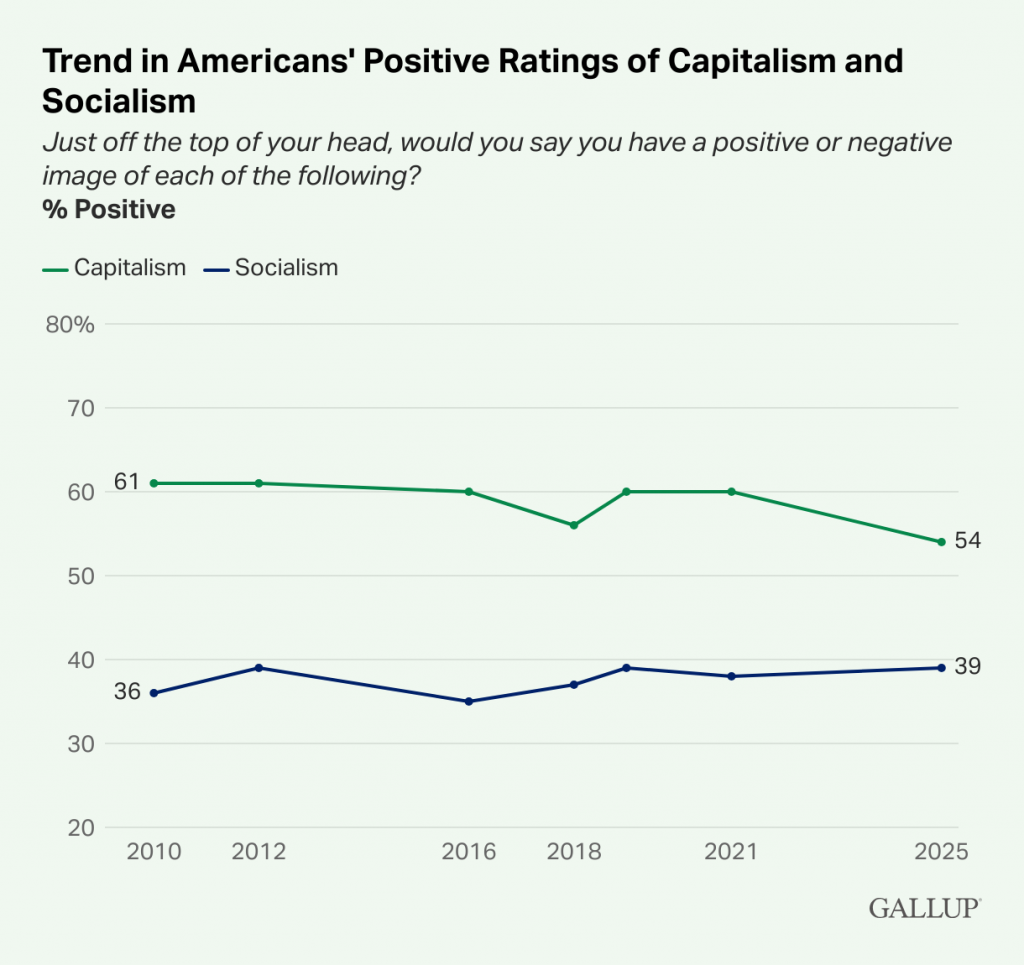
Gallup reveals that only 54% of Americans have a positive view of capitalism, down from 60% in 2021.

Last week, we explored how internship programs can deliver real business value when done right. This week, I’m putting our money where our mouth is by sharing findings from one of our own summer intern projects: an analysis by Sofia Maria Giorgianni that reveals crucial insights about how America’s most just companies are approaching AI workforce development.
Sofia’s research couldn’t be more timely. Our polling shows that AI is a critical issue to the American public with 70% of respondents agreeing that CEOs have a key role to play in the ethical use of AI, and Americans consistently rank worker advancement and training as a top issue. As AI reshapes the private sector, a critical question emerges: How are companies investing in their workers to ensure they can thrive in an AI-powered future? The answer, according to our data, is encouraging.
Among the 2025 Just 100, 84% of companies mention AI in their disclosures, yet only 20% specifically disclose AI talent development initiatives. This represents both a challenge and an opportunity. The companies leading the way – including Salesforce, Constellation Energy, Boston Scientific, Visa, and The Hershey Company – span 13 different industries, showing that AI readiness isn’t just a tech sector concern.
Interestingly, companies with AI training initiatives tend to rank higher overall in our Rankings of America’s Most Just Companies while those without such programs skew toward the bottom. This suggests a link between future-readiness and just business behavior. Companies that invest in their workers’ AI capabilities are often the same ones excelling across other stakeholder dimensions.
Sofia’s work demonstrates how fresh perspectives can illuminate critical business challenges. Her proposed AI talent development metric will help us track – and encourage – this emerging dimension of corporate performance going forward.
Be well,
Martin
Fortune looks at how AI is already flattening organizational structures, removing managers and distance between staff and the C-suite.
The New York Times reveals 21 ways people are using AI to cut down their workloads.
AI startup Perplexity makes a $34.5 billion dollar bid for Google Chrome’s browser. Bloomberg has the story.
Pew Research Center finds Americans remain split on whether companies should issue public statements on political or social issues — roughly half view them as important, but opinions vary significantly by race and political affiliation.
The Wall Street Journal digs into the data that shows the era of big pay raises for low-wage workers is over.
The Washington Post reports that Nvidia and AMD have agreed to remit 15% of their revenue from AI chip sales in China to the U.S. government as part of an unusual arrangement tied to export licenses, sparking warnings about potential constitutional conflicts.
Axios outlines the mounting pressures on consulting firms as both AI efficiency gains and government contract cuts disrupt the traditional billable hours model.
Fortune reveals that despite CEOs across the country instituting RTO mandates, only 7% of them regularly appear in their own offices.
The New York Times explains that Big Tech’s net-zero proclamations are on shaky ground due to the massive spike in energy usage from their AI investments.

Axios examines how companies have used economic downturns to replace workers with automation and how another recession would likely accelerate businesses replacing workers with AI.
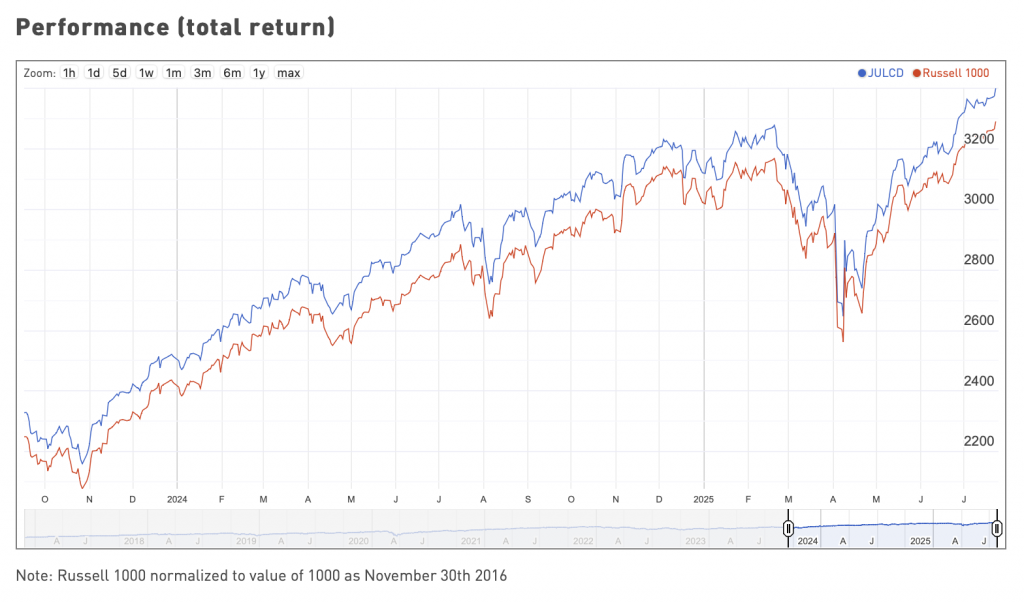
According to Morningstar, U.S. ESG funds experienced net outflows in both 2023 and 2024, reversing a decade of growth as traditional sustainability strategies face mounting skepticism. The latest data from GS Sustain also points to 23 consecutive months of outflows for North American sustainable equity funds. Amid this retreat, I’m excited to share that JUST Capital’s stakeholder-focused approach is demonstrating remarkable resilience as of June 30, 2025.
Since inception in December 2016 the JUST U.S. Large Cap Diversified Index (JULCD) has delivered cumulative returns of 231.9%, outperforming the Russell 1000 Cap-Weighted Index by 11.4 percentage points. Meanwhile, our JUST 100 Index has generated an impressive 49.7 percentage points of alpha over its benchmark, with returns of 125.7% versus 76.1% for the Russell 1000 Equally Weighted Index since March 2019.
We also see persistent outperformance at the company level. Those in the top decile of JUST overall scores have outperformed their counterparts in the bottom-decile by a remarkable 90.2 percentage points since January 2018. Notably, companies that prioritize worker investments – providing fair wages, comprehensive benefits, strong health and safety protections, robust training and advancement opportunities, and fostering inclusive workplaces – see the biggest dividends. Top-decile performers in our Worker stakeholder have generated a spread of 129.7 percentage points over their bottom-decile peers since January 2018.
Investors are noticing the opportunity. While traditional ESG investing has declined, the JUST ETF attracted net inflows in both 2024 and year-to-date 2025.
All of this is supported by our proprietary research, which points to an “efficient frontier” of stakeholder performance that varies by industry, by financial measurement, and by the underlying stakeholder issue in question. If you’d like to learn more, please reach out.
Be well,
Martin
Business Insider reports that several U.S. senators are pushing Delta for more information on their new pricing plan, which aims to use AI to set ticket prices.
Fortune looks at how the overwhelming increase of bots on the internet – accounting for 50% of all internet traffic last year – is poised to become more of a problem as AI proliferates. More inside.
Bill Gates, Steve Balmer, and others are putting $1 billion over the next 15 years into “AI for good” to support people who work in undeserved jobs like parole officers, social workers, and more. The American Bazaar has the story.
The Wall Street Journal looks at the growing number of technology companies aiming to upend food delivery with AI powered robots.
Fortune reveals that researchers from top AI companies are warning that they’re losing the ability to understand how their AI is thinking.
The New York Times examines how the immigration crackdown is straining the caregiving industry, particularly senior centers in the U.S.
GM’s profits shrank by $1.1 billion due to tariff impacts. The Wall Street Journal has the story.
Inc. looks at the pushback Starbucks is receiving from its new RTO mandate – which would ask many of its corporate employees to relocate to Seattle or Toronto within 12 months.
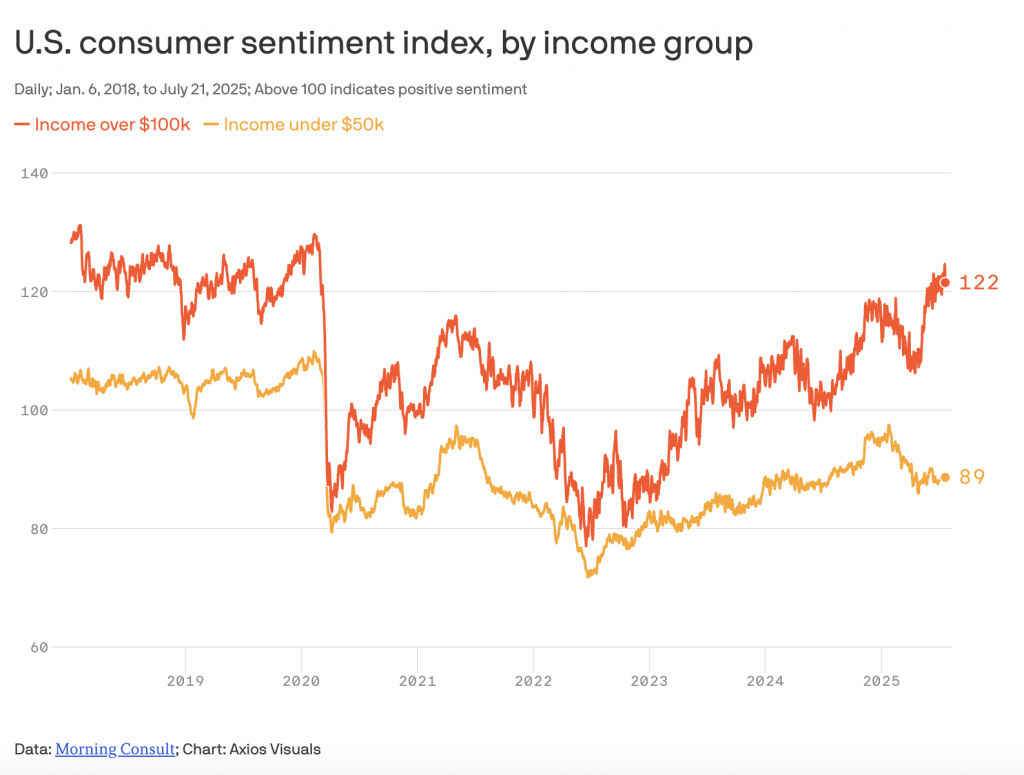
Axios looks at the growing sentiment gap between rich and poor Americans and finds the divide growing wider than it has in many years. Explore the findings here.
