Axios and Harris Poll’s 2025 reputation rankings landed this week, concluding that prices – not politics – are now driving corporate reputations.
This finding resonates with our own research. In 2024, we saw significant amounts of alignment across demographics. For the first time in our polling history, we saw fair pricing – which respondents describe as “pricing in line with … value and quality” and companies avoiding “price gouging or excessive price increases” – emerge as a significant bipartisan issue. Interestingly, of the 2025 JUST 100 companies included in the Axios/Harris Poll rankings, the coverage is even; nine are classified as non-partisan, three lean “blue” and two lean “red”.
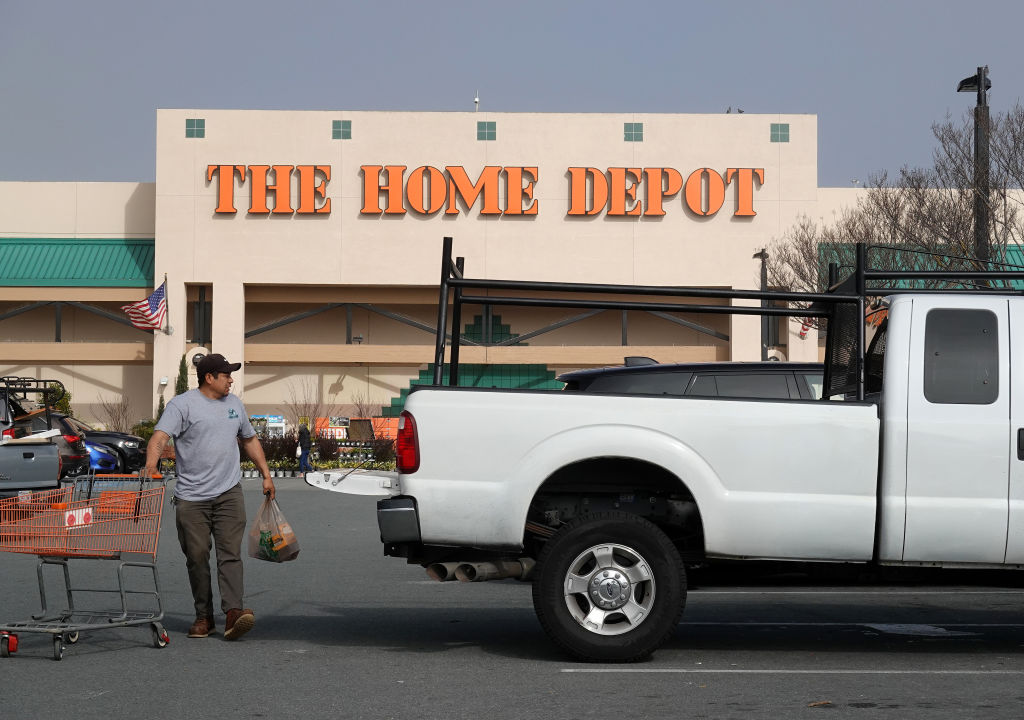
Given today’s cost of living, this should not be surprising, and companies are already responding to the call. Home Depot recently announced they are not planning to raise prices due to tariffs, but shared that some products may no longer be available as a result. During recent egg shortages, Trader Joe’s – the top company on Axios and Harris Poll’s list – was able to keep prices low by working directly with suppliers and focusing on product selection.
Serving customers through greater transparency and fairness is also very much in line with financial performance. Updating our figure from last week – as of May 27, 2025 our Customer Index has outperformed the Russell 1000 Equal Weighted benchmark by 4% since inception in December 2021.
When companies master the basics of treating people fairly, offering good value products and serving all stakeholders, Americans are ready to reward them, regardless of politics.
Be well,
Martin

“Don’t waste a good crisis. My most favorite leadership roles are ones that I’ve been leading through transformational change and market volatility.”
Mashable reports that the congressional budget bill has a special provision that would ban states from regulating AI for the next decade.
Fortune discusses the claim from a current LinkedIn exec that AI is already starting to “break the first rung” on young peoples’ career ladder, with many companies automating much of the work that new graduates did to break into tech, law, and other professions.
Meanwhile, the New York Post highlights how much of Gen-Z is pivoting to trade work amid AI uncertainty and the extreme rising cost of college.
Axios sits down with Anthropic CEO Dario Amodei who says we’re not taking the job loss implications seriously enough, and there is a possibility that AI wipes out “half of all entry level jobs.”
Debates continue over two versions of a “no taxes on tips” bill up for votes in Congress. The Washington Post shares concerns that this change would encourage restaurants to keep base wages artificially low. Vox concurs, saying that “tipped workers need a raise, not a tax break.”
When it comes to overtime, legal firm Jackson Lewis sees the potential for employers to “restructure compensation to provide employees more take-home pay without incurring higher payroll costs by reducing pay for non-overtime hours and permitting more overtime work that is tax-free — a win for employers and employees.”
Fox News released an op-ed stating that no taxes on overtime is actually the far more important bill with a greater impact for working people, despite receiving less press.
Pew’s latest polling shows support for stricter environmental regulations outweighs opposition in a majority of states.
As layoffs across tech continue, Meta announces plans to rate more employees “below expectations” to make culling easier.
Despite rolling back many Covid-era perks for their employees, The Financial Times seems to think that Covid-era benefits bestowed on C-suites are here to stay.

Axios reveals new data that shows that 77% of Americans think companies are moving too quickly on AI, and would prefer delaying breakthroughs to avoid potential catastrophic mistakes.
“One lesson of the backlash [to ESG] is that executives must anchor their actions more firmly in a business case”. So wrote Andrew Edgecliffe-Johnson in this week’s edition of the always-insightful Semafor CEO Signal newsletter. He’s 100% right. I have been talking to CEOs, executives, and corporate board members over the last few weeks about how they see stakeholder matters in the current climate and this is a universal position.
On environmental issues, the case for leadership is compelling, especially as the potential for reshoring accelerates. Our polling shows the public supports the creation of more jobs in the U.S. At the same time, Americans across the political spectrum value clean air, water and soil. A majority is worried about the impacts of a changing climate. As one of our focus group participants (Republican, male) put it, “If [companies] post record profits, but pollute a river or lake, those profits come from the public.” The very definition of an economic externality, in other words.
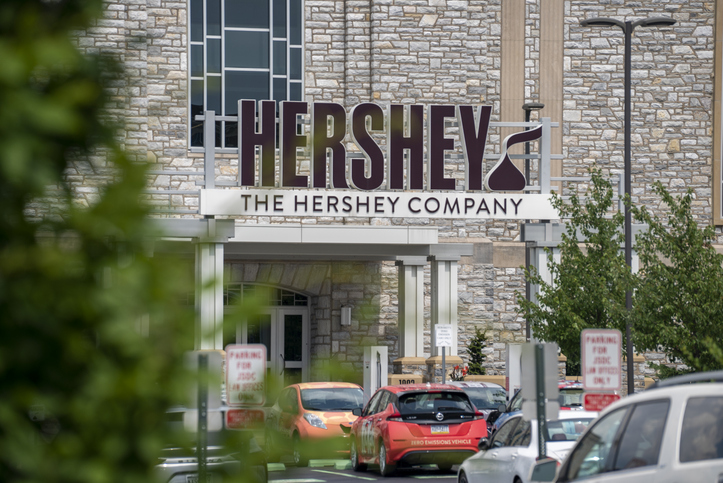
Safeguarding the health of our natural environment becomes particularly critical for businesses seeking to reshore manufacturing activities. Hershey’s commitment to reduce water usage by 20% at priority sites in water-scarce regions will reduce the company’s operating expenses and support the future sustainability of its domestic manufacturing capacity (which was already at 70% prior to a $1 billion announcement to boost its supply chain in Pennsylvania through 2026). The recent announcement by Microsoft (#1 on Environment in our 2025 Rankings) of a $3.3 billion investment in Wisconsin for cloud computing and AI-infrastructure will require the company to surpass its already industry-leading efforts on water conservation and energy efficiency if it’s to meet its target of becoming carbon-negative, water-positive, and zero waste by 2030.
Other companies leading in Just Capital’s assessment of environmental performance
include Aptiv (Automobiles & Parts), Graphic Packaging Holding Co. (Industrial Goods), Hewlett Packard Enterprise (Computer Services) and Johnson & Johnson (Pharma). To Edgecliffe-Johnson’s point, the business case here is clear. As of April 14, 2025 Environment Leaders have outperformed the Russell 1000 Equal Weighted Index by 5.6% since inception (December 31, 2021). As domestic manufacturing grows, so the opportunity for real innovation in protecting domestic natural capital also grows.
Be well,
Martin
“And what I said…we’ve been in business for over a century. Political winds blow in all different directions, particularly when you operate in almost 150 countries. But there are fundamental truths that have guided this company for 98 years: We welcome all to our hotels, and we create opportunity for all at our company…the next day I got 40,000 emails from Marriott associates around the world just saying, ‘thank you’.”
– Marriott CEO Anthony Capuano speaking to Fortune about the statement he made on Trump’s sweeping changes to DEI and the response it garnered from his employees.
Johnson & Johnson is changing its AI strategy after learning only 10-15% of AI test pilots it had created were creating 80% of the value. The Wall Street Journal has more.
Goldman Sachs investors have nixed several anti-DEI proposals presented at the latest shareholder meeting. Bloomberg has the story.
HR Dive reports that $100k is no longer a high enough salary for a family to meet their basic expenses in 25 of the top cities in the U.S.
Layoffs incoming. Volvo is set to cut 800 jobs, and Intel is preparing to let go of nearly 20% of its workforce. At the same time, according to Fortune, senior leadership is already beginning to feel the effects of cuts to middle management.
CNBC reports on a new Harvard study that shows 42% of Americans under 30 are “barely getting by” financially.
Despite claims that manufacturers would benefit most from Trump’s tariffs, Axios summarized the recently released “Beige Book”, indicating that ongoing uncertainty limits confidence amongst the industry’s leading businesses.
Proctor & Gamble CEO also cited uncertainty, when he announced on CNBC that price hikes for consumers are expected in the next fiscal year.

This chart comes from Axios, and has interesting implications for the healthcare industry. Gen Z is increasingly leaning on friends and family for medical advice as opposed to doctors or online searches. Learn more here.
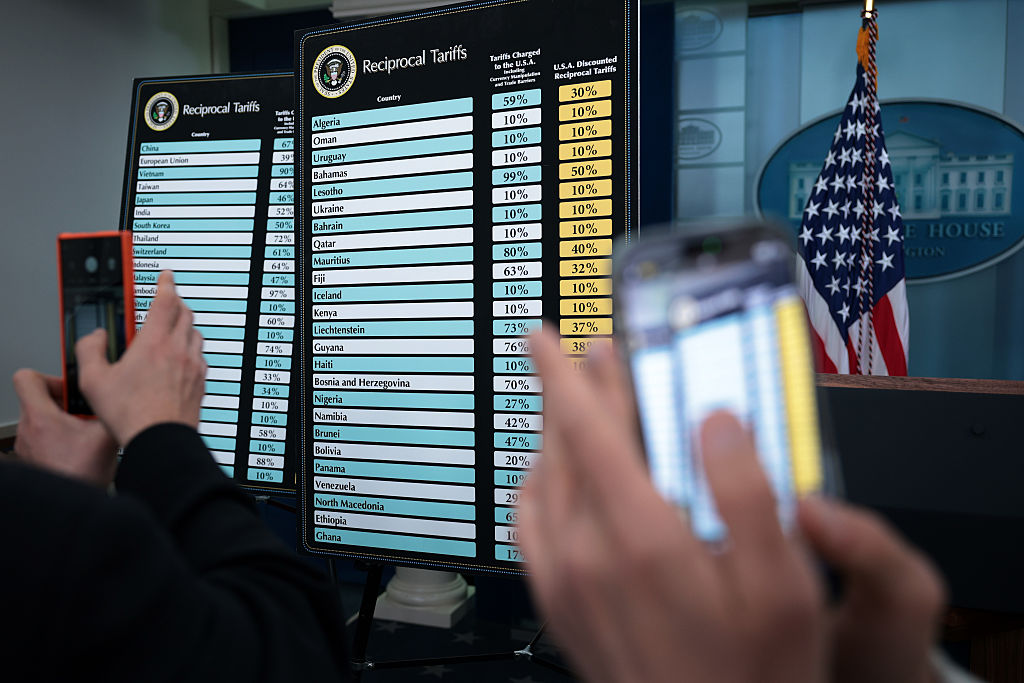
Regardless of how the market rollercoaster we’re on plays out, the global economy is clearly being fundamentally reshaped. According to many commentators, the possibility of a recession or worse in America and around the world is still real. If tariff-induced inflation gets introduced to the mix, it’s a double whammy for households. And if it accelerates AI adoption, as some think, the pain for workers could compound.
I’ve spent much of the week thinking about what all this means for Just Capital. The argument – captured in this comment by Scott Bessent – that this is all being done to benefit Main Street after decades of neglect warrants careful scrutiny. History teaches us that dislocations invariably tug at society’s fault lines and hit the economically vulnerable (i.e., Main Street) the hardest. Maybe this is different. Overall though, I’m coming to the (admittedly self-serving) conclusion that it makes just company behavior more important, and increases the performance dividend of stakeholder leadership.
Consider this: In the last major market shock during Covid, the most just companies outperformed their peers. From January 31, 2020 through the end of May 2023 the broad based JULCD (the “Just 500”) beat the Russell 1000 by a little over 1% and the Just 100 was up 11.8% over its benchmark. More highly ranked companies also displayed more resilience than their lower ranked counterparts when Covid hit, responding to worker and customer needs more effectively, and bouncing back faster.
Although the current tumult is driven by altogether different causes, I expect just leaders to similarly outshine their rivals (as our index track records suggest). Companies that excel in creating value for all their stakeholders possess greater brand strength, are more long-term growth oriented, prioritize productivity and innovation (including via technology), and are better at attracting and retaining the best people. They have strong cultures, care deeply about their customers, have tighter relationships with local communities and suppliers, and are more adept at navigating social and environmental matters. When market shocks happen, these companies are invariably better positioned. Walmart’s successful customer loyalty program was cited this week as a reason why the company may be more recession-resistant than others (see below for other examples).
Call it what you want – multi-stakeholder capitalism, just capitalism, better capitalism – it’s the kind of leadership that will stand companies in good stead in times of great uncertainty. It’s also the best chance we have of building a better future for America.
Be well,
Martin
Reactions from Trump’s tariffs have run the gamut across companies and investors. Here are just a few from the week.
Ford says they’re “not sweating”, as 80% of their cars are assembled in the U.S., and they’re working with the administration to “help grow jobs here” to assemble even more on U.S. social.
JPMorgan Chase CEO Jamie Dimon responded to the tariffs in his shareholder letter, saying that “the quicker this issue is resolved, the better”.
Levi’s CEO Michelle Gass assembled a task force to figure out potential options for dealing with the impact of tariffs, saying that any price hikes the company makes will be “surgical”.
Walmart is suspected of being more resilient thanks to its growing “Walmart +” program, which drove nearly half the total spend on the company’s website last year. The subscription service could give Walmart a buffer on raising prices.
Outside of specific companies, CNBC created a round-up of thoughts from several top investors and CEOs (some anonymous) on the impact of the tariffs. The BBC also reported that right now, some workers in middle America have a more positive opinion of the tariffs than business leaders.
Lego proceeded with the opening of a new production complex in Vietnam, reportedly undaunted by tariffs against U.S. trading partners.

(Getty Images/ Kayla Bartkowski)
“For the last four decades, basically since I began my career in Wall Street, Wall Street has grown wealthier than ever before, and it can continue to grow and do well. But for the next four years, the Trump agenda is focused on Main Street. It’s Main Street’s turn. It’s Main Street’s turn to hire workers. It’s Main Street’s turn to drive investment, and it’s Main Street’s turn to restore the American Dream.”
CNBC looks at an alarming trend for companies – scammers using bots and generative AI to pose as qualified job applicants for remote jobs, and then, once hired onto a company, installing malware and ransomware on their servers.
Fortune looks at how Atlassian has bucked the return-to-office trend of other tech companies, and in the process, tripled the size of its workforce and nearly doubled the amount of candidates who apply for open roles. Explore the tenets that make their remote workforce possible.
The Guardian looks at marketing’s role in “woke” backlash to corporate activism, saying, “the contradictions of the brand purpose era are most apparent when looked at from the view of the average person. Social progress once came hand-in-hand with economic progress. Now, instead, social progress has been offered as a substitute for economic progress.” Read the full article here.
Bloomberg reports that TikTok is becoming an even bigger bargaining chip in the growing trade war.
Fortune examines some of the strategies CEOs are starting to implement to weather the tariff storm. Yahoo Finance takes a close look at Starbucks in particular, given that the majority of their coffee is imported from some of the countries receiving the highest tariffs. Meanwhile, a small business owner takes to the New York Times opinion section to discuss pricing woes these tariffs create, stating: “Bizarrely, the U.S. government can scramble its tariff policy faster and with less warning than I can change my retail prices. I face a critical business decision and lack the minimal level of certainty to make it.”
Perhaps the most surprising result from our most recent survey was the rise in importance of ethical leadership. The American people, it seems, are craving more morality from their leaders. Doubtless many of you are immediately drawn to think about politics and government, but the importance of moral leadership in business is clearly just as vital.
What does it mean to lead with morality? Probably best to ask Perplexity or Chat GPT. The word itself derives from the Latin ‘moralitas’, meaning manner, character, or proper behavior. Applied to companies, the American people associate it with being transparent, honest, taking responsibility for wrongdoings and in a wider sense, doing right by all stakeholders. The HOW Institute for Society, founded and led by our good friend Dov Seidman, has examined the issue in great detail and comes to a similar conclusion that moral leaders seek truth, uphold ethical standards, and demonstrate humility (among other principles). In their most recent report, they highlight character and trust as being central to “outbehaving” the competition and, in turn, outperforming them, and detail a structure for measuring and scaling such leadership.
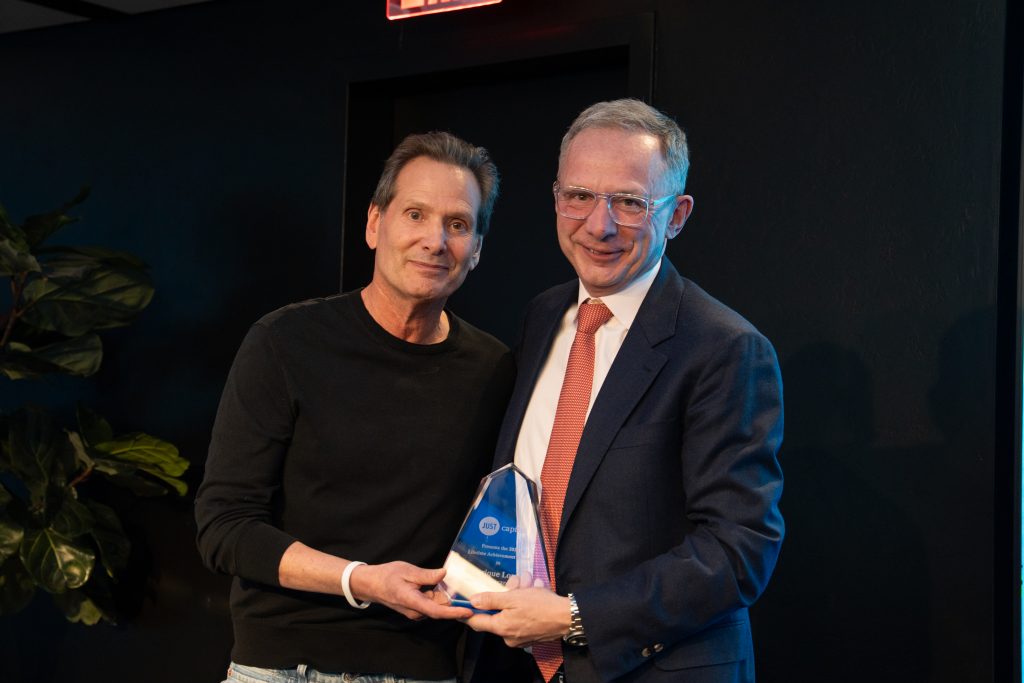
In today’s hyper-turbulent world, morality also represents a fixed point by which business leaders can navigate. Such was obvious last week, when we presented the Just Capital inaugural Lifetime Achievement Award to Enrique Lores, President and CEO of HP, Inc. Read more here. In Enrique’s words, “As business leaders, we have a choice. We can follow – or we can lead. We can react to change – or we can shape it. At HP, we are choosing to lead…companies that lead with purpose don’t just endure. They thrive.”
Just leaders have this philosophy in common: they serve a set of consistent, foundational values that guide them over the long term, through good times and bad, through fair weather and foul. We hope you are as inspired by Enrique’s leadership as we are.
Be well,
Martin
PS. If you’re looking for an exploration of morality in a modern context, I’d recommend the BBC’s Moral Maze podcast (it has grappled with morality in business many times).

Mar 27, 2025 12:00 PM
In today’s rapidly changing environment, both investors and consumers are applying new criteria when evaluating companies and their leadership. What do Americans expect from business leaders right now, and how are these expectations reshaping corporate priorities and investment decisions?
Join JUST Capital, alongside Potential Energy, for an exclusive, data-driven discussion that bridges the gap between public sentiment and business strategy, delivering actionable insights based on extensive research with investors, consumers, and market leaders.

(Photo by Adam Hamer)
“When corporate leaders prioritize responsible investment for all stakeholders, like job creation, workforce development like veterans hiring and apprenticeships, and training programs, they contribute to addressing critical challenges such as underemployment, income inequality, and healthcare access, so fewer Americans have to rely on “Renting Tires”.
Axios reports that recent studies are showing that AI is driving a major wedge between the c-suite and employees. Why? Beyond the fears of AI job replacement, many execs are forcing employees to adopt AI tools that workers themselves find aren’t suited to the job, in many cases providing inaccurate answers that require a significant amount of time to correct. Read the full story here.
Business Insider looks at how a push to “dominate AI” across the tech industry is drastically changing the culture of a sector once known for its job security.
HR Brew unveils their DEI tracker, which is keeping a pulse on how companies are rethinking, rebranding, or rolling back their initiatives. Meanwhile, Inc. looks at why small businesses are actually having greater success with their DEI initiatives.
The Wall Street Journal reports that consumer spending is weakening across both rich and poor, luxuries and necessities, at the same time.

This chart comes from The Wall Street Journal, and shows the salary increases that were previously common with a job switch have dropped to their lowest level in years, providing little more income for most people than their current job. Explore the data here.
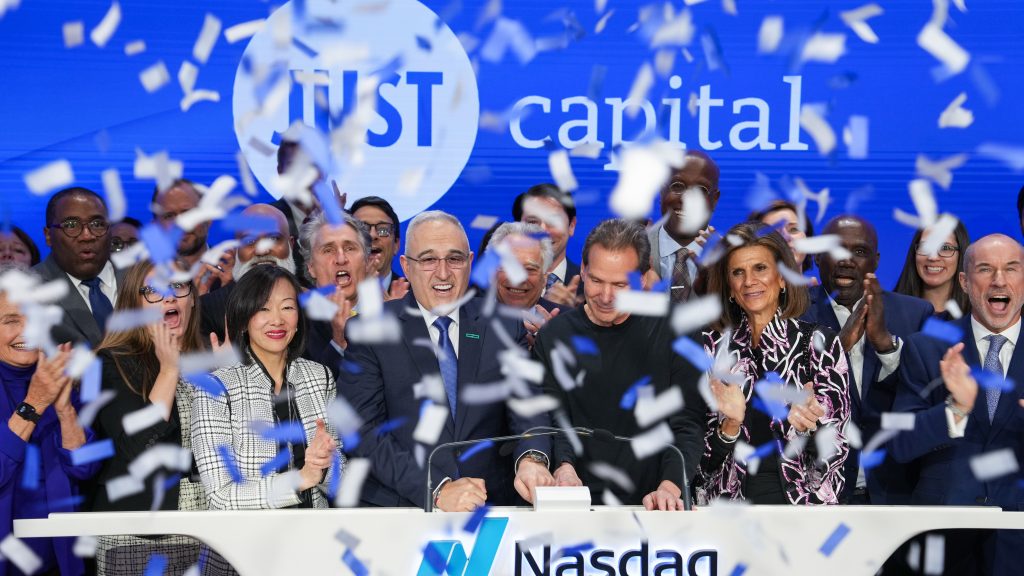
We celebrated our 10-year anniversary this week by hosting a fantastic celebration and fundraising gala at Nasdaq Marketsite in Times Square. Coming almost a decade to the day after our co-founder and former chair Paul Tudor Jones’ TED Talk in Vancouver, it was a great event that brought together some of the most influential voices in corporate leadership to mark a decade of progress by JUST, discuss current market conditions and inspire action.
JUST chair Dan Schulman and HPE president and CEO Antonio Neri, representing this year’s #1 Most JUST Company, got us underway by ringing the closing bell of the Nasdaq. The program that followed featured a lively panel discussion with Paul, former SEC chair Jay Clayton, and JUST board member and chairperson of HPE Pat Russo moderated by MSNBC’s Stephanie Ruhle; remarks from board members Sushmita Banerjee and Roosevelt Giles; a welcome from Nasdaq’s Jack Cassel; and a very moving presentation of the JUST inaugural Lifetime Achievement Award to Enrique Lores, president and CEO of HP, Inc., who personifies all that we represent.
We were joined by so many friends, donors and partners, including our incredible sponsors below. I’m still processing the key takeaways but one thing is clear; in an era of profound change, just business leadership is more important than ever. We will be stepping up our efforts, and if, like me, you believe that the private sector has a critical role to play in building a better future for everyone, we’d welcome your partnership and support.
Be well,
Martin

“For nearly 85 years, HP has been guided by a simple but powerful principle: doing the right thing by our customers, employees, and communities isn’t just a responsibility—it’s how we succeed.”
The Wall Street Journal takes a look at the dot com bubble and reveals the parallels and potential lessons for our current moment in AI.
Fortune reveals that companies are hoping that AI agents can teach people how to be better managers.
In Fortune, professor Jane Hoffman argues that corporate social responsibility is a flawed concept, when what we really need is corporate accountability. Read her full thoughts here.
The Last Vegas Sun reveals that, despite a disastrous 2024, Boeing executives received millions in bonuses.
The Washington Post reports that companies are warning investors that governmental uncertainty from DOGE cuts may impact revenue this year. Meanwhile, Fortune reports that Goldman Sachs’ chief economist just downgraded the entire U.S. economy.
The Wall Street Journal’s CEO Brief speaks to anti-DEI activist Robby Starbuck, and lays out a three-point plan to help your company build resilience to backlash.

Chief Executive reveals that CEO optimism for the year has plummeted in March due to uncertainty around tariffs and growing stock market concerns. Look at all the research here.

Reports from CNBC, Axios, Politico and others regarding recent government cuts, including 1,400 employees at the VA per Fox News, have indicated that one group in particular appears to have been particularly affected by the downsizing: veterans.
One one hand it makes sense: last year veterans made up 28% of the federal workforce, per federal data, compared to just 5% in the private sector. Cuts to federal jobs would therefore naturally affect veterans on a disproportionate basis.
But it caught my eye for another reason, namely, that in the 2025 Rankings, company attention to veterans hiring was a growing area of activity.
For example, we saw a 4.5% increase from last year in the disclosure of a veterans hiring policy (39.8% of ranked companies disclosing vs. 35.3% in 2024). This was one of the highest net increases in a corporate workforce disclosure issue across the board. At an industry level, the Utilities sector leads the way, with 81% of the industry disclosing specific actions or initiatives geared to veterans. Aerospace & Defense, with 71%, was the next most active sector. In terms of specific programs, industries performing well on hiring veterans also had higher-than-average disclosure on related opportunity-generating policies like fair chance programs, restart programs, and apprenticeships.
This year’s top company, HPE, discloses a robust veterans hiring program, alongside major initiatives in the related areas. Other standouts include Walmart, and top 10 companies Accenture and HP, Inc. Wintrust Financial Corporation has a particularly strong veterans hiring policy, highlighting recruitment programs, as well as tailored banking services and community engagements. Other banks and financial services leaders include M&T Bank and Bank of New York (BNY).
Overall, it’s a good example of an issue where private sector leadership can make a big difference.
Be well,
Martin
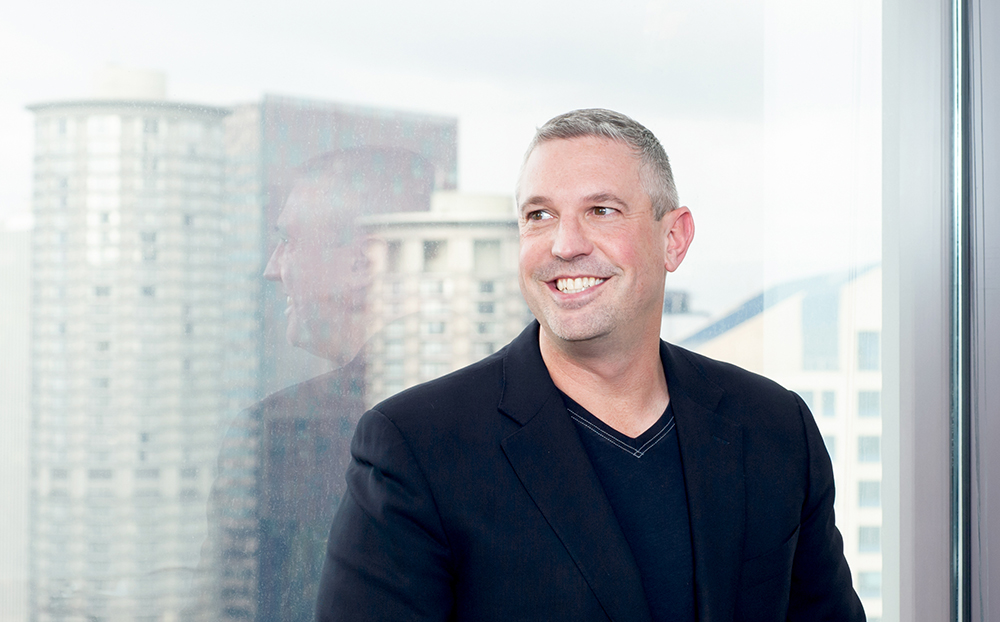
“I think that right now people are underestimating just how much the world of work is about to change. In just three or four or five years, I could be talking to agents as much, if not more than I’m talking to my human colleagues today.”
In the wake of Meta authorizing 200% exec bonus increases after laying off 5% of their workforce, Benzinga cites our 2022 polling of American workers that found 87% of Americans believe the growing difference between CEO and worker pay is a problem.
The latest episode of Planet Money, “The controversy over Tyson Foods’ hiring of asylum seekers”, utilizes the wage data we collect to tell its story.
Apple is going to be hiring 20,000 new workers to produce AI servers in Texas to avoid increased costs from Trump’s China tariffs.
The Wall Street Journal takes aim at the claim that AI data centers will be a bedrock of new jobs, showing that while government and tech leaders say they will be an “employment bonanza”, data centers need “very few workers for very large spaces”.
Fortune posits that despite all the claims of productivity boosting, one major thing is missing from the debates on AI’s workforce impact – actual worker productivity stats.
CNBC has revealed its 2025 CNBC Changemakers – the list of women transforming the world of business, featuring several execs from JUST 100 companies.
Fortune reports that Apple shareholders have rejected a proposal to end the company’s DEI program. Meanwhile, John Deere pulls a similar move, with shareholders refusing an anti-DEI proposal that would reveal worker demographic data.
Per the New York Times, Starbucks is laying off 1,000 corporate employees.
The CEO of Alcoa has warned that President Trump’s threatened tariffs on aluminum could put almost 100,00 U.S. jobs at risk. The Wall Street Journal has the story.
Bloomberg reveals that New York fathers are much less likely to take their state-available paid parental leave, leaving $1.6 billion on the table every year.
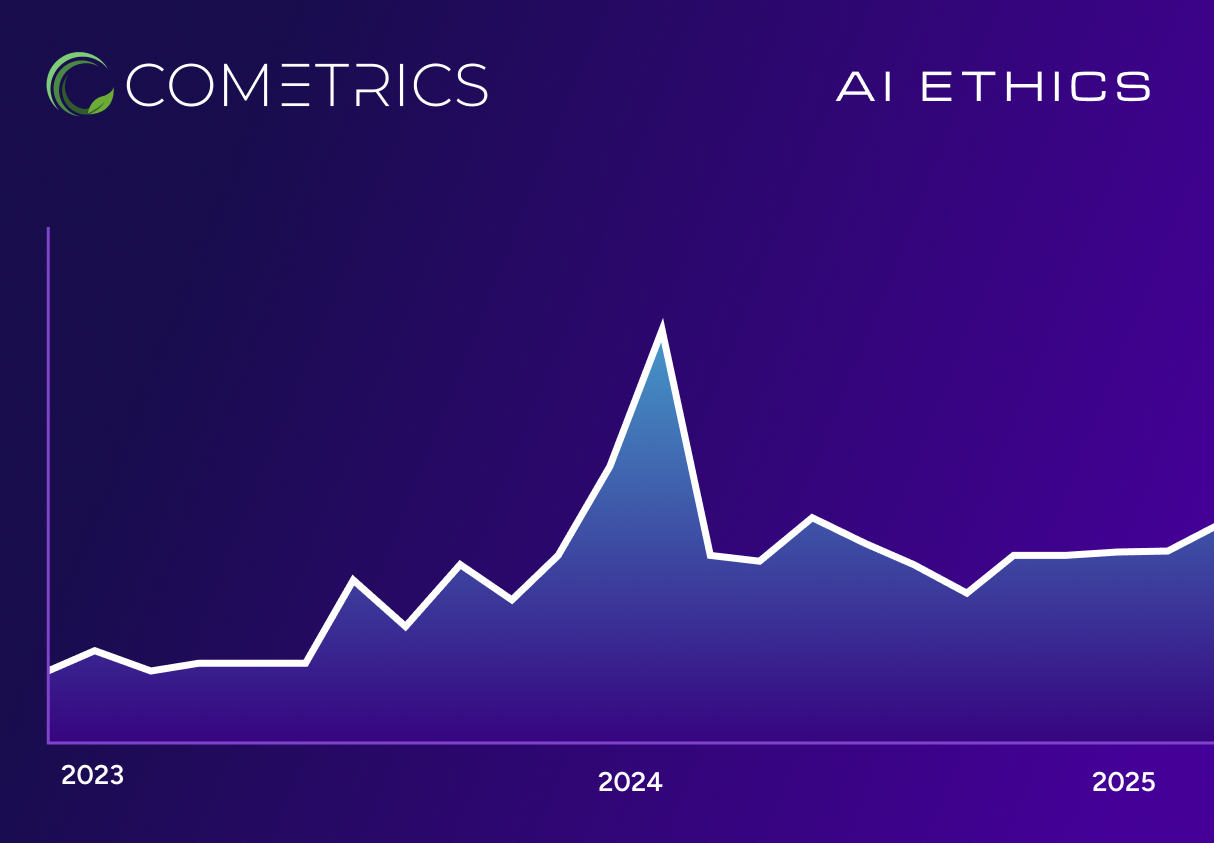
Cometrics crunches the data on LinkedIn to see which companies are actually concerned about ethics in AI and which just appear to be following a trend.
