One of the greatest challenges facing the next president, regardless of who it is, will be getting the country’s finances under control. Federal debt has spiraled over the last 8 years and now sits north of $28 trillion (99% of GDP). The 2024 budget deficit alone will be nearly $2 trillion. Interest payments already exceed defense spending and will soon surpass Medicare. If we continue on this path, the CBO predicts total debt will equal 122% of GDP by 2035.
What has this got to do with building a more just economy? Everything.
First, it feels inevitable that if and when efforts to cut government spending target discretionary transfer payments – social security benefits, support for veterans, government assistance for training and education, food assistance, children’s health programs, and such – the onus is going to be on the private sector to step up and do more, particularly for their lowest paid workers and the hardest hit communities.
Second, there’s the issue of growth. The best way to increase the Treasury’s revenue base is to spur companies to invest more in creating value for all their stakeholders, particularly their workforce. A decade of Just’s work, including our most recent Americans’ Views on Business Survey, shows this is not only what the American people want, it’s the best path to improving productivity, driving innovation, and generating superior returns for shareholders.
Finally, there is the small matter of confidence in the future. Belief in the full faith and credit of the United States government, and the health of the economic system underpinning it, is what holds everything together. History teaches us what happens when that unravels – from the third century Roman Empire to imperial Spain to pre-revolution France. It must not be taken for granted.
Just Capital’s work is critical on many levels. Safeguarding the health and wealth of future generations is at its core.
Be well, and be sure to vote!
Martin

“I think ahead of any crisis, and we’ve seen, and I’ve encouraged companies to do this, and leaders, we need to develop a framework for deciding how and when to engage. At the highest level, how does it fit with your purpose as a company? How does it fit with your values? And how does it impact your stakeholders? ”
Forbes elevates Alison Omens’ insights from Future Forward’s recent Win-Win Report in a piece about why nearly half of employees are fearful to apply for disability accommodations.
Fast Company asks business leaders, including Martin, if A.I. has a role in defining a company’s purposes, of discovering a part of “a company’s soul”? We’ll let you decide.
CNBC reports that companies are testing Microsoft’s copilot A.I., but many are stopping short of full deployment. Read why.
The American Opportunity Index was released this week, revealing the companies that are leading in creating career advancement opportunities for their employees.
The Gamer reports that despite mass layoffs (particularly on the Xbox side of the house) and recent cybersecurity issues, Microsoft CEO Satya Nadella’s will see a pay increase of nearly $30 million.
JPMorgan Chase is suing customers for exploiting a glitch earlier this year that allowed them to draw out far more money than they actually had in their bank accounts. CNBC has the story.
The Wall Street Journal reports that despite cooling inflation, most Americans are still seething over prices and looking for relief.
A new survey from Bloomberg reveals that companies may be dropping DEI language, but not the actual programs.
Chart of the Week
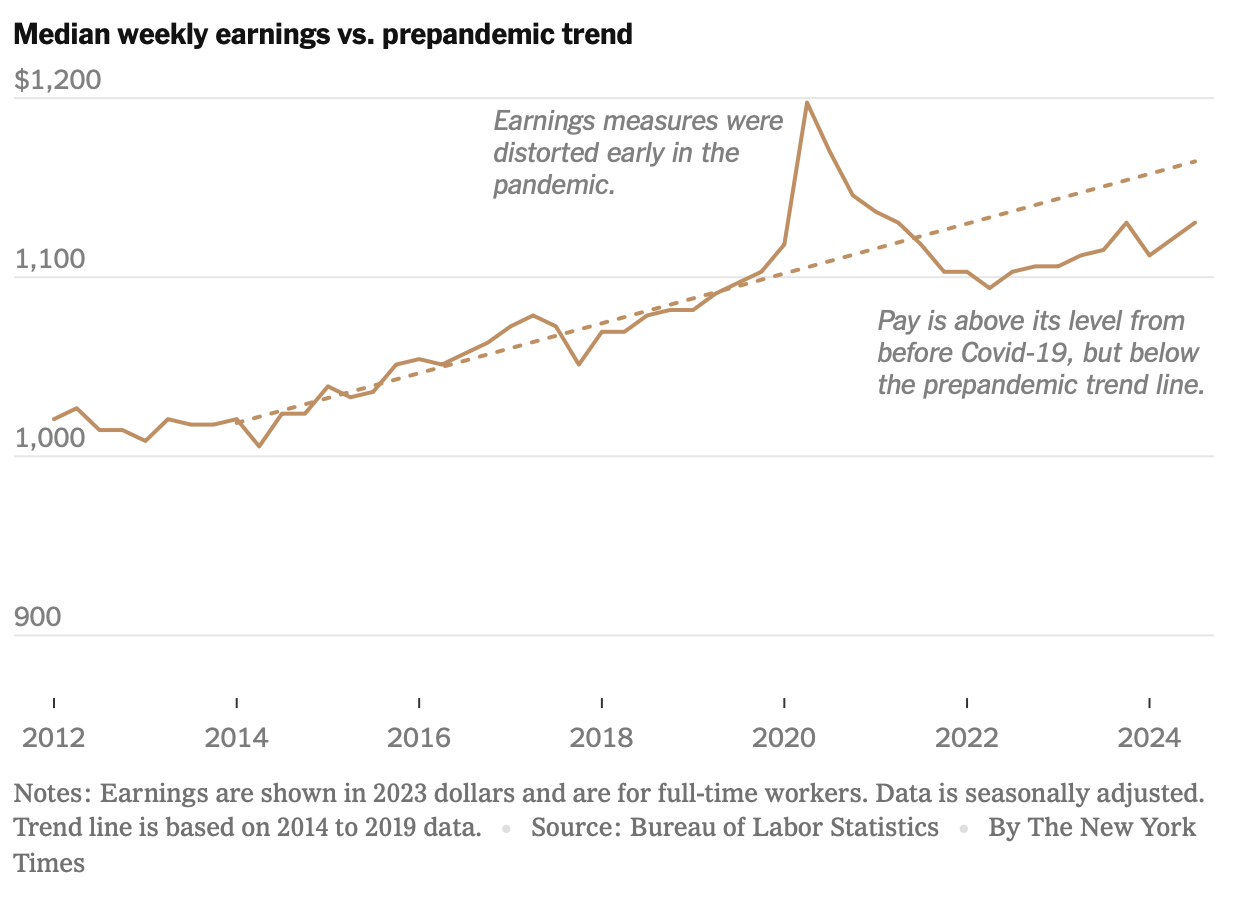
This chart comes from a New York Times story diving deep into how American’s wages have recovered (or not) across income brackets as we approach the election. Above, you can see the median weekly earnings in the U.S. compared to the pre-pandemic trendline.
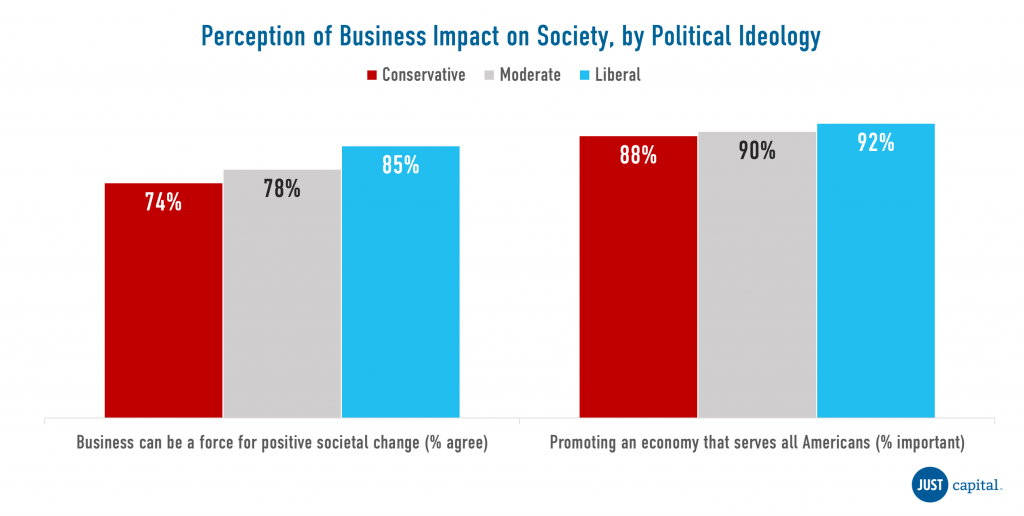
With 11 days to go until the election, Just Capital’s 2024 Americans’ Views on Business Survey, released this week, carries extra significance. Our longest running survey, it has captured how Americans – on a fully representative basis – feel about capitalism, business and society since 2015. Are we as divided on our views about the role of corporations in society as we are about politics? Which issues generate the greatest levels of public support and/or disagreement? How has that changed over the years? And how might CEOs, boards, and senior executives navigate today’s turbulent world?
What emerges from this year’s survey is surprising agreement on many issues and a clear direction for corporate leaders. Here are some highlights:
I urge you to check it out and of course, your feedback is always welcome.
Be well,
Martin
(AWS)
“If there are people who just don’t work well in that environment and don’t want to, that’s okay, there are other companies around. When we want to really, really innovate on interesting products, I have not seen an ability for us to do that when we’re not in-person.”
In the wake of the longshoreman strike, Kevin O’Leary, famed businessman, investor, and TV personality, explains his take on why he thinks automation could actually increase wages for workers at ports.
The Wall Street Journal takes a hard look at the ongoing crises at Boeing and Intel. Their assessment: because these companies are so intrinsically tied to American business and safety, it is a national emergency to ensure they’re fixed, stating, “The U.S. still designs the world’s most innovative products, but is losing the knack for making them.”
Meanwhile, while it doesn’t solve the company’s problems, Forbes explains why Boeing’s 35% wage hike is a game changer.
The Associated Press reports that Google and Amazon are each making massive nuclear investments in an attempt to power their data centers with clean energy.
PepsiCo will be adding more chips into the bags in many of their snack foods to win back customers who’ve abandoned their brands thanks to higher prices and smaller portions. CNN has the story.
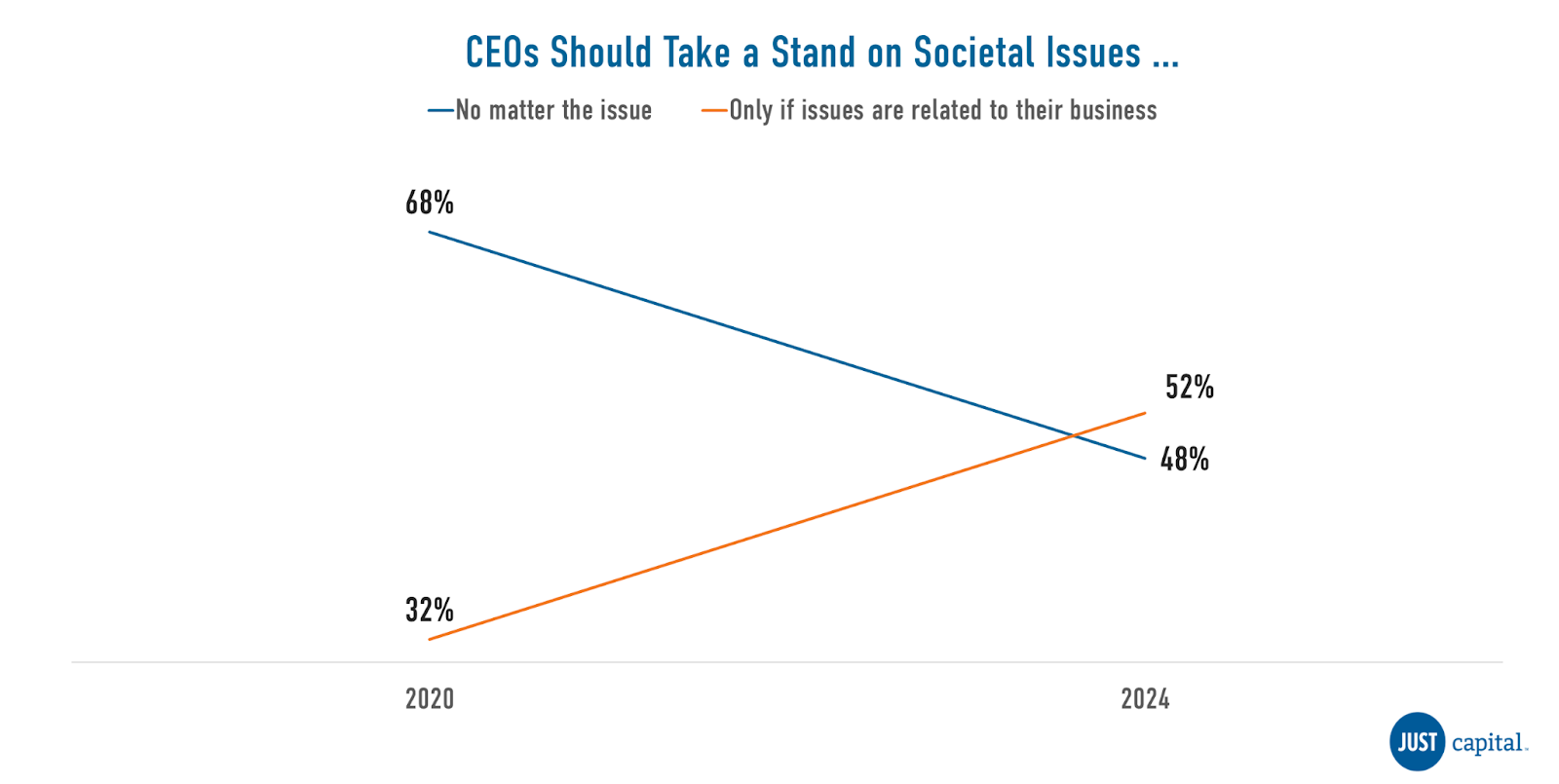
This chart comes from our 2024 Americans’ Views on Business report and shows the nuanced landscape CEOs must navigate. While the number of respondents who agree CEOs have a responsibility to take a stand on important societal issues has remained consistent around 60% since 2018, the type of stand has changed. In 2024, 52% responded that CEOs should focus on societal issues where impact dovetails with business performance compared to 32% in 2020. Explore the rest of the insights here.
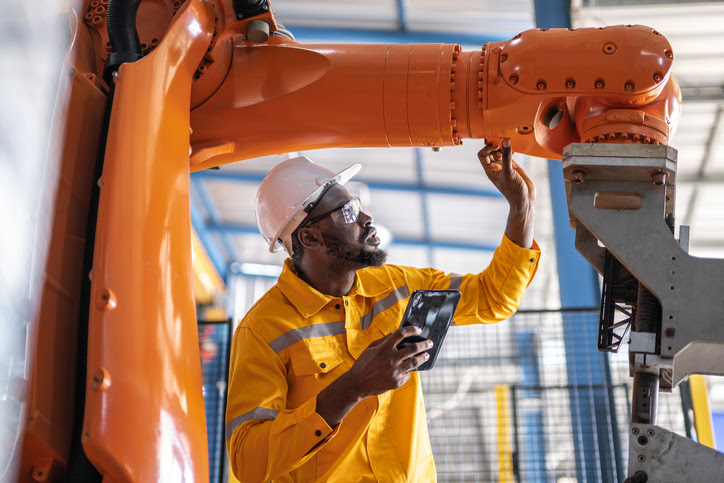
Just Board Member Xavier de Souza Briggs and his colleagues at Brookings Institution released a major new report on generative AI, the American worker and the future of work this week, alongside a TIME guest essay on how the AI revolution is poised to affect workers in the least unionized industries. Amongst other things, they find that more than 30% of all workers could see at least half of their occupation’s tasks disrupted by generative AI, and that the disruptions will be felt across “cognitive” and “nonroutine” tasks, especially in middle- to higher-paid professions.
What can business leaders do to prepare? The authors identify several options including fostering worker engagement in AI design and implementation, and elevating worker voice in mitigating harms such as job loss and inequality. It’s a thorough, insightful study that will help anyone trying to make sense of this increasingly complex and worrying issue.
Also this week, The U.S. Department of Labor released its AI best practices roadmap for developers and employers seeking to safeguard worker well-being. The wide-ranging guidance covers everything from the development of more responsible AI standards and governance structures to ensuring meaningful human oversight for significant employment decisions. Investing in employee training on AI and increasing transparency with workers about the use of AI at work are also important principles. For examples of how 3 JUST 100 companies – Accenture, ServiceNow and T-Mobile – are putting these principles into practice, see below.
Clearly, the scaffolding around which a just approach to deploying AI in the workplace is now being constructed. What’s also important, as noted at the WSJ’s recent CIO Network Summit, is the ROI for AI in business. Leveraging LLMs to boost productivity, grow revenue, improve the employee experience, create higher quality jobs, better serve customers, reduce waste and environmental impact, and improve transparency – things that also constitute just business behavior – are coming into sharper focus too.
Be well,
Martin
This week marks the release of The Competitive Advantage of the Win-Win Workplace, a collaboration between Future Forward Strategies, The Burning Glass Institute, and JUST Capital. The report introduces 9 key strategies for aligning employee well-being with business success, and includes real-world case studies from companies like Intel and Cigna. Get all the insights here.
JUST Board Member Xavier de Souza Briggs and his colleagues at The Brookings Institute released a new report on generative AI, the American worker and the future of work, with a TIME guest essay on how the AI revolution is poised to affect workers in the least unionized industries.
As Martin noted above, here are three examples of AI and worker well-being coming together at JUST 100 companies.
Fortune takes a look at why ESG assets continue to grow in investment despite recent pushback against them.
The Conversation examines the underpaid, overworked workforce supporting the AI explosion: data labellers who must review everything fed into an AI system to correctly define the type of information.
The Washington Post reports that Boeing is planning to layoff nearly 17,000 jobs (10% of its workforce) after losing nearly $25 billion in the last few years thanks to ongoing security and safety concerns, legal battles, and union strikes. Competitor Airbus also announced plans to lay off 2,500 jobs in its defense and space division.
The Times reports that BP has abandoned its target date to cut oil production after falling significantly behind.
Axios highlights an interesting piece of research – at the very top, the gender pay gap flips, and women CEOs actually make more than men. However, this is likely a matter of small sample size as women represent just 40 CEOs in the analyzed index.
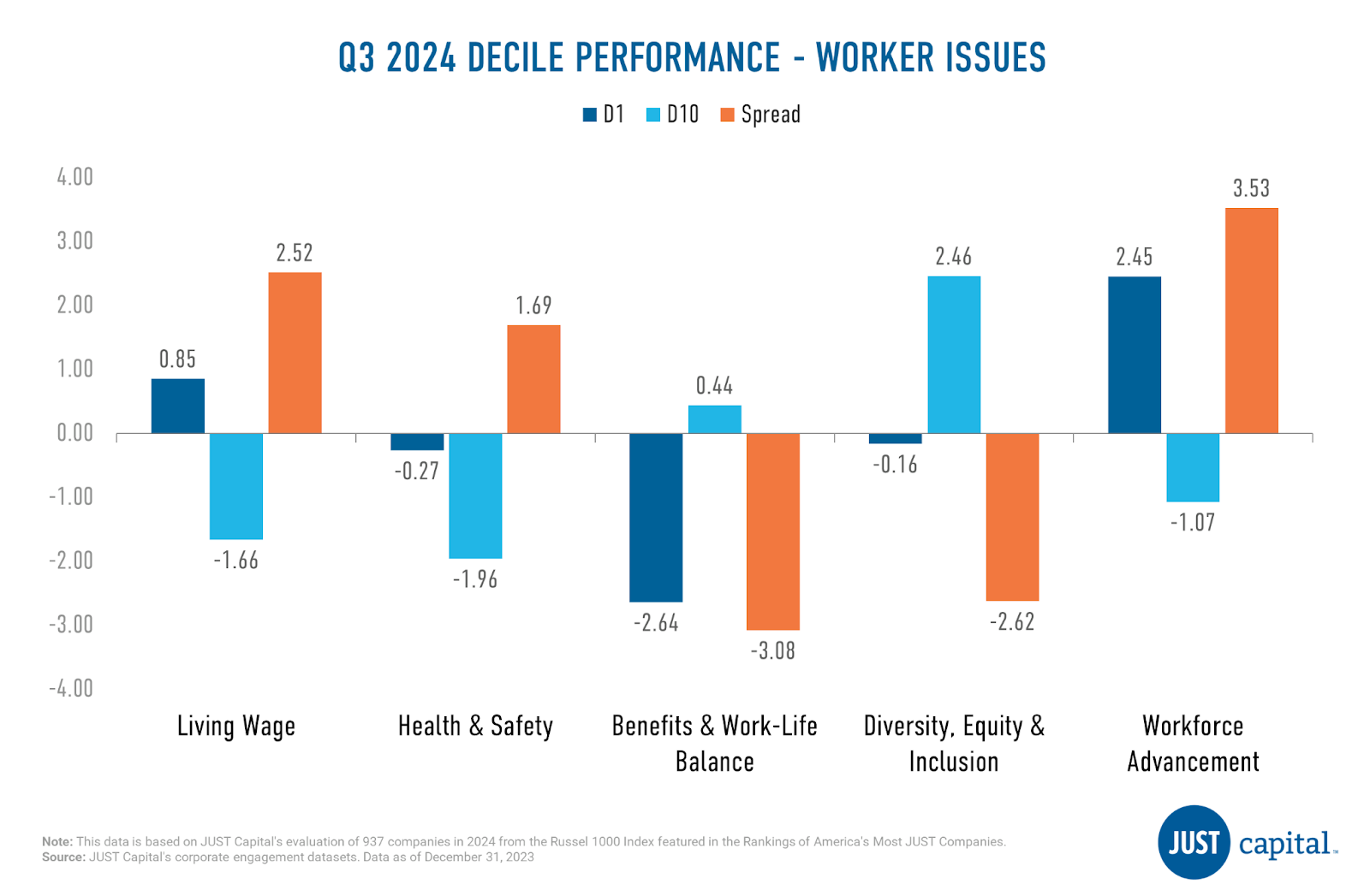
This chart comes from our review of Q3 Stakeholder Performance. Companies that lead in our Workers stakeholder delivered strong performance over this period (with a long-short spread of 1.17%). Year-to-date, our flagship JULCD index is outperforming its benchmark by 0.46% and the JUST 100 has significantly outperformed its benchmark by 7.38%. Explore the data here.

Another week, another devastating hurricane. Since we covered how certain companies are stepping up to help those affected last week, this week I thought we’d switch gears and highlight some important worker matters.
The new Employment Rights Bill in the UK places employee benefits firmly on the agenda in that country and, if passed into law, will presumably affect many of the companies we cover that do business there. The bill covers a range of issues – including sick pay, parental and bereavement leave, protections for pregnant women and new mothers, flexible scheduling, and more – that are increasingly embraced by corporations ranked highly in our worker category. Could it be a portent of things to come in the U.S.? Hard to say, but these are subjects that routinely show up in our polling as being important to the public.
An element of this that enjoys almost universal support is employee financial well-being. Here, we’re starting to see a lot of leadership. NiSource, Oneok, and M&T Bank are but three examples of companies taking explicit action on wealth building for their staff. One specific option being leveraged (albeit gradually) by certain large employers – including Walgreens, Chipotle, Verizon, and Abbott Labs – is the student loan 401(k) matching program made possible by the Secure Act 2.0. This Act enables employers to support their talent pipeline by helping young workers pay down their student debt by making retirement plan contributions, even if the employees themselves are not making contributions on their own. According to the Forbes Edge report, roughly 300,000 of Walgreens’ employees are being offered the program, including over half of the firm’s pharmacists.
Finally, our upcoming Q3 investor performance report underscores why all this should matter to investors. Companies that lead in our workers stakeholder delivered strong performance over this period (with a long-short spread of 1.17%), and year-to-date our flagship JULCD index is beating its benchmark by 0.46% and the JUST 100 is hammering its bogey by 7.38%.
Be well,
Martin

(Walmart)
“The first thing on our mind was, how do we secure the health and well-being of all of our associates? How do we safeguard the well-being of our associates? And then I will also say: How do we safeguard the well-being of any customer or member that’s coming in?”
The Washington Post reports that over a dozen states are suing TikTok, claiming that the app intentionally uses harmful, addictive features to hook young children onto the app.
McDonald’s is suing some of the America’s largest beef producers, claiming that companies like Tyson, JBS, and more colluded to fix prices, forcing companies to pay artificially high prices for meat. CNBC has the story.
NPR reveals that the U.S. had a stunningly high jobs report for the month of September. Examine the details here.
CNBC reports that the DOJ is considering breaking up Google as an antitrust remedy after they were found to be a monopoly.
Forbes examines the tangible benefits that good bosses to an organization and the productivity costs bad bosses incur on their companies.
The Deal looks at new research on executive ESG compensation to determine whether or not the fact that leadership nearly always hits ESG bonus goals is a product of focus or of setting easy hills to climb.
Bloomberg reports that Toyota is curbing its DEI policies after a coordinated social media campaign against the company.
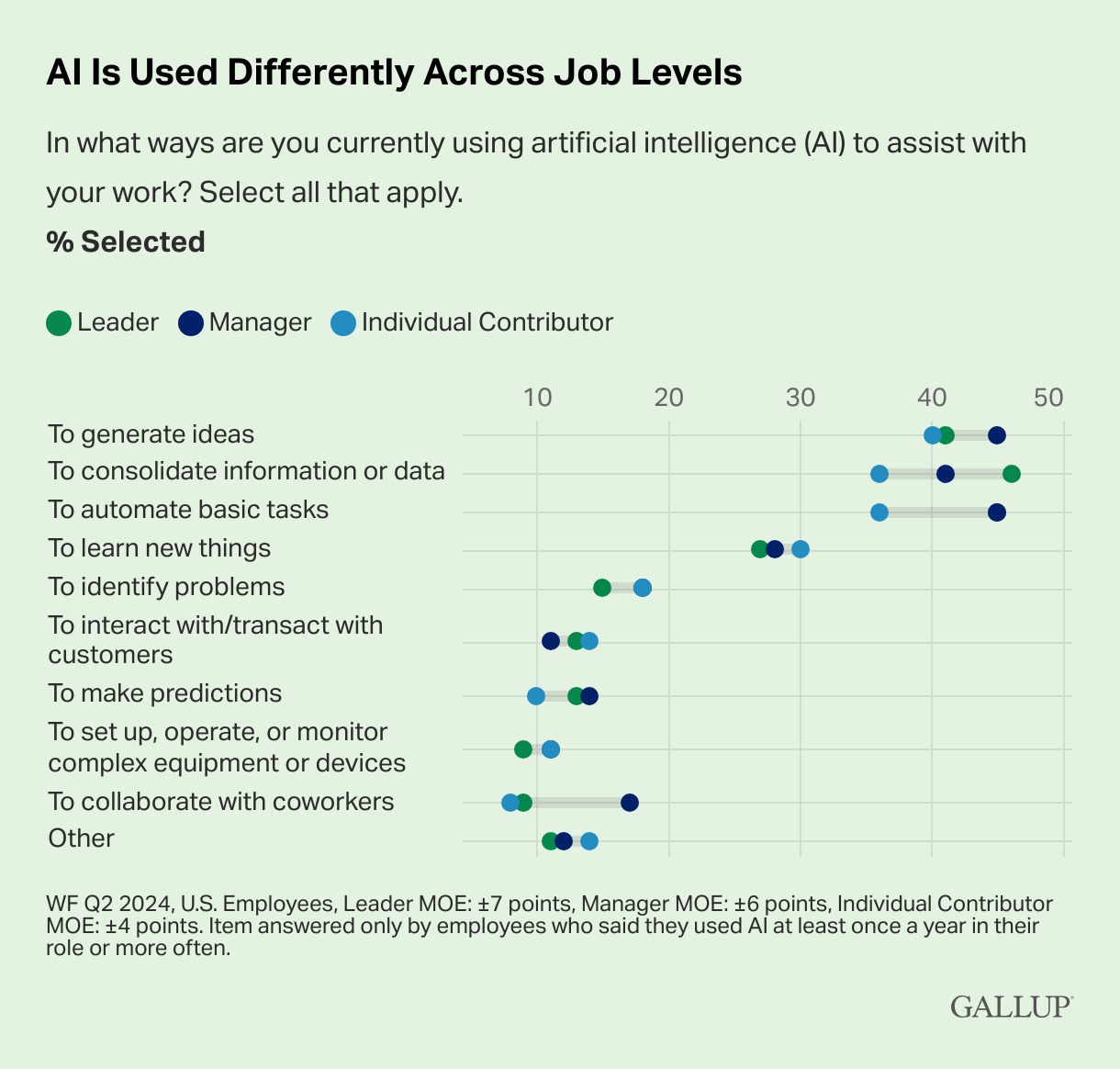
This chart comes from a recent Gallup deep-dive on corporate AI use, and shows what kinds of tasks employees at different levels are using the technology for, revealing that managers are adopting it at a much higher rate than their counterparts.

Moving the needle on corporate justness often requires a patient, deliberate, hands-on approach. This was evident recently, when the JUST team – in conjunction with the Gates Foundation and several partners – brought together 14 executives from big companies for a groundbreaking 4-day summit to advance workforce innovation and well-being.
Occasionally, though, external events compel companies to move swiftly to help their stakeholders, whether that means their employees, their customers, the communities they operate in, or society at large. Hurricane Helene is such an event.
It starts with financial support. Many companies we track – including Bank of America, Lockheed Martin, Wells Fargo, Truist, Target, and others – have made sizable donations to local charities, the American Red Cross, and other organizations to help provide essential needs and resources to those most affected.
Others also deploy their corporate capabilities. AirBnB, for example, is providing free temporary housing to displaced families. Amazon’s Disaster Relief and Response Team is leveraging the firm’s logistics, cloud computing and transportation assets to support organizations on the ground and to ensure critical help and supplies get to those in need. Walmart, Kroger, Home Depot, and Lowes, all of which have employees directly in harm’s way, are using their stores and warehouses as distribution centers for food, water, charging stations, generators, chainsaws, portable AC units, and more.
As the saying goes, crisis doesn’t create character, it reveals it. For many business leaders, Hurricane Helene has given them the chance to show what they’re made of.
Be well,
Martin
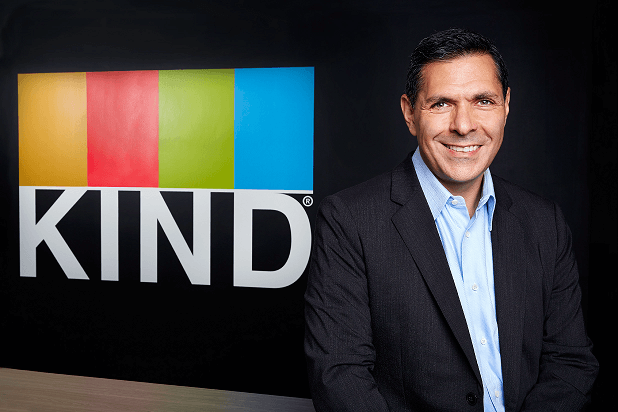
“I love trying to add purpose to the things I do because it gives me meaning. But I never advocate for people to insert purpose into their own businesses. It can end up as performative. A business can be a great social good on its own, and I don’t like adding gimmicky, fake missions. If you care about an issue, and you find a way to use market forces to channel that impact, it can do good. But often corporate communications departments are like, how do we add these as a feature? And it can be fake and doesn’t help.”
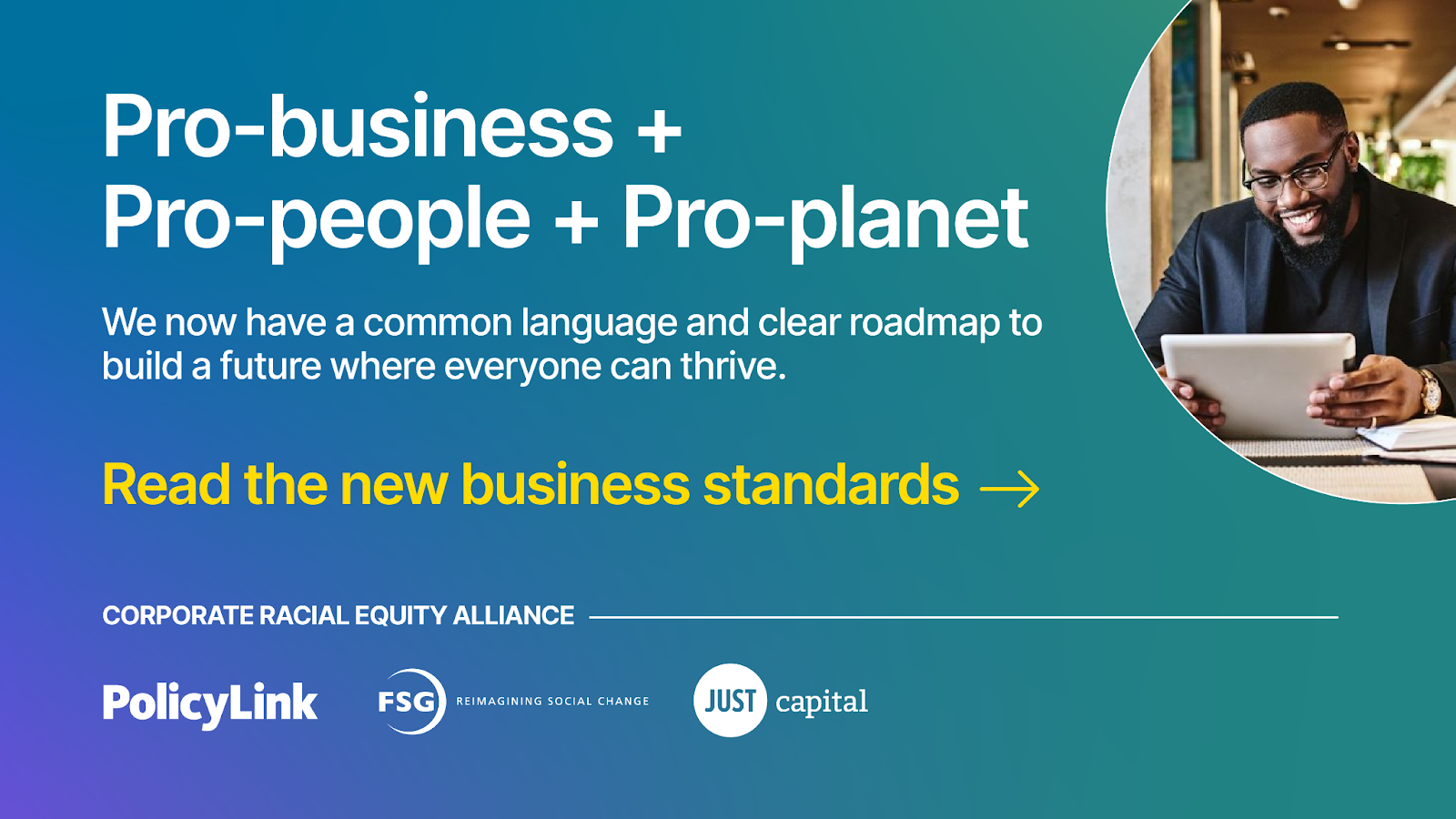
The Corporate Racial Equity Alliance, comprised of JUST Capital, PolicyLink, and FSG, have developed Business Standards for 21st Century Leadership to define business leadership that values people, planet, and the bottom line. Following our May 2024 release of draft standards 1-8, we have now released standards 9-14 for public feedback. The newly released draft standards focus on corporate impact on communities and society.
To lend your perspective on the topics of corporate impact on communities and society at large, please take our online survey by October 31. Stakeholder engagement in the development of these standards is key to our success. We hope you’ll join us and share your feedback.
It’s official: OpenAI is planning to become a for-profit business, causing several other executives to leave, and putting up more legal and logistical roadblocks. Mashable has the story. Meanwhile, Axios looks at some of the underlying causes of this shift.
Fortune reveals that shareholder proposals on diversity, pay equity, and plastic pollution got less support this season, but anti-ESG proposals also got less support. Learn more.
Board Member Peter Georgescu writes how, with a hollowing middle class, stakeholder capitalism is the best hope for a brighter future in his latest Forbes piece.
The Washington Post looks at the longshoreman strike, and the impact it could have on goods moving into the U.S.
The Wall Street Journal takes a look at the slow migration from salary-based pay to incentivized-bonus pay for many jobs, and how now, a majority of Americans work in positions where a chunk of their pay isn’t guaranteed.
Reuters examines the fallout that occurs when a Dollar Store closes in a low-income community.
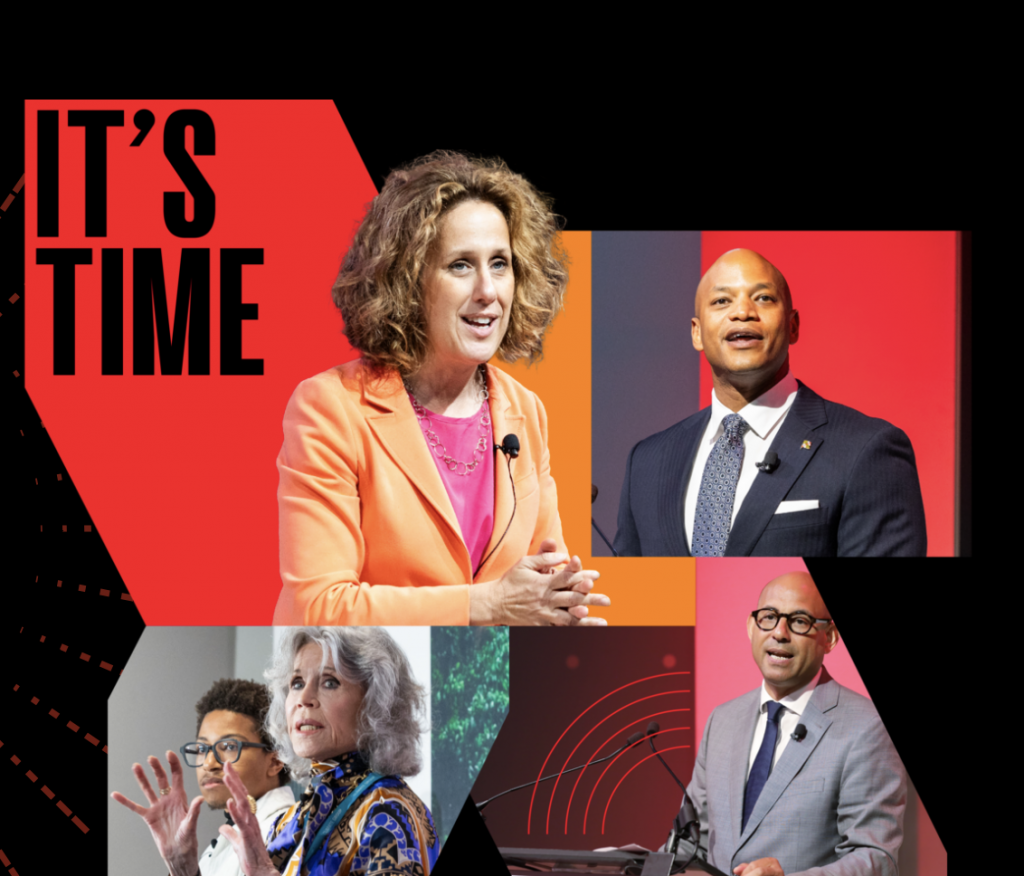
If you can make it around the barricades, past the acronyms, and beyond the countless cocktails and canapes, you realize Climate Week in New York City provides an opportunity to address some serious questions.
Are we actually on track to combat climate change? Who’s moving the needle? Who is holding everyone to account? And who, ultimately, will foot the bill for whatever future we have in store?
There’s certainly a lot of capital flowing into the climate space. According to CREO Syndicate, a nonprofit organization on whose board I serve, “Annual global climate finance flows doubled from 2020 to 2022, reaching $1.4 trillion or 1% of global GDP, but will need to increase sixfold to average $8.6 trillion through 2030, and $10.7 trillion through 2050, to reach net zero.” Whether all of this investment will generate a market rate of return (or mitigate greenhouse gas emissions for that matter) remains to be seen, but compared to, say, a decade ago, these numbers are impressive.
There’s also a lot of business action on the issue. As our list of Top 10 Companies for the Environment shows, companies like Hewlett Packard Enterprise, McCormick and Co, Accenture, and Trane are supplying the world with advanced climate solutions that tie directly back to market performance and profitability. This week’s announcement by Microsoft (another JUST 100 leader) that it will use the Three Mile Island nuclear facility to supply the emissions-free power it needs to grow brings home how seriously companies are taking their climate commitments and how complex the path forward really is.
Where is the public – as consumers, as taxpayers, as voters – on all this? I’d say it’s a mixed bag. Despite what many of the international visitors I talked to this week think, Americans do care about the climate. But as our polling shows, it’s hard to prioritize it when you’re struggling to make ends meet. For millions around the world, a changing climate threatens their livelihoods, their communities, their futures. Yet many feel similarly threatened by some of the policies proposed to address the issue. Getting to grips with these realities is essential. In the meantime, it’s the private sector that will continue to lead.
Be well,
Martin
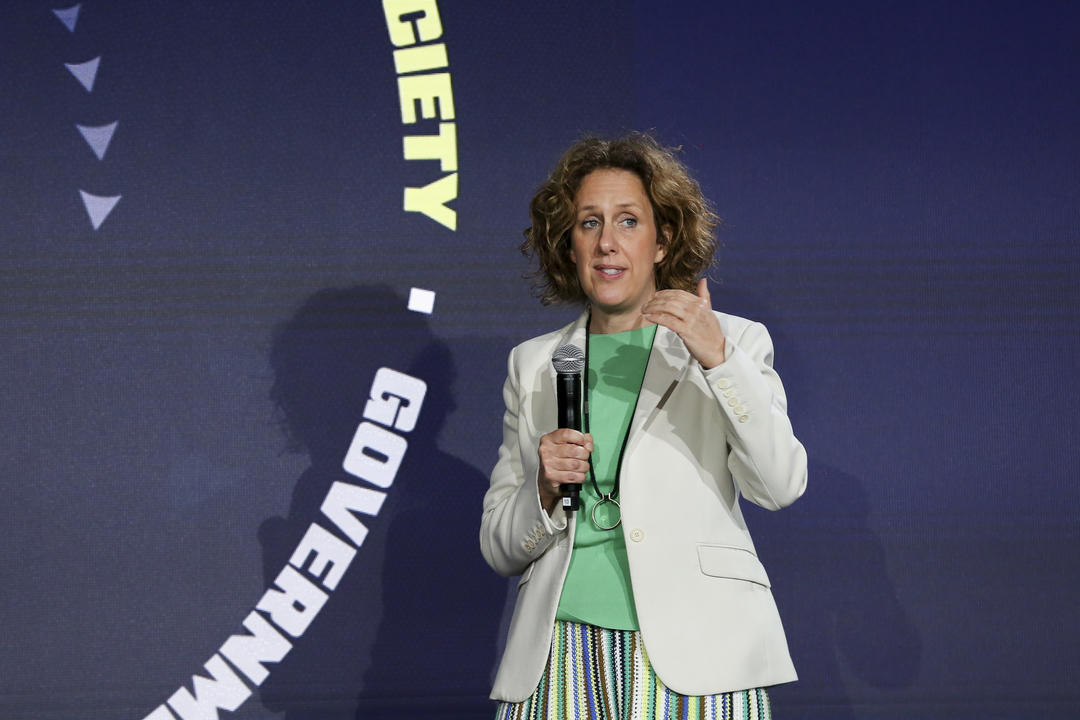
“We only have one environment and we must protect it. The planet will adapt without us – we are not as important as we think we are.”
California kicked-off climate week by launching the first-of-its-kind lawsuit against ExxonMobil for its alleged role in the plastic pollution crisis. The Guardian has the story.
Bloomberg takes a deep-dive into how corporations have lost or regained Americans’ trust, as part of an ongoing series on lack of faith in institutions.
Forbes predicts that average salary increases are going to decline next year. Explore why.
Fast Company explains why corporate America’s retreat from DEI is shortsighted, and Retail Dive highlights the leading DEI programs that serve business goals.
Bloomberg looks at the immense pay package garnered by ousted Nike CEO John Danahoe, and whether it was a just amount for a man who presided over the company losing over $40 billion in market value.
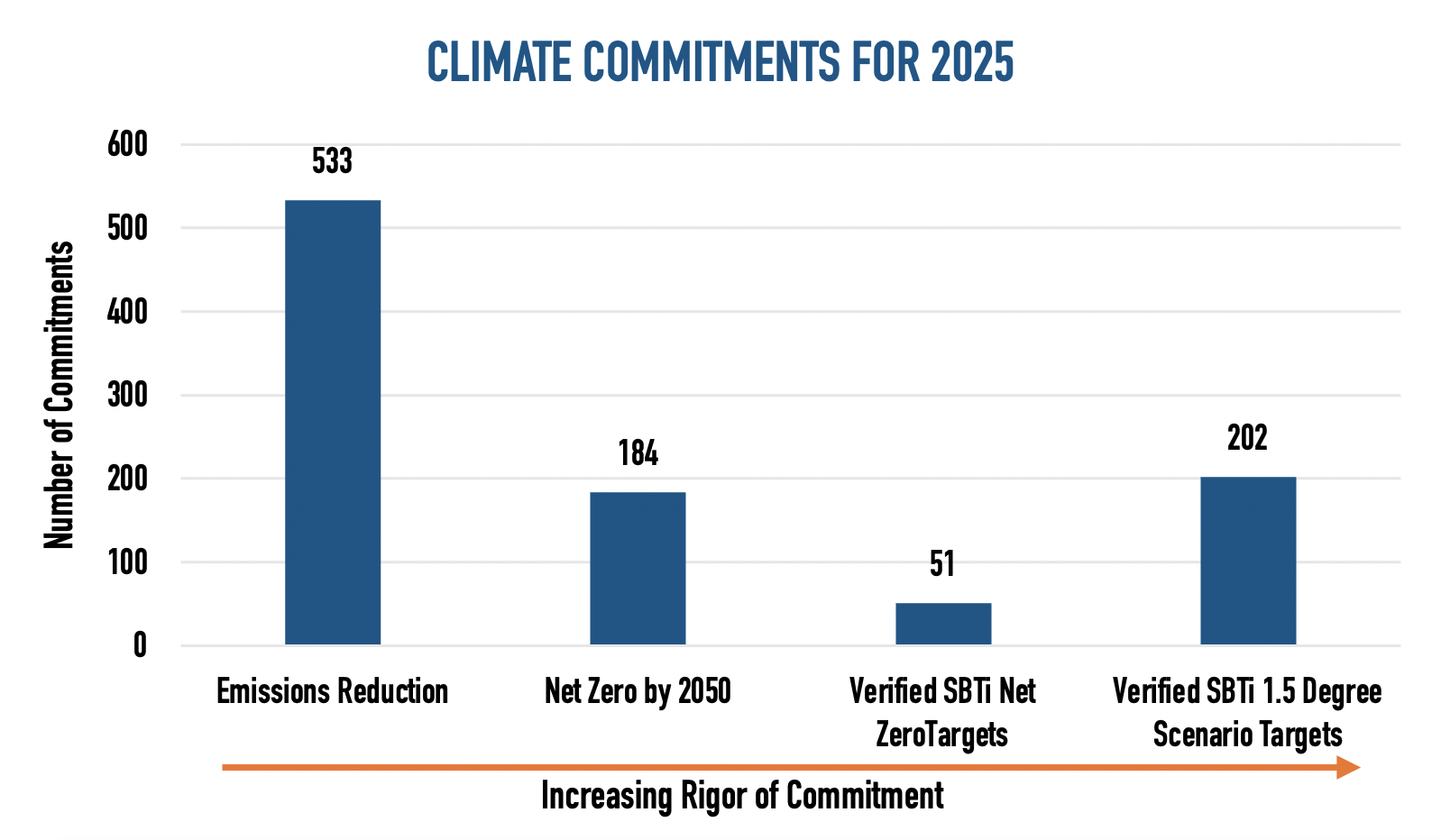
For climate week, we analyzed preliminary 2025 data on climate commitments, showing what level of disclosure and commitment Russell 1000 companies are providing, which will factor into our 2025 Rankings. So far, we are seeing a remarkable increase on SBTi scenario commitments compared to last year’s data.
